1 in 10 students use AI to cheat, Cornell-led study finds
Cornell and UC Berkeley researchers analysed 95,000 students across 20 US universities, finding AI misuse threatens credential credibility

Published in the journal Science, the research was led by Rene Kizilcec, associate professor of information science at Cornell University, alongside colleagues including Igor Chirikov of the University of California, Berkeley.
They discovered that one out of three students used tools such as ChatGPT to create text, video, or code for their assignments. Out of this number, 9 percent engaged in academic dishonesty.
"The fact that students are misusing GenAI is a problem for assessment validity, and that's a problem for the credibility of university credentials," he said. If the assessments do not measure up to the actual knowledge of the students anymore, the diplomas that they obtain based on them would be questionable for the whole educational institution in question.
"I even think that this early data indicates that we have an extremely serious issue to handle, and universities should react to that situation accordingly," Chirikov agreed.
Approximately 60% of computer science students used AI monthly, while for arts students the number was around 25%. Surprisingly enough, however, STEM students had fewer chances of using AI cheating.
Arts and humanities majors had relatively higher rates of misuse, even though they had relatively lower adoption rates. This suggests that the correlation between familiarity and academic integrity is not entirely clear-cut.
According to Chirikov, "Given that we expect GenAI use by students to continue to increase, for good and for bad, we also expect GenAI misuse to increase, which is worrisome."
He explained that the study was carried out to develop an empirical basis, rather than working with anecdotes.



-
 Apple speeds up software updates amid AI-driven cybersecurity threats
 -
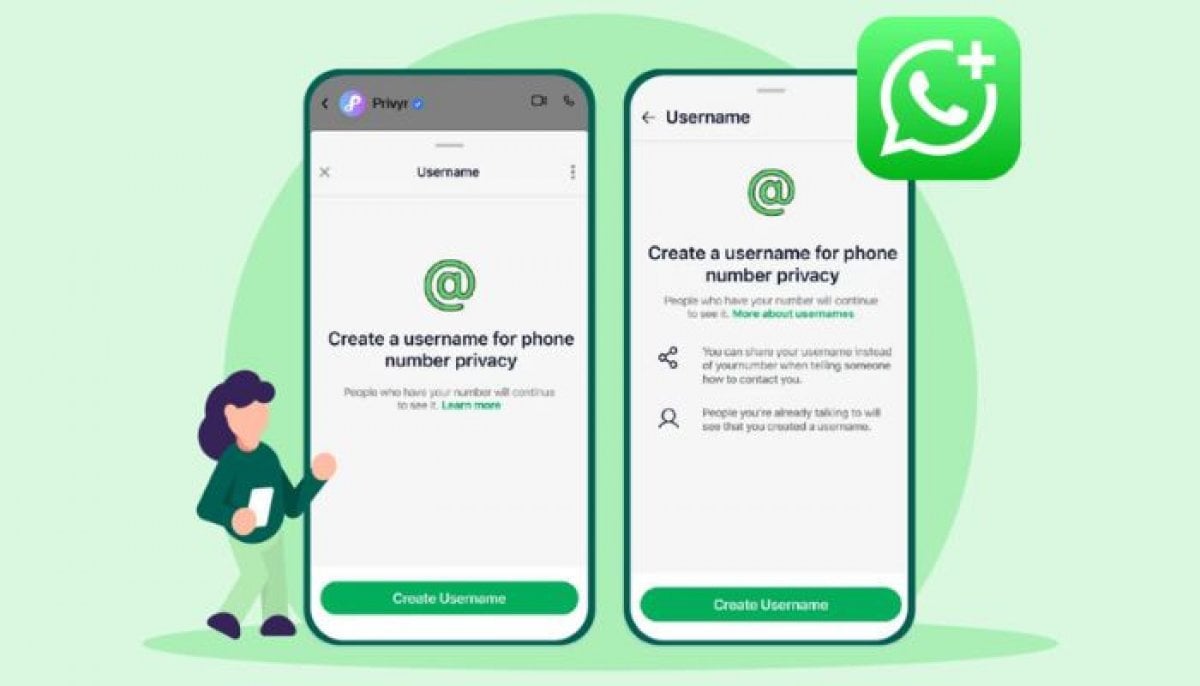 WhatsApp will now let you chat without sharing your phone number
 -
 Trillionaire Elon Musk celebrates birthday with rocket-themed cake
 -
 Breaking: Is Minecraft down? Several users report outages
 -
 Europe's heatwave puts AI data centres under pressure
 -
 US plans to build world's first fault-tolerant quantum computer: Check details
 -
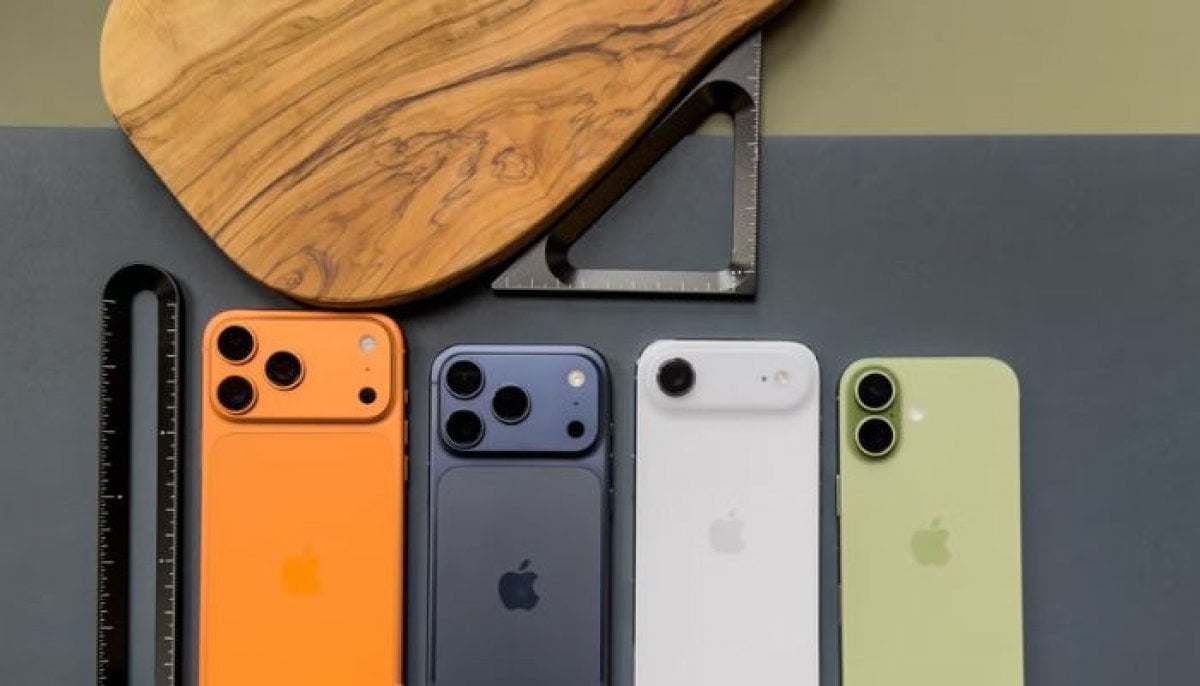 Base iPhone 18 likely to feature 9GB RAM, leak suggests
 -
 South Korea plans massive $576bn AI-chip bet to challenge global rivals