Florida mass shooting: Victim family sues OpenAI in US court over alleged role in incident
OpenAI's lawsuit alleges ChatGPT helped shooter plan 2025 Florida State University attack, while OpenAI denies wrongdoing and says it cooperated with law enforcement
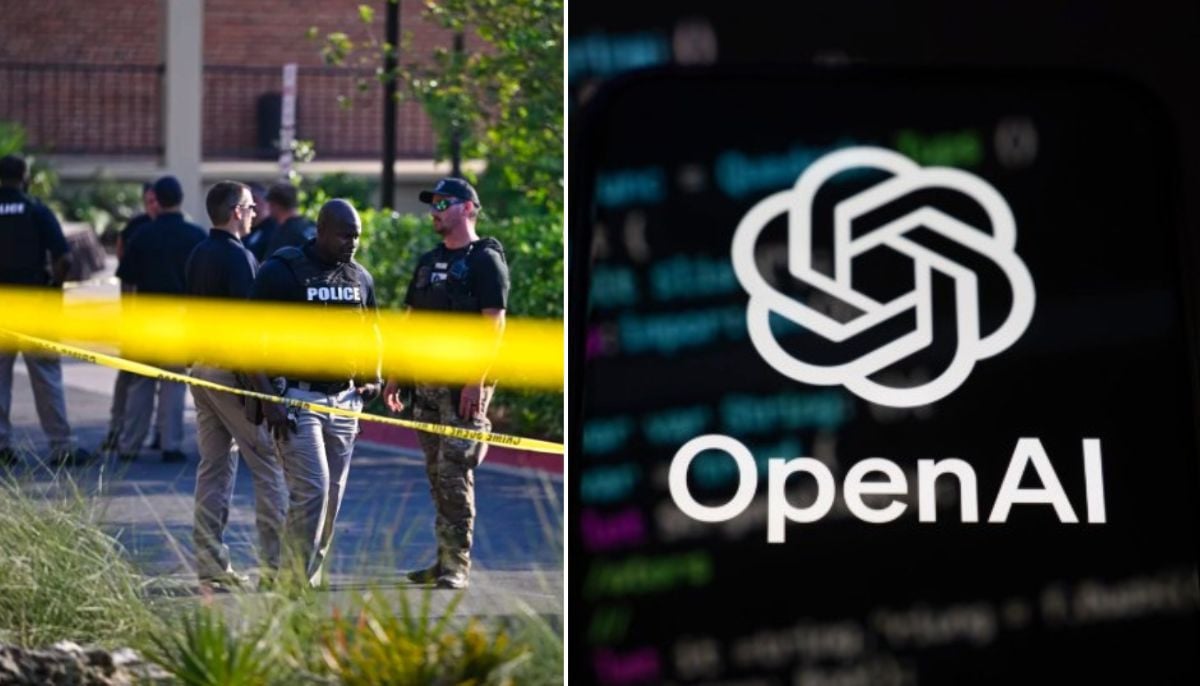
A Florida family sued OpenAI for allegedly supporting a shooting incident, due to which they lost a family member.
The family of a man killed in a 2025 mass shooting at Florida State University has filed a lawsuit against OpenAI in a U.S. court, claiming the shooter was aided by ChatGPT in planning the attack.
The family of Tiru Chabba filed the lawsuit on Sunday in Florida federal court against the company and the man charged in the shooting, Phoenix Ikner.
It is at least the second lawsuit filed in the U.S. accusing OpenAI of facilitating a mass shooting.
The lawsuit claims ChatGPT served as a co-conspirator in the shooting because Ikner planned and carried it out using information provided by ChatGPT in conversations in the preceding months.
Despite conversations about mass shootings, the lethality of Ikner’s weapons and when the FSU student union was busiest, the chatbot did not flag or escalate the conversations, the lawsuit claims.
The lawsuit seeks compensatory and punitive damages and accuses OpenAI of designing a defective product and failing to warn the public about its risks.
"Last year's mass shooting at Florida State University was a tragedy, but ChatGPT is not responsible for this terrible crime," OpenAI spokesperson Drew Pusateri said in a statement.
"In this case, ChatGPT provided factual responses to questions with information that could be found broadly across public sources on the internet, and it did not encourage or promote illegal or harmful activity."
Pusateri said the company identified an account believed to be associated with the suspect after the shooting and proactively shared it with law enforcement.
The company continues to cooperate with law enforcement and is continuously working to improve detection of harmful intent, he said.
Ikner, a deputy sheriff's son, killed two people and wounded four others at the school in Tallahassee, Florida, before he was shot by officers and hospitalized, authorities said.
He faces two counts of first-degree murder and seven counts of attempted first-degree murder, according to court records.
Florida Attorney General James Uthmeier announced in April that he was launching a criminal investigation into ChatGPT's role in the FSU shooting after prosecutors reviewed the chat logs between Ikner and the program.
OpenAI has said it trains its models to refuse requests that could "meaningfully enable violence," and notifies law enforcement when conversations suggest "an imminent and credible risk of harm to others," with mental health experts helping assess borderline cases.
Notably, AI companies are facing a growing wave of lawsuits accusing them of failing to prevent chatbot interactions that plaintiffs say contribute to self-harm, mental illness and violence.
Last month, family members of victims of one of Canada's deadliest mass shootings filed a group of lawsuits against OpenAI and CEO Sam Altman, alleging the company knew eight months before the attack that the shooter was planning it on ChatGPT but did not warn police.


-
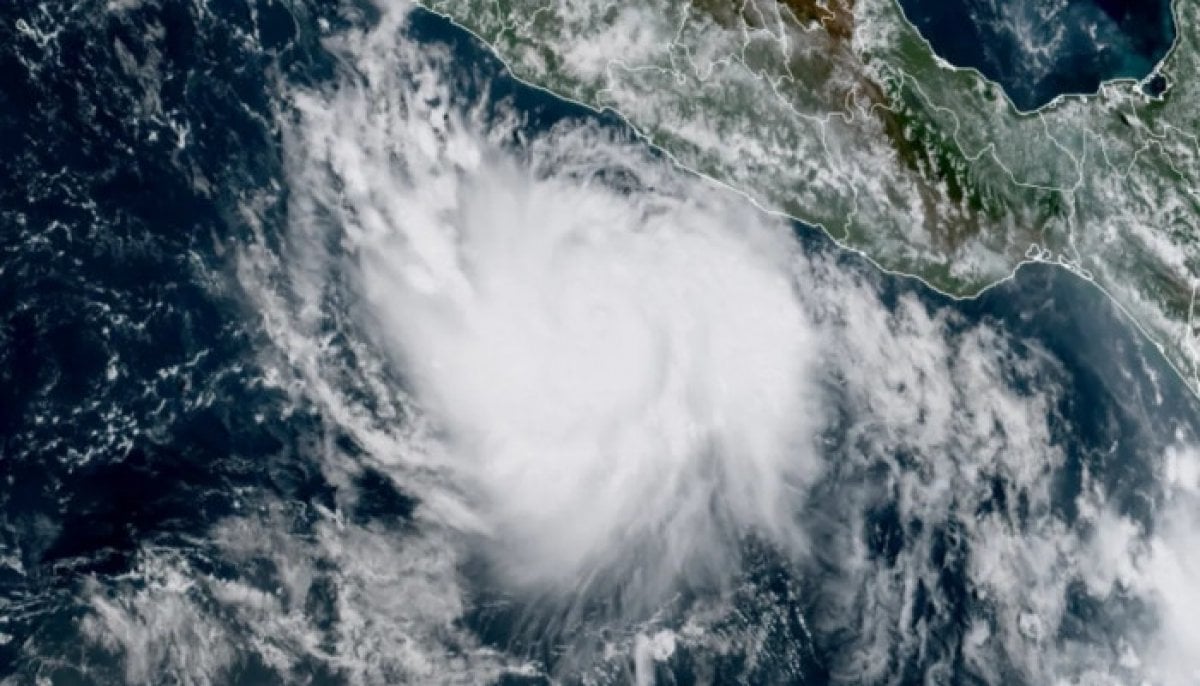 Mexico on alert as Hurricane Polo reaches Category 5 strength
 -
 Tucson police arrest five teens after stolen car incident and recover replica handgun
 -
 Net zero may not end climate inequality for poorer nations, research warns
 -
 Kamala Harris rallies behind progressive Abdul El-Sayed in Michigan Senate battle
 -
 Republican senator calls for investigation into Trump family business dealings: What to know
 -
 Trump insists US weapons stockpile remains strong despite Iran war concerns
 -
 UK PM Andy Burnham refuses to rule out EU rejoin pledge in next Labour manifesto
 -
 US F-16 reportedly crashes near American air base in Germany