Saudi refusal to support 'Project Freedom' forced Trump to halt Hormuz operation
Saudi rejected requests to use Prince Sultan airbase, despite a phone call between Trump and Crown Prince Mohammed bin Salman
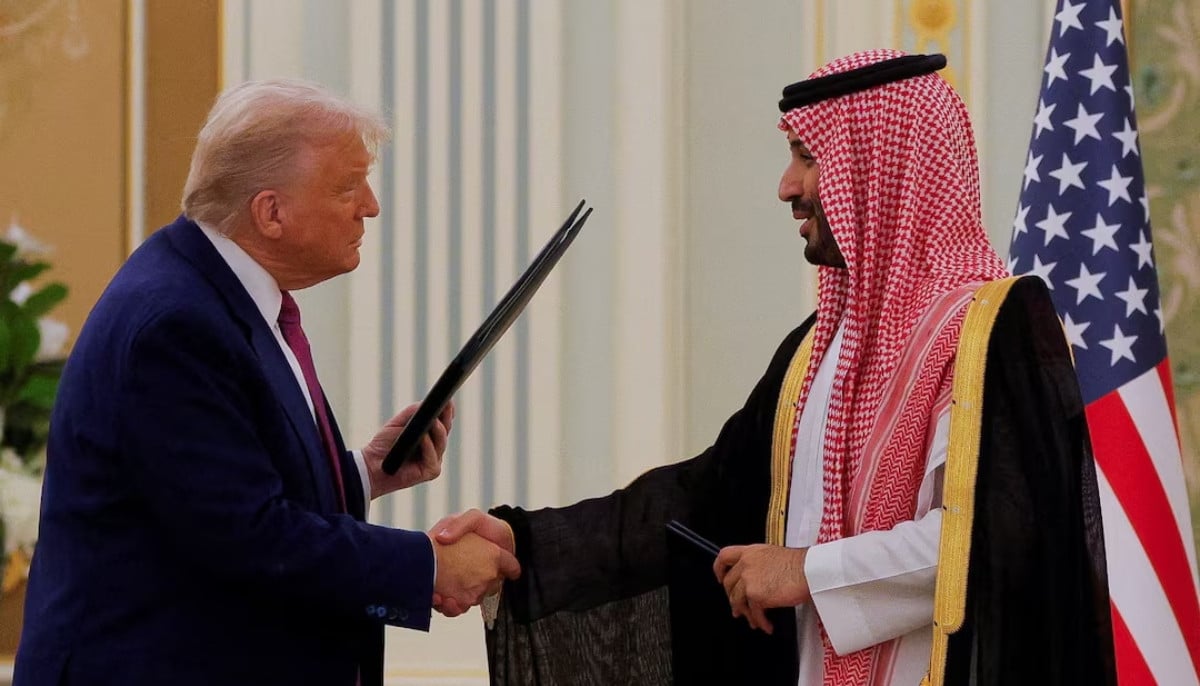
Saudi Arabia’s refusal to allow the United States to use its airspace and military bases reportedly played a major role in President Donald Trump’s decision to suspend Project Freedom, a new report has revealed.
According to NBC, Riyadh rejected requests to use Prince Sultan airbase for the mission, despite a personal phone call between Trump and Crown Prince Mohammed bin Salman.
The operation had been introduced as a follow-up to the US bombing campaign known as Operation Epic Fury.
It aimed to escort oil tankers through the Strait of Hormuz as tensions with Iran continued.
Saudi Arabia reportedly feared the operation could trigger a wider military confrontation with Tehran and further destabilise the Gulf region.
Iran had warned it would view US naval escorts and attacks on Iranian shipping as violations of the ceasefire.
Trump later announced the operation would be paused, saying “great progress” had been made towards a possible agreement with Iran.
The US president did not mention Saudi objections when explaining the decision.
The report highlights growing divisions among Gulf states over the conflict.
Saudi Arabia has pushed for a permanent end to the war, while the United Arab Emirates has taken a more aggressive position against Iran.


-
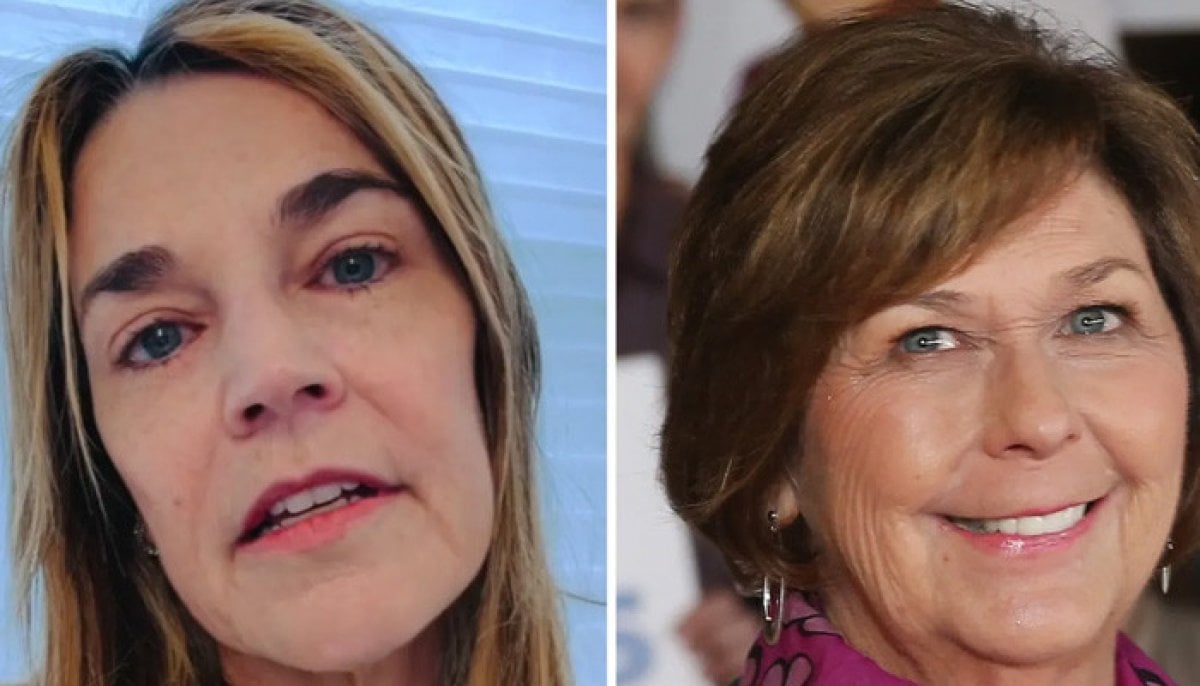 Savannah Guthrie refers to Nancy in past tense, crime junkie reporter notes
 -
 Bayeux Tapestry goes on display at British Museum after nearly 1,000 years
 -
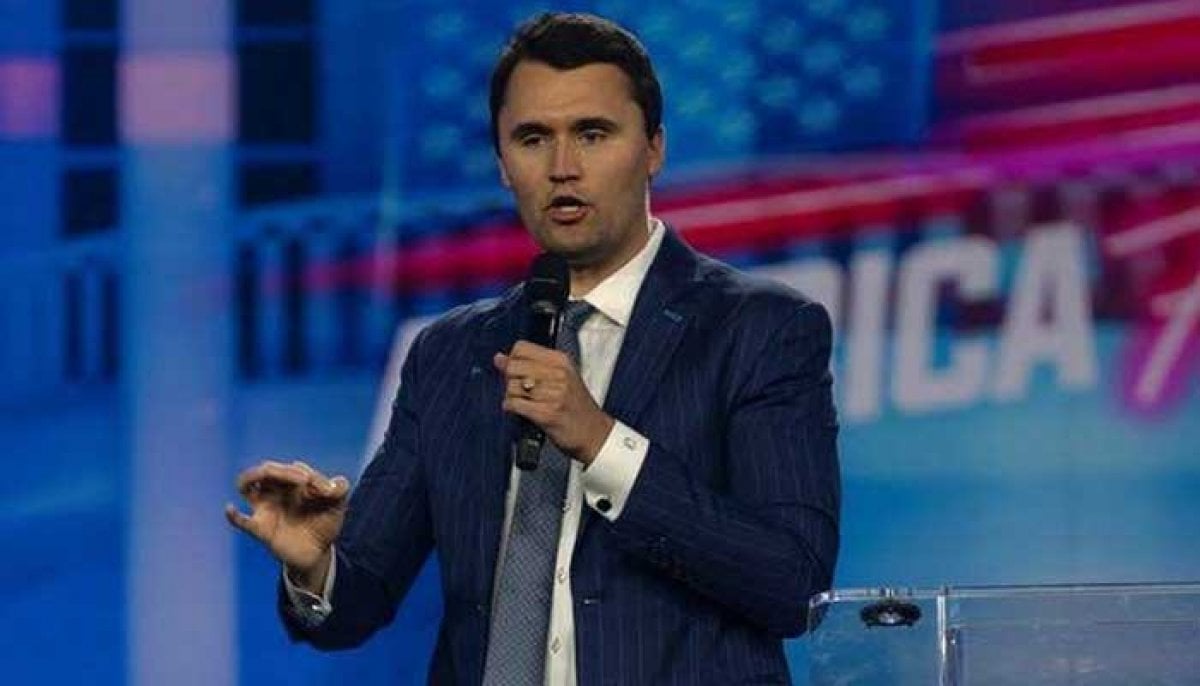 White House pays tribute to Charlie Kirk on death anniversary
 -
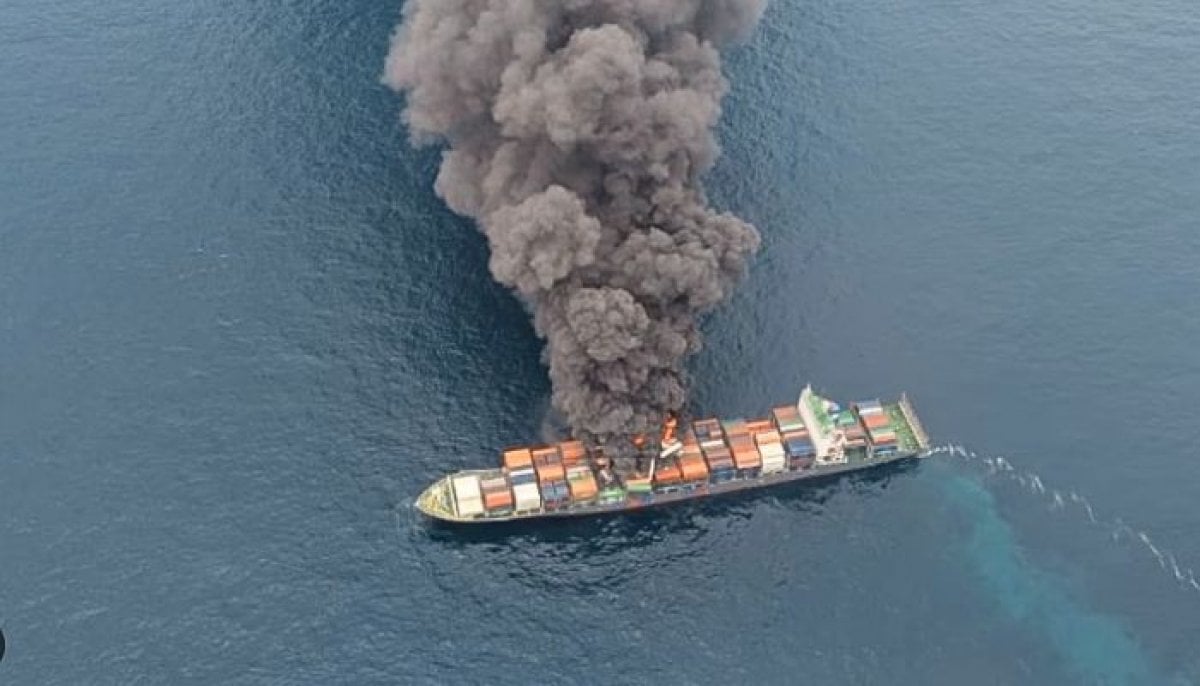 At least 20 dead, 5 missing following cargo ship fire at Eastern China shipyard
 -
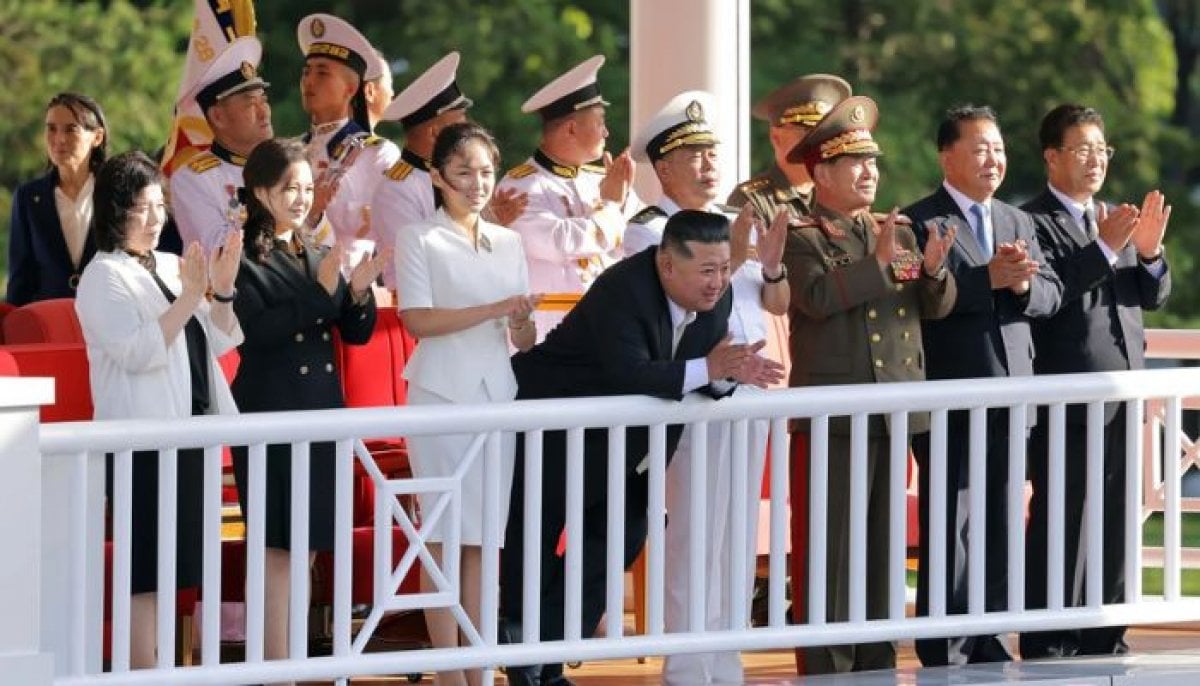 Does Kim Jong Un have a son? South Korea spy agency seeks answers
 -
 EU cybersecurity agency granted access to Anthropic's Mythos 5 model for testing
 -
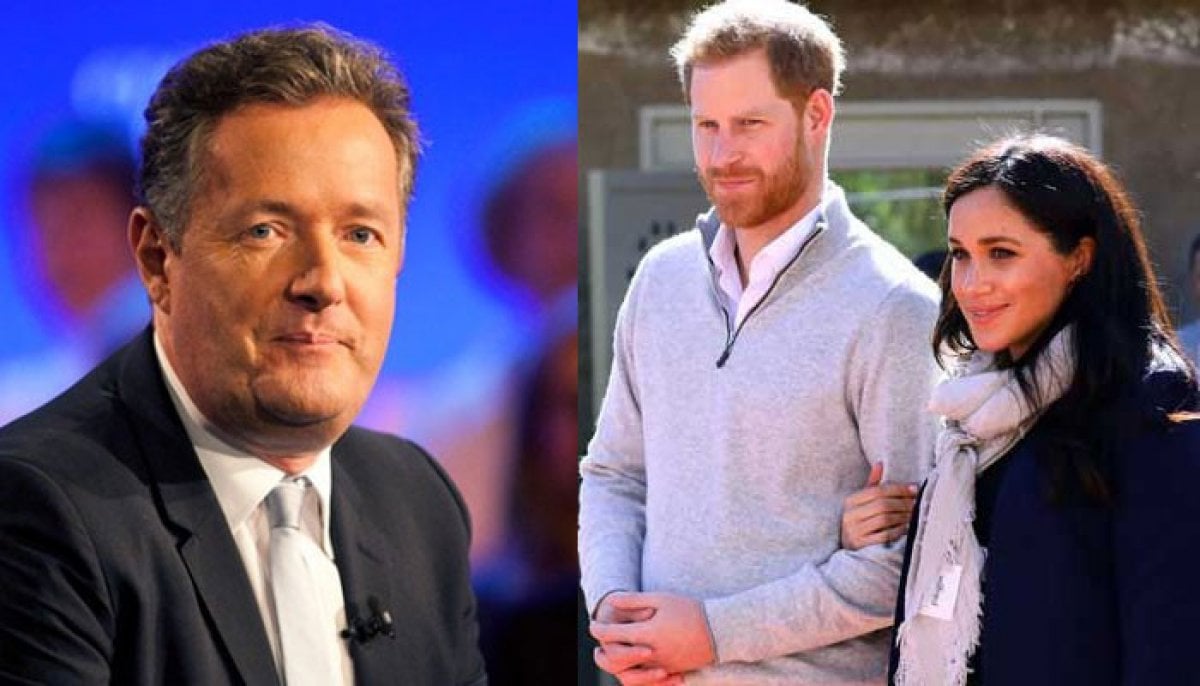 Piers Morgan says he prefers to call Meghan Markle, Prince Harry 'grifters'
 -
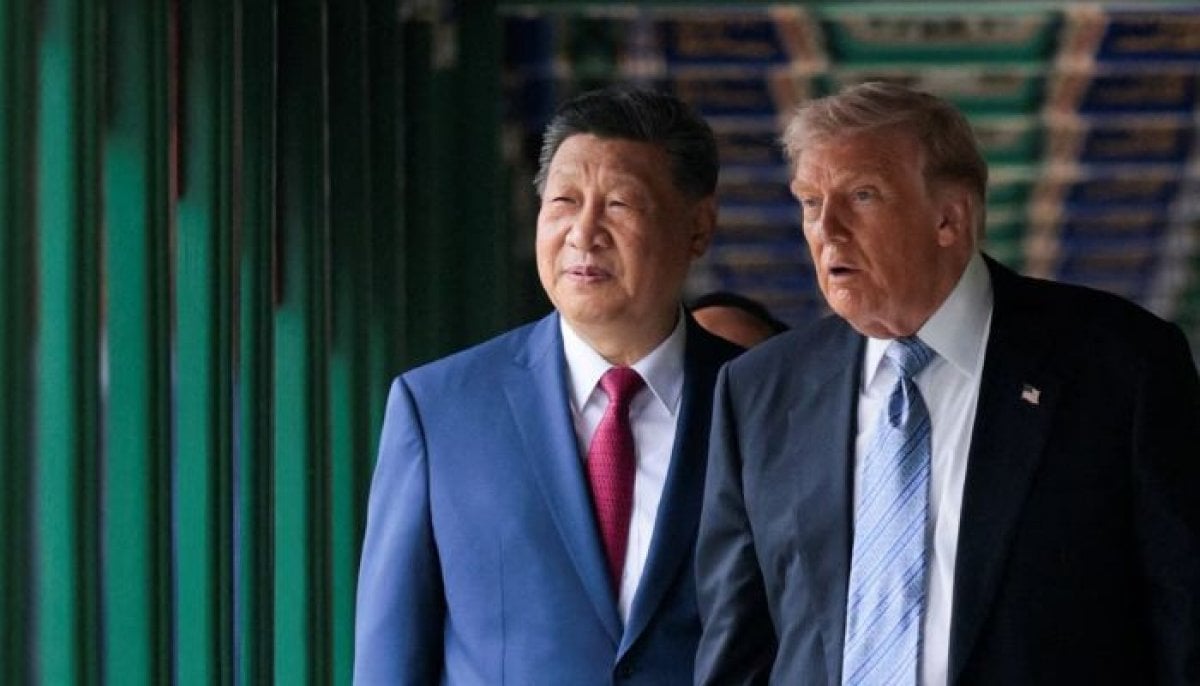 China seeks US tariff cuts ahead of Trump-Xi summit
-
 Nancy Guthrie update: Forensic expert hits out at Arizona officials, echoing FBI criticism
 -
South Korea nears $100 billion US energy deal: What to know
-
Japan vows firm stance on abduction issue at potential N. Korea summit
-
Patrick Clancy's decision to forgive ex-wife Lindsay 'spoke volumes' about him