OpenAI president testifies on Elon Musk’s $80 billion Mars colonization plan
Elon Musk is seeking $150 billion in damages
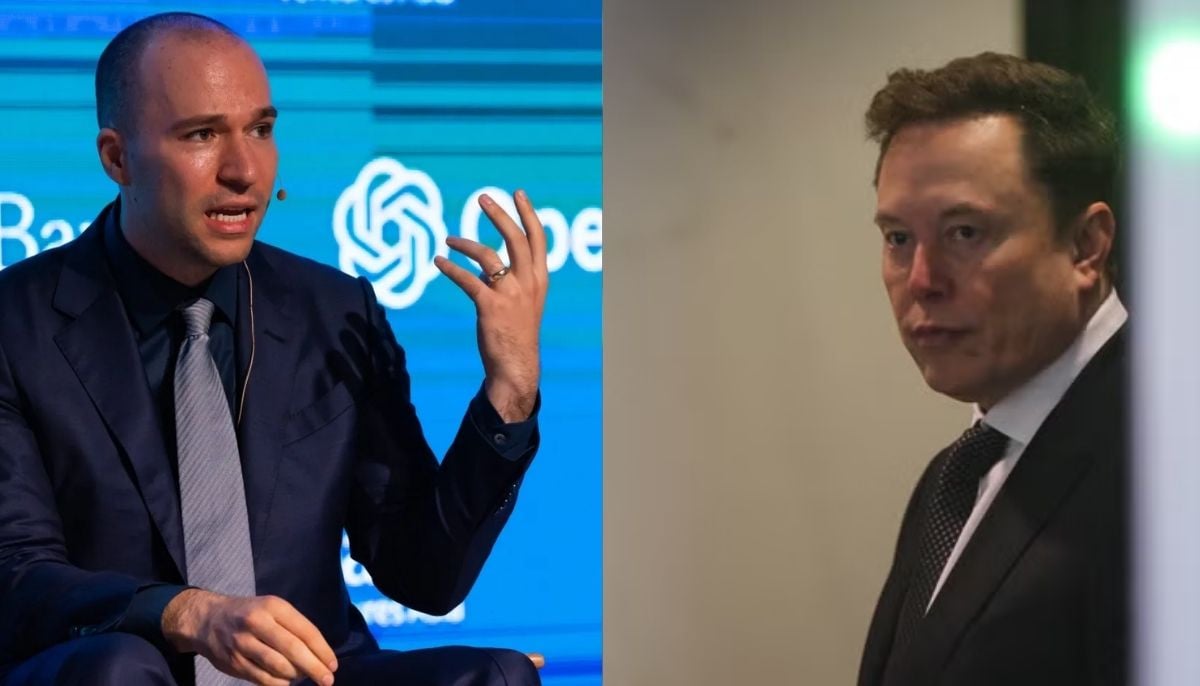
The OpenAI vs Elon Musk trial in California took another dramatic turn when ChatGPT maker company’s president testified on Tuesday about Musk’s ambitious plan to fully colonize Mars.
According to Greg Brockman, the founder of SpaceX not only supported shifting the AI startup to a for-profit model but also insisted on maintaining total control over it.
He testified in the court that Musk’s primary motivation for the restructuring was to secure $80 billion funding to advance his long-term mission of colonizing Mars.
The testimony, which came in the second week of trial, suggests that Musk was interested in pursuing aerospace ambitions based on the massive commercial success of OpenAI.
"He said he needed $80 billion to create a city on Mars. In the end, he needed full control,” Brockman said.
Brockman also added that Musk said he would be empowered to decide when to relinquish full control.
Brockman further talked about the intense meeting that occurred between Musk and OpenAI’s tech moguls. In this meeting, Musk not only demanded a major stake in OpenAI along with corporate restructuring on the grounds of his business expertise but also expressed his motive to use “stake to build a self-sustaining city on Mars.”
In the case of resistance, Musk grew angry when his expectations related to equity structures were not met and he declined it. According to Brockman, he was even worried that out of anger Musk might hit him.
In the high-stakes trial, Musk accused OpenAI of defrauding while tricking him into giving $38 million to the non-profit. In reality, Sam Altman used the company for profit purposes.
Now, the founder of xAI is seeking $150 billion in damages , and for Altman and Brockman to be removed from their leadership roles.
All hopes are hinged on this trial as the verdict could decide the legal and operational future of OpenAI, which became popular soon after launching its AI tool ChatGPT in 2022.


-
 US orders immediate removal of DeepSeek AI from federal systems over national security risks
 -
 Microsoft employee reveals 'truth' about AI at Xbox amid gaming industry backlash
 -
 Your phone may have malware: Here’s how you can check
 -
 Anthropic pledges 5% of shares to new public benefit fund ahead of IPO to shape AI goals
 -
 Google Messages live location may soon show traffic jams
 -
 Can Europe wean itself off US rockets? Creotech CEO weighs in
 -
 Apple's iPhone Duo launch strategy was 'major mistake', Bloomberg’s Gurman says
 -
 WhatsApp tests new iPhone browser to open links inside app