How Sam Altman manages OpenAI: 'A few hundred' daily messages
OpenAI CEO calls himself ‘not a hands-on manager’ yet fires off hundreds of direct messages daily across texts, Slack, and more
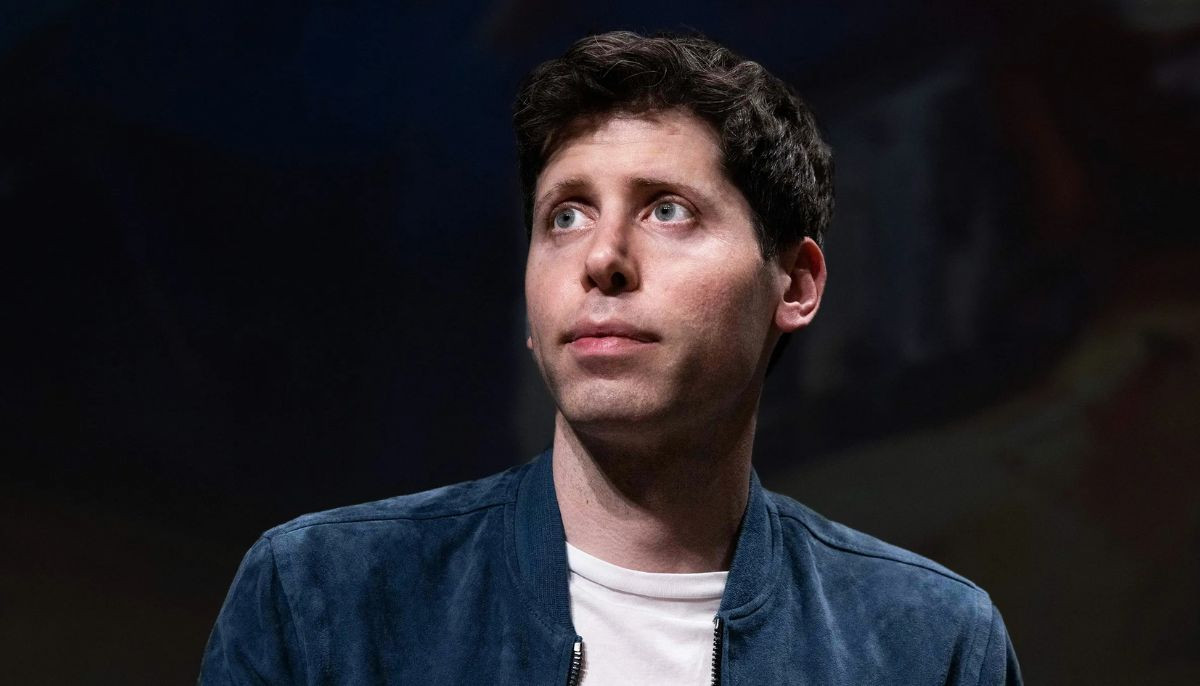
Sam Altman messages "a few hundred" OpenAI employees every day. Across texts, Slack, and other platforms, that adds up to roughly 39,000 messages a year on a five-day working week none of them, he insists, sent by an AI agent. For a CEO who describes his management style as decidedly hands-off, it's a revealing contradiction.
Speaking with Stripe CEO Patrick Collison at the company's Stripe Sessions event, Altman described the habit as genuinely useful rather than performative. "Very quick, like one, two messages, whatever," he said. "The context I get from that sometimes is very helpful in these diffuse ways."
The picture he paints is of a CEO who stays connected through volume rather than depth short, frequent contact with a wide slice of the organisation rather than extended one-on-ones with a tight inner circle. He is also, by his own admission, doing all of it himself.
Altman's relationship with Slack is textbook ambivalence. He told Collison he hates the platform but cannot picture communicating any other way. "I can't imagine having to still communicate via email or whatever we used to do," he said.
His broader management philosophy is built around delegation at the top level: hire exceptional people, give them a high-level direction, and let them execute. "I'm very much of this style that you get great people, kind of give them a very high-level thing to point at and try to let stuff just happen," he said. The daily message blitz, in his framing, is less about oversight and more about staying calibrated.
The more substantive thread running through Altman's Stripe Sessions appearance was his characterisation of where OpenAI is heading. He described the company as entering a third phase, from research lab pursuing AGI, to consumer product company, to what he called a "mega, mega scale token factory for the world."
He was candid about what that transition will demand. "The thing that I didn't really appreciate between the phase one, phase two shift was how much my management style had to change," he said. "Running a research lab and running a product company are two extremely different things."
He expects the third shift to be just as disruptive and isn't certain his instincts are the right fit for it saying “I either have to find someone or a few people great to hire, or I have to figure out how to do things in a different way, or I have to build an AI that can manage this new thing," he said.



-
 Apple speeds up software updates amid AI-driven cybersecurity threats
 -
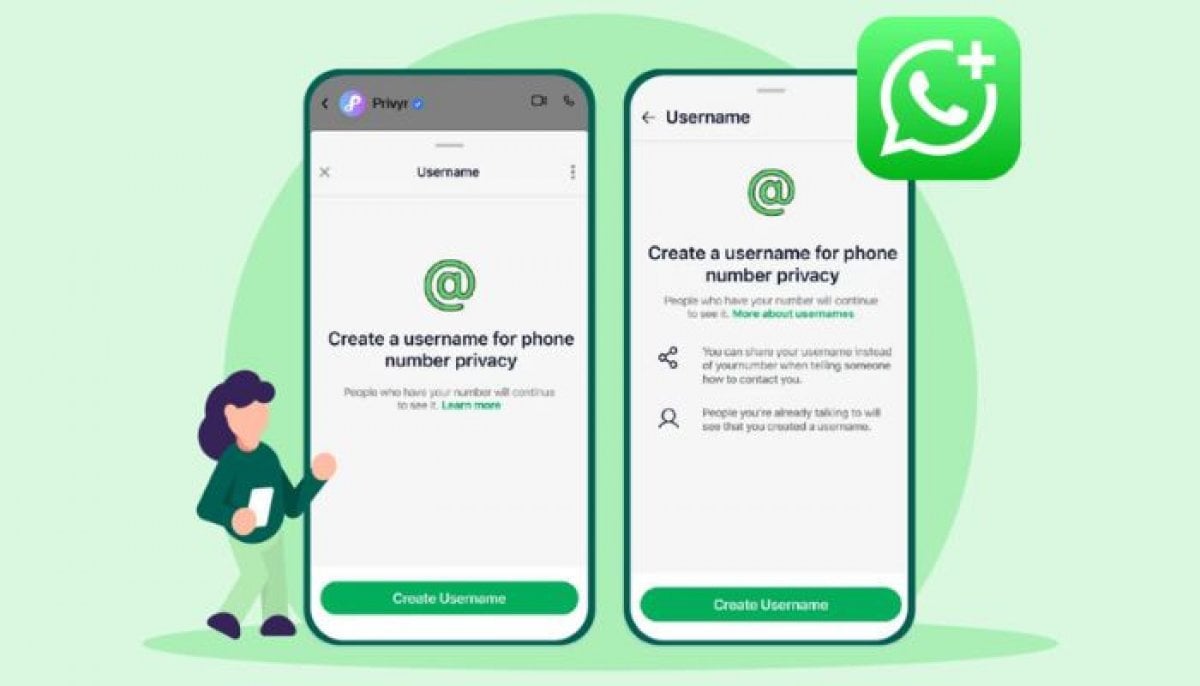 WhatsApp will now let you chat without sharing your phone number
 -
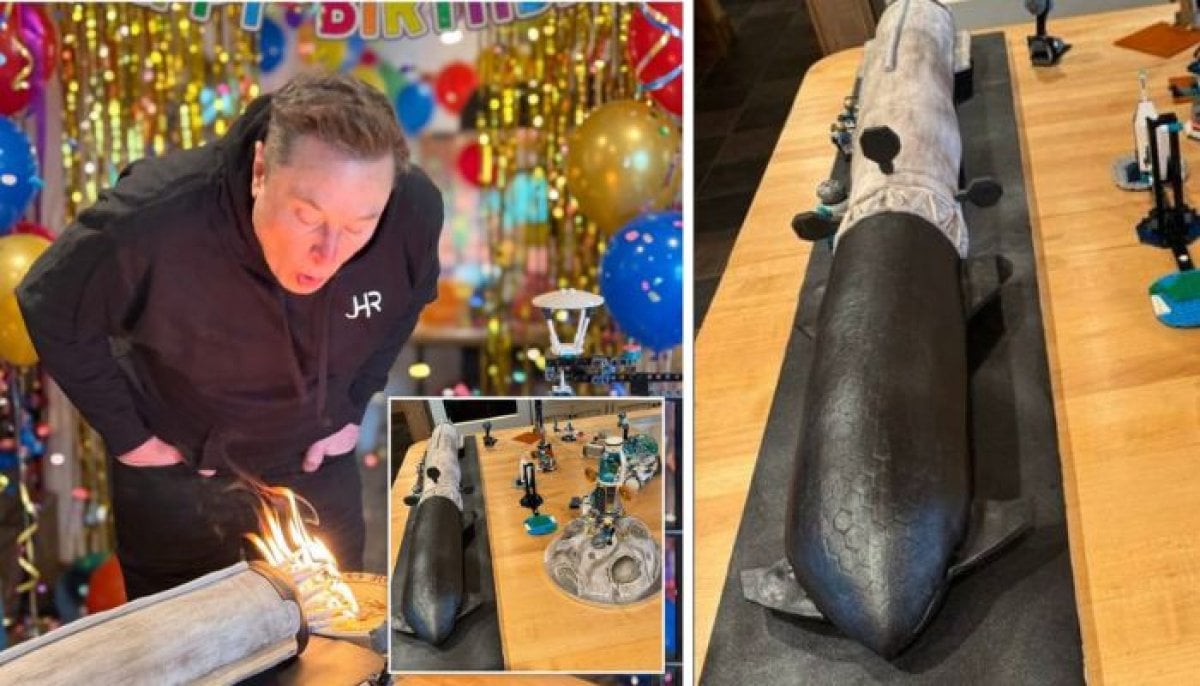 Trillionaire Elon Musk celebrates birthday with rocket-themed cake
 -
 Breaking: Is Minecraft down? Several users report outages
 -
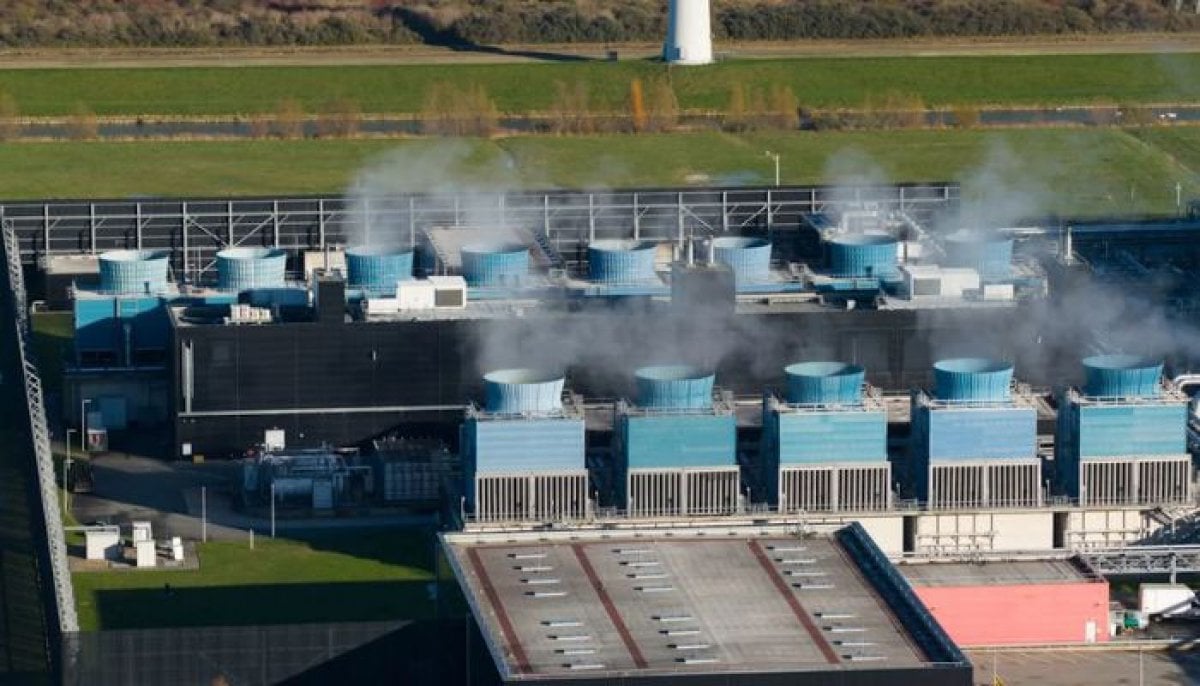 Europe's heatwave puts AI data centres under pressure
 -
 US plans to build world's first fault-tolerant quantum computer: Check details
 -
 Base iPhone 18 likely to feature 9GB RAM, leak suggests
 -
 South Korea plans massive $576bn AI-chip bet to challenge global rivals