Did Bill Gates save Apple? The 1997 Microsoft deal explained
Bill Gates invested $150 million in Apple in 1997, securing Office for Mac and ending legal disputes
On 6 August 1997, Steve Jobs walked out at Macworld Expo in Boston and announced that Apple's most bitter rival had just invested $150 million in the company. Bill Gates appeared live via satellite on a screen behind him, a moment that drew audible groans from the audience and stunned an entire industry.
By the mid-1990s, Apple faced actual threats to its existence as a company. The company suffered heavy financial losses because its excessive product line and overpriced products and constant changes in management led to operational problems which analysts believed would either result in the company's downfall or lead to its acquisition.
Steve Jobs returned to Apple after the 1996 acquisition of NeXT when he eliminated products and reduced the product range and established a new direction for the business.
The company needed time to complete its restructuring process because Apple's early 1997 financial situation remained so unstable that its future existence remained in doubt.
What Microsoft deal was included for Apple?
The agreement announced at Macworld wasn't just a cheque. Microsoft's $150 million came in the form of non-voting shares, meaning it provided capital without handing over any control of the company. Alongside the investment, Microsoft committed to developing Microsoft Office for Mac for at least five years, a commitment that mattered enormously to the professional users Apple couldn't afford to lose.
Apple agreed to make Internet Explorer the default browser for Mac devices. The two organisations established a comprehensive patent cross-licensing agreement which resolved their ongoing legal battles that had been consuming resources from both parties.
The decision appeared to be a generous act, but Microsoft pursued the decision for its own self-serving purposes. The company faced major antitrust investigations in 1997 because it controlled the entire software market in the United States.
A failed Apple business operation would have enabled Microsoft to dominate personal computing, which created the appearance of monopoly power that its legal team wanted to avoid.




-
 Apple speeds up software updates amid AI-driven cybersecurity threats
 -
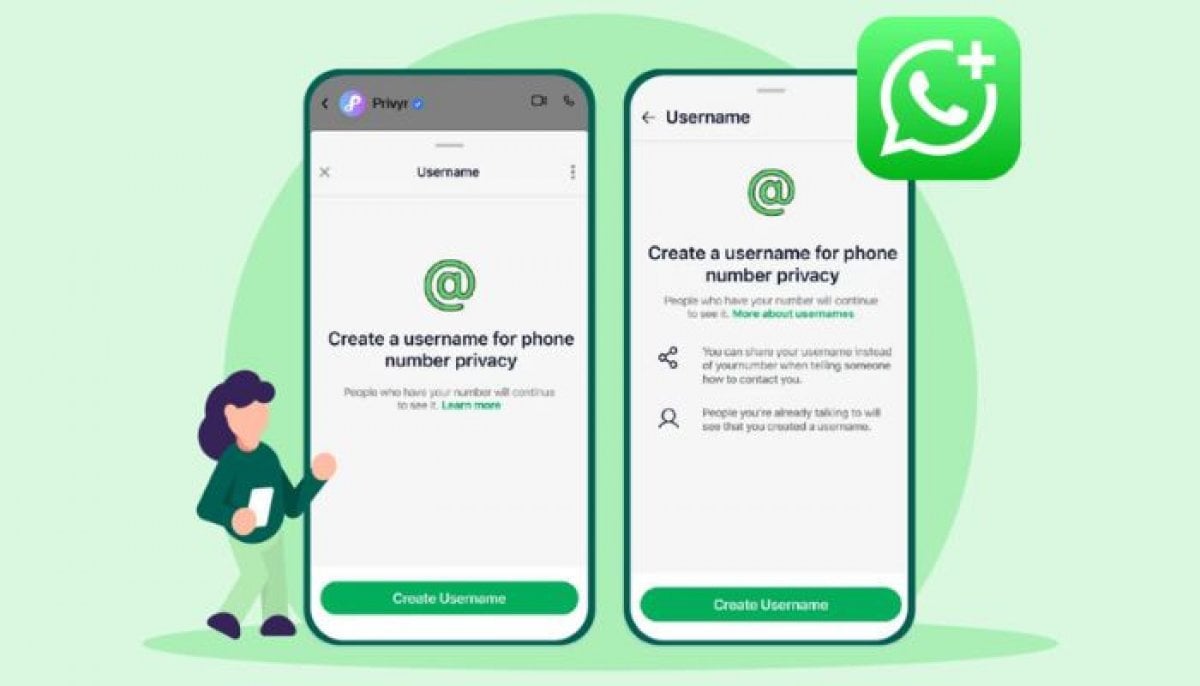 WhatsApp will now let you chat without sharing your phone number
 -
 Trillionaire Elon Musk celebrates birthday with rocket-themed cake
 -
 Breaking: Is Minecraft down? Several users report outages
 -
 Europe's heatwave puts AI data centres under pressure
 -
 US plans to build world's first fault-tolerant quantum computer: Check details
 -
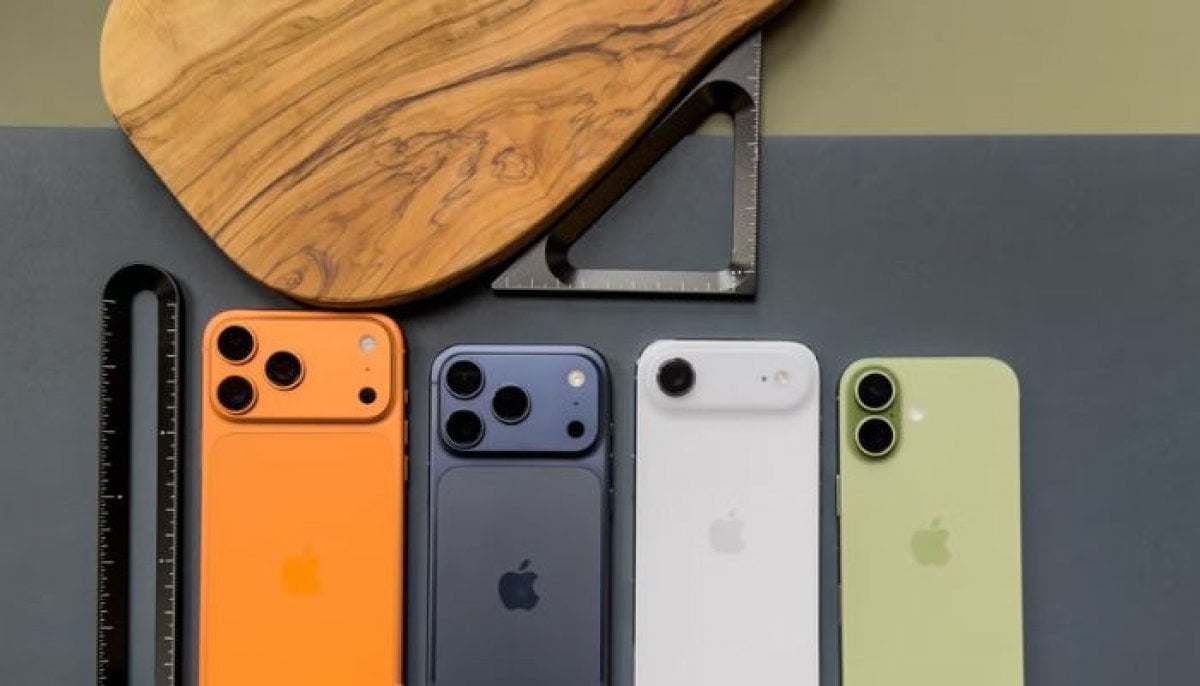 Base iPhone 18 likely to feature 9GB RAM, leak suggests
 -
 South Korea plans massive $576bn AI-chip bet to challenge global rivals