Taylor Swift’s AI trademarks expose artist protection gap
Indie artists like Murphy Campbell show why fame determines who actually gets protected from AI
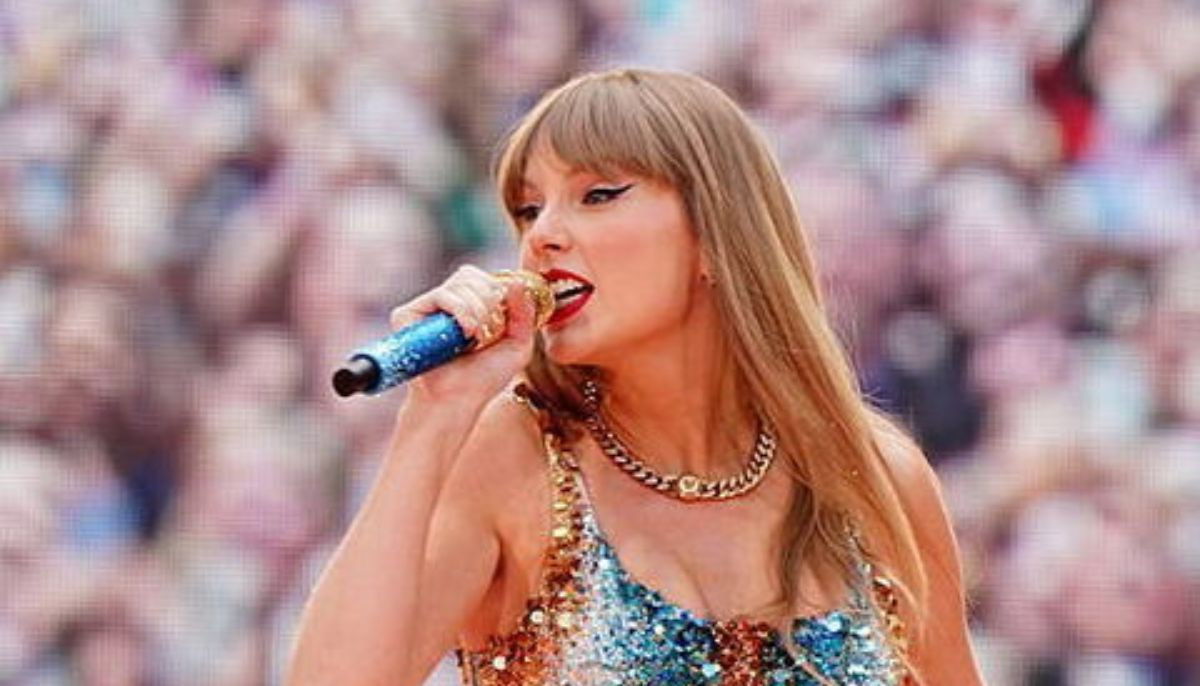
When Taylor Swift's management filed three trademark applications with the US Patent and Trademark Office on Friday, the music industry applauded. The filings quietly confirmed that legal protection against AI impersonation is becoming a privilege reserved for artists who can afford the lawyers to pursue it.
Acting through her company TAS Management, Swift filed two sound trademarks protecting her voice specifically the phrases "Hey, it's Taylor Swift" and "Hey, it's Taylor," phrases she regularly delivers during live performances.
A third application covers a visual trademark, using a photograph of Swift in a distinctive iridescent bodysuit and silver boots to formally establish her image rights.
Intellectual property attorney Josh Gerben, who first identified the filings, explained their practical function: if an AI system reproduces a voice that matches a registered trademark, the rights holder can pursue a trademark infringement claim a significantly cleaner legal pathway than current alternatives. For an artist of Swift's resources and global recognition, approval is considered a near-certainty.
Folk singer Murphy Campbell had no such safety net. In January, Campbell discovered multiple songs listed on her Spotify profile tracks she had recorded but never released. The vocals sounded slightly wrong.
After testing them with various software designed to detect such instances, she found out that they were made using video clips from performances that she had posted on YouTube, which then got scraped for reproductions of her yet-to-be released songs.
Although the fake audio files have been deleted from the sites where they appeared, the fake profiles using her name are still operational. Campbell’s case serves as a perfect example of the exposure to risk faced by artists who do not have lawyers and other forms of protection that could help them get immediate responses from the site administrators before much harm is done.
As a reaction to impersonation, Spotify now allows artists to approve or deny the uploading of their music on its platforms. It is significant progress. But the problem remains because the mechanism itself does not prevent such impersonations but reacts to them, and it all depends on whether the artists use Spotify as a tool to monitor their work.
Earlier this year, the same Matthew McConaughey decided to protect himself by registering the famous slogan “alright, alright, alright” that he used in the movie Dazed and Confused in 1993.
And what we have is the same old story once again – famous artists with all necessary mechanisms are protecting themselves, while the system to protect all the rest is still missing.


-
 Apple speeds up software updates amid AI-driven cybersecurity threats
 -
 WhatsApp will now let you chat without sharing your phone number
 -
 Trillionaire Elon Musk celebrates birthday with rocket-themed cake
 -
 Breaking: Is Minecraft down? Several users report outages
 -
 Europe's heatwave puts AI data centres under pressure
 -
 US plans to build world's first fault-tolerant quantum computer: Check details
 -
 Base iPhone 18 likely to feature 9GB RAM, leak suggests
 -
 South Korea plans massive $576bn AI-chip bet to challenge global rivals