26% of CEOs see CFOs as top job threat, new survey finds
According to study, CEO bears complete responsibility for all results which occur when financial strategy fails

A growing number of chief executives now see their own finance chiefs as a potential threat to their job security, reflecting a sharp shift in corporate power dynamics.
The Boston Consulting Group conducted its first CEO Insomnia Index study, which found that 26% of surveyed CEOs considered their primary financial officer to be their greatest threat because they ranked this officer higher than all other executive officers.
Why CEOs now see CFOs as their biggest threat?
The study, which gathered data from approximately 500 CEOs who worked in businesses with annual incomes between $100 million and $5 billion, showed increasing pressure on executives and rising conflicts within organisations.
The research demonstrates how the chief financial officer role now functions as a important component of organisational strategy development and decision-making processes instead of maintaining its historical function of financial control.
The current economic climate, which includes cost increases and heightened artificial intelligence spending, has caused CEOs to depend on CFOs for both future analysis and operational implementation.
Boston Consulting Group global Chief Operating Officer of Corporate Finance and Strategy Jody Foldes explained that the two parties maintained a relationship which depended on each other at a deep level instead of facing direct competition between them. The CEO bears complete responsibility for all results which occur when financial strategy fails, so both positions need to work together to achieve success.
“CFOs are no longer just backward-looking bookkeepers,” Foldesy noted. “They are increasingly involved in shaping strategy, analysing scenarios, and guiding major business decisions.”
The growing influence of the organisation creates greater opportunities for public exposure. CFOs build their reputations with boards through regular meetings which discuss financial results and projected outcomes and potential threats to the organisation, which enables them to establish themselves as suitable candidates for executive leadership positions.
The practice of succession planning exists as a standard procedure; however, organisations need to monitor how imminent successors to the CEO position create additional stress for existing chief executives.
The external conditions which executives face at work currently create significant stress for them. The report found average CEO stress levels at 66.7 out of 100, a level considered high.
According to one CEO, the top concerns for CEOs include three main factors, which include growth expectations, cost control, and increased board scrutiny, he stated that he needs to demonstrate more capability now than he did two quarters ago.





-
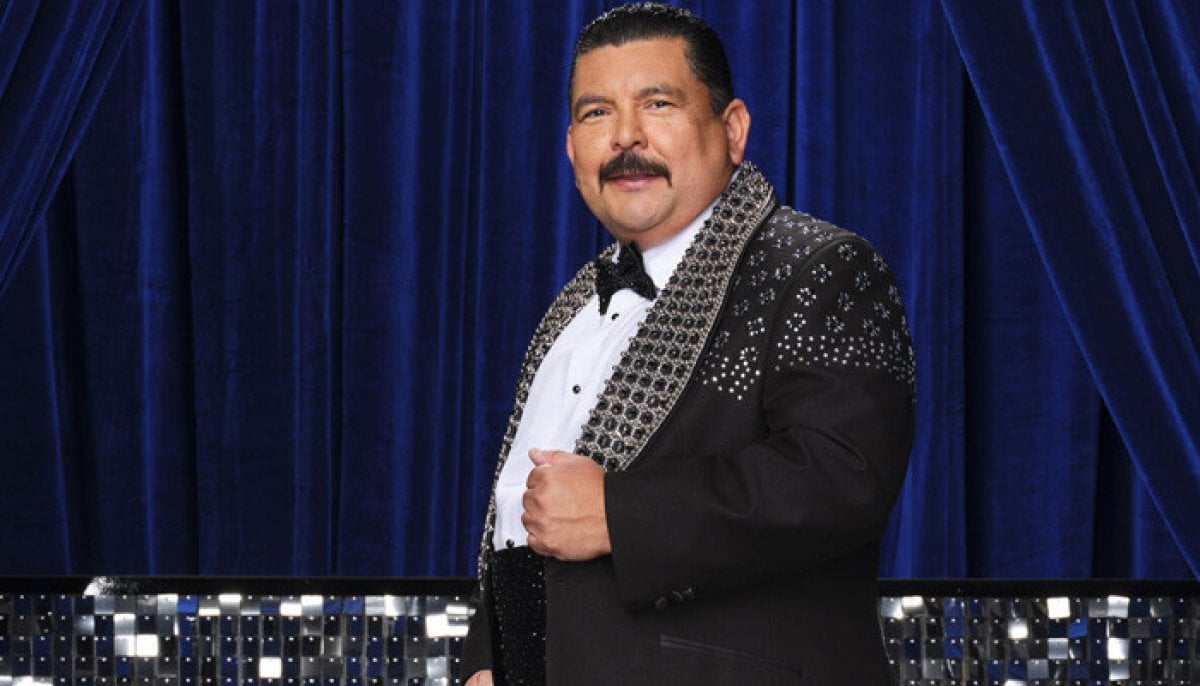 'Dancing with the Stars' audience boos after Guillermo Rodriguez gets low score
 -
 MGK ‘is very into’ Dakota Johnson
 -
 Dolly Parton’s legacy gets special tribute from CMA
 -
 Charlie Kirk's family files notice to sue Utah university over security lapses
 -
 Obama family mourns the passing of beloved dog Sunny
 -
 Putney Pusher suspect Nicholas Brandam found dead at home
 -
 Travis Kelce becomes victim of multimillion-dollar Ponzi scheme
 -
 BRICS 2026: Indian sniper suspended after revealing location on social media