Japan protests New Zealand ‘comfort women’ statue, warns of diplomatic fallout
Historical trauma of the “comfort women” remains a source of friction between South Korea and Japan
The Japanese embassy has issued a warning that diplomatic relations between Japan and New Zealand could be strained over “comfort women” statue, which is expected to be erected in an Auckland garden.
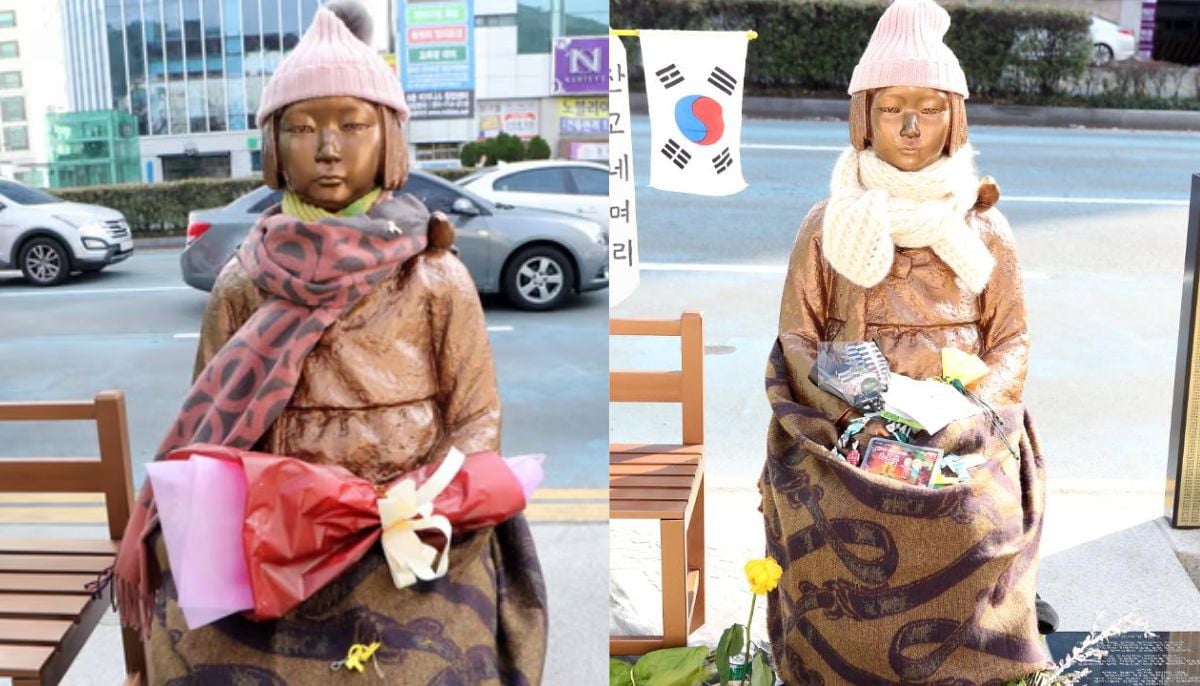
The bronze statue symbolizes the thousands of women Japan forces into sexual slavery before and during WWII. Given by the Korean Council for Justice and Remembrance, the statue depicts a seated girl next to an empty chair to commemorate survivors of wartime sexual violence.
In the case of approval by the local authorities at a meeting on April 28, the statue will be placed in the Korean cultural garden at Barry’s Point reserve in Auckland.
Japanese Ambassador Makoto Osawa cautioned the Auckland Council that "stirring up interest" in this issue could damage Japan’s relations with both South Korea and New Zealand.
According to Osawa, if the New Zealand government approved the funding for installation infrastructure, the act would be interpreted as official state endorsement.
A spokesperson from the Japanese embassy also suggested that the installation could cause schism and conflict within Korean and Japanese communities, ultimately leading to diplomatic fallout ultimately.
Between 1932 and 1945, an estimated 200,000 women were coerced into sexual slavery by the Imperial Japanese military. While the majority were Korean, victims also included women from China, Southeast Asia, Japan, and Europe. They were referred to by the euphemism "comfort women.”
The historical trauma of the “comfort women” remains a source of friction between South Korea and Japan. The first “peace statue” was erected in Seoul in 2011 to honor the women victims, sparking global movements across the world.
In 2018, Osaka severed relations with San Francisco after the city approved the installation of a similar statue as public property.
In 2022, Tokyo protested over the installation of a statue in the South Korean botanical garden, calling it an unpardonable breach of international protocol.
Later, the controversy extended to Europe in 2025, when a similar statue was removed from Berlin.


-
 Lili Reinhart reveals why she 'felt convinced' to do 'The Love Hypothesis'
 -
 Madonna's secret adoption after daughter Lourdes Leon's birth exposed
 -
 Secret UFO tape discovered after 70 years may reveal hidden details about 'Invasion of Washington'
 -
 Jenna Leigh Green drops bombshell about her role in 'Sabrina the Teenage Witch' after decades
-
 Ex-Pentagon official makes chilling claim: UFOs provoke US military
 -
 Inmates stage daring takeover of Bertie-Martin Regional Jail
 -
 Paris mortuaries at capacity as heatwave death toll climbs
 -
 US Supreme Court allows Lisa Cook to remain at Fed
 -
 Car crashes into North Circular Bus stop, two injured
 -
 Germany Shooting: 5 adults killed at Stade Youth Centre, suspects detained
 -
 'Iran has requested a meeting': Trump announces surprise Doha talks
 -
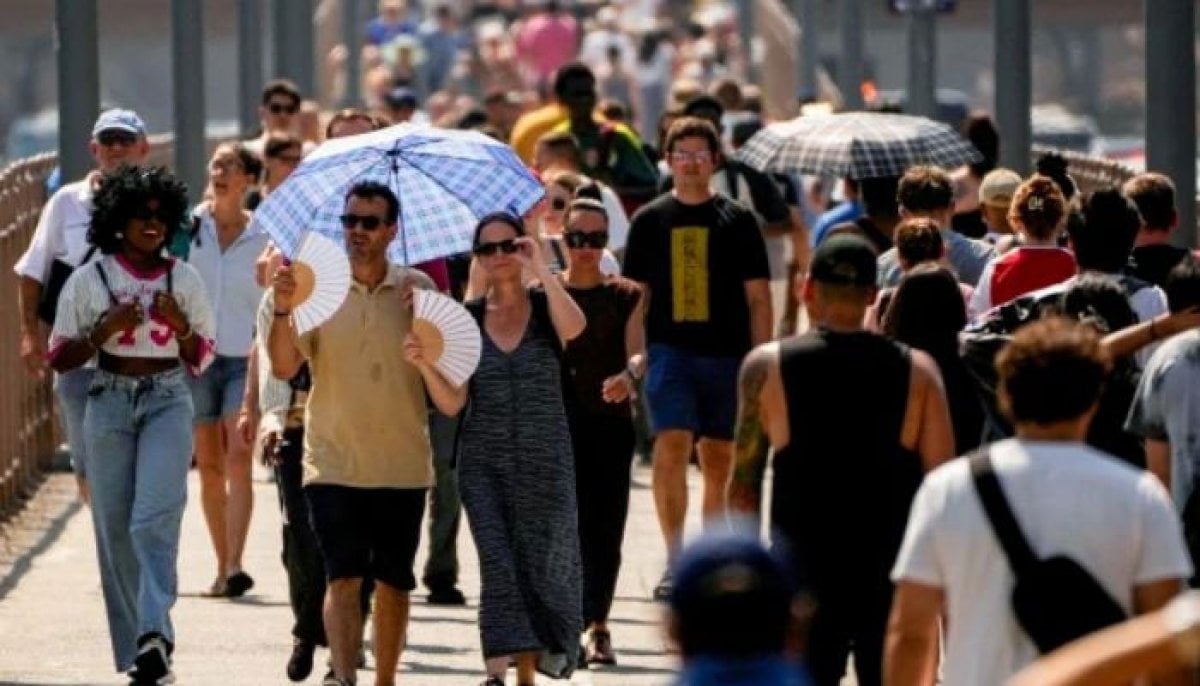 Dangerous heat wave sweeps US before July 4: Which states will be hottest?
-
 Andy Burnham rules out Cabinet appointments until leadership race concludes
 -
Will missing flight MH370 ever be found? Malaysia extends search until 2027
-
Spanish PM Pedro Sanchez faces pressure as wife Begona Gomez ordered to stand trial
-
Father, son pulled alive from rubble four days after Venezuela quakes