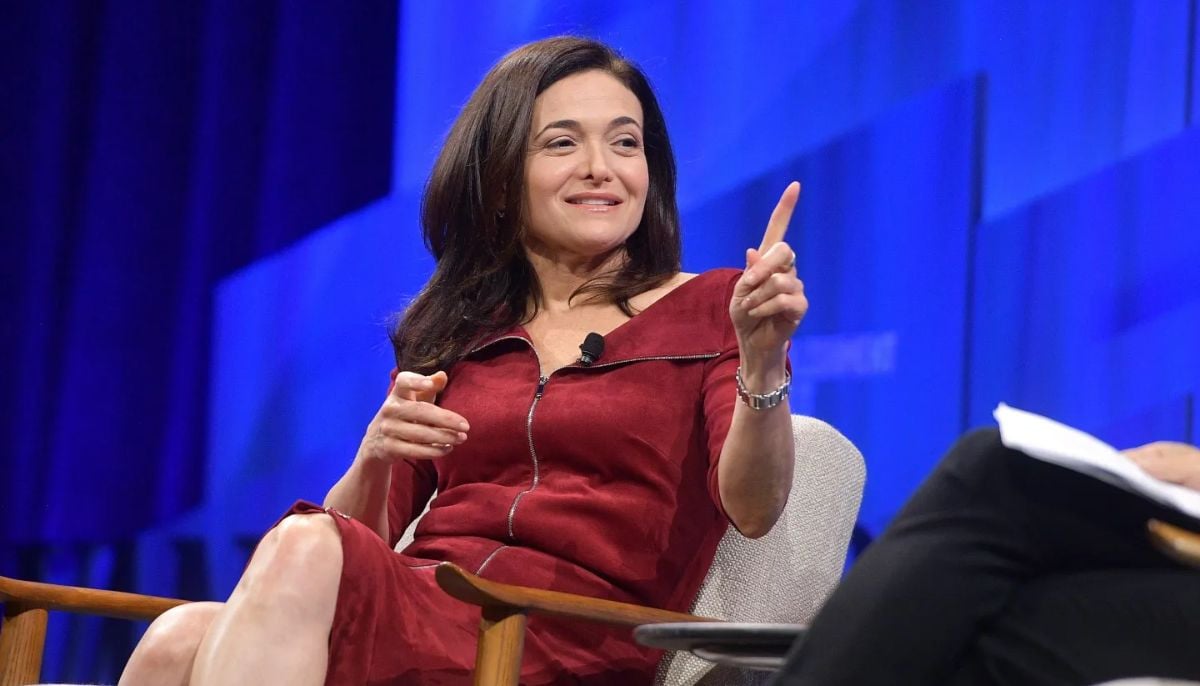
Majority UK people opt for AI to seek mental health support
Research revealed shocking inclination of people towards AI for therapy

More than 4 in 10 adults in the UK would be more than happy to use AI for their mental health support.
Bournemouth University surveyed about 31,000 adults in 35 countries about their use of AI large language models such as ChatGPT.
The research also showed that quarter of UK adults would prefer if AI started teaching their children and 45% of people globally would trust AI models to take on the role of their doctor.
Study lead Dr Ala Yankouskaya, the university's senior lecturer in psychology, said they wanted to learn about how people would trust the electronic tools for important roles in their daily lives.
According to the survey, 41% of participants from the UK, and 61% globally, said that they would be happy to using AI for counselling services.
"If someone is experiencing depression, they do not want to wait months for an appointment, so instead they can turn to AI," Yankouskaya explained.
But she added that she had tested some of the tools herself and had found "the language used very vague and confusing because the developers are careful not to jump into providing diagnoses".
"So, it is no substitute for speaking to a health professional,” she confirmed.
Previous reports have depicted the risk that comes with replacing real life professions with AI chatbots, with instances showing that the programs have sometimes been advising young people on suicide and sharing health misinformation.
"It really knocked me down when I saw how many people would be willing to delegate AI to the role of teaching their children," Yankouskaya said.
"We still do not know the long-term effects that using these tools for education could have on children's memory and cognitive functions,” she added.
Additionally, 25% of UK residents and 45% of all participants were willing to let AI be their doctors, with the numbers being higher in countries where healthcare is hard to access or expensive.
Last month mental health charity, Mind, announced that the launch of its AI and Mental Health Commission, which addresses the benefits and concerns around AI and mental health.
Charity chief executive Dr Sarah Hughes said they believed "AI has enormous potential to improve the lives of people with mental health problems".
"But that potential will only be realised if it is developed and deployed responsibly, with safeguards proportionate to the risks,” she added.
"We want to ensure that innovation does not come at the expense of people's wellbeing, and that those of us with lived experience of mental health problems are at the heart of shaping the future of digital support,” Dr Sarah concluded.







-
 AI with human traits may be safer, Anthropic study finds
 -
 Pavel Durov: Russia’s anti-VPN measures triggered payment failure
 -
 Meta pauses Mercor work after major data breach
 -
 Sam Altman's OpenAI buys TBPN to expand communication strategy and shape AI public debate
 -
 DeepSeek V4 model bets on Huawei chips as demand surges
 -
 Quantum computing threat: Why global cybersecurity could collapse soon
 -
 AI cyberattacks set to outpace human hackers, experts warn
 -
 Why Google launched the Gemma 4 AI model: Here’s everything to know
-
 Microsoft to power Japan’s AI future with massive $10B investment
 -
AI won’t replace jobs, it will evolve them, says Nvidia CEO
-
From human to machine: 15% of American accept AI in leadership roles
-
From AI self-preservation to ‘peer preservation’: New study raises alarm over hidden risks
-
OpenAI caught funding child AI group without disclosure
-
New AI tool targets extremism, redirects ChatGPT users to real-world help
-
Has X disabled the ability to copy video links?
-
Experts call on Google to ban Youtube AI videos for kids
-
Apple turns 50: Tim Cook reflects on five decades of impact
-
Perplexity AI accused of exposing sensitive user data