US holds up Nvidia AI chip deliveries to China, says report
The delay comes as the US conducts a security review of export licenses for advanced AI chips
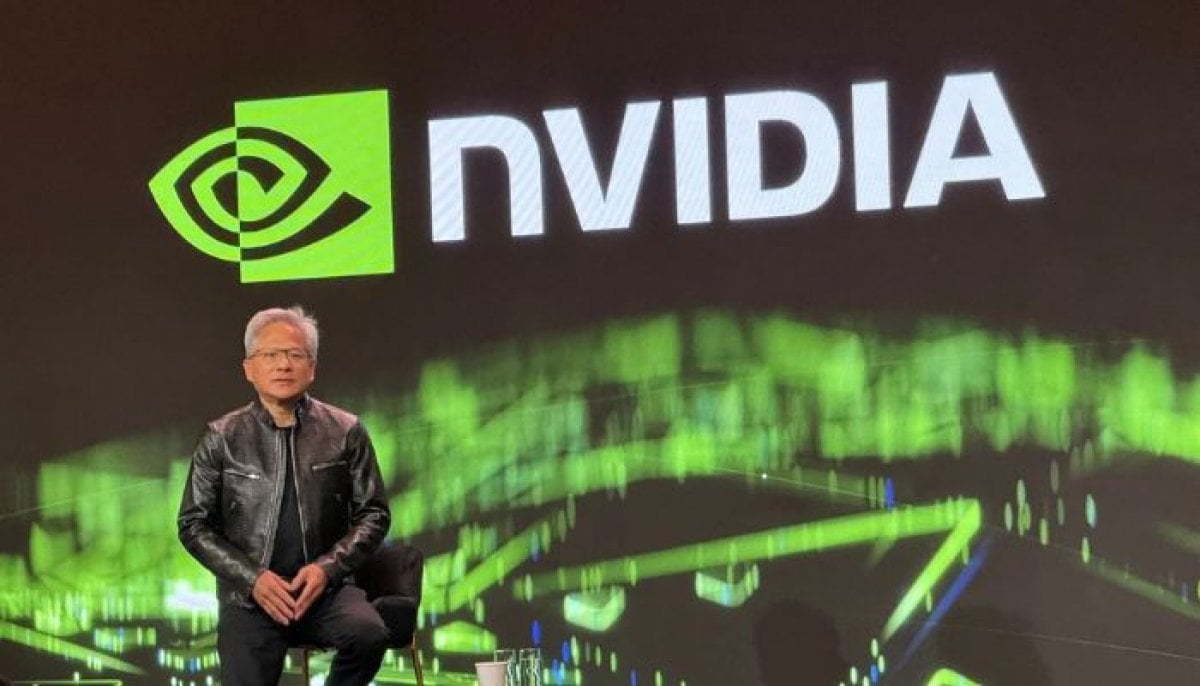
Nvidia's H200 AI chip sales to China remain in limbo nearly two months even after U.S. President Donald Trump approved exports, pending a U.S. national security review.
As reported by the Financial Times on Tuesday, February 3, 2026, Chinese customers are not placing further H200 chip orders with Nvidia until it becomes clear whether they will be able to secure the licenses or what conditions will be attached, the report said.
While Nvidia and the U.S. State Department did not immediately share their stance at the moment.
In January 2026, the Commerce Department eased export curbs on the H200 for China but required license applications to be reviewed by the U.S. Departments of State, Defense, and Energy.
According to the report, the Commerce Department has completed its analysis, but the State Department was pushing for tougher restrictions to make it harder for China to use the H200 chips in ways that would undermine U.S. national security.
Nvidia CEO Jensen Huang said last week he hopes China will allow the U.S. technology giant to sell its powerful H200 artificial intelligence chip in the country and that the license is being finalized.
Reuters reported last month that China had approved its first batch of Nvidia's H200 artificial intelligence chips for import, marking a shift in position as China seeks to balance its AI needs against spurring domestic development.


-
 France proposes Google fine plan to cut EU budget contributions
 -
 Google challenges EU orders to open android and search data to rivals
 -
 OpenAI cancels new AI model after troubling behaviour in safety tests
 -
 Meta launches Enterprise Platform: Tech giant targets corporate AI market with new business suite
 -
 Apple and Amazon face revived UK consumer lawsuit over marketplace pricing: Competition tribunal
 -
 Nvidia launches Open Agent Safety Platform to stop AI from going rogue
 -
 Meta AI Muse under fire for sharing user's home address–Here’s what happened
 -
 Bill Gates reveals the one way he refuses to use AI
-
 China weighs allowing ByteDance and Alibaba to buy new Nvidia chips: Here’s why
 -
Bill Gates warns unchecked AI could 'cause a billion deaths': Demands prompt regulation
-
Google restricts new account creation for Iranian users: What to know
-
Are strangers reviewing photos from your Meta glasses? Check settings now