Nicolas Maduro captured: The strategic reasons behind the US strike on Venezuela
A major military escalation has been carried out after years of strained relationships
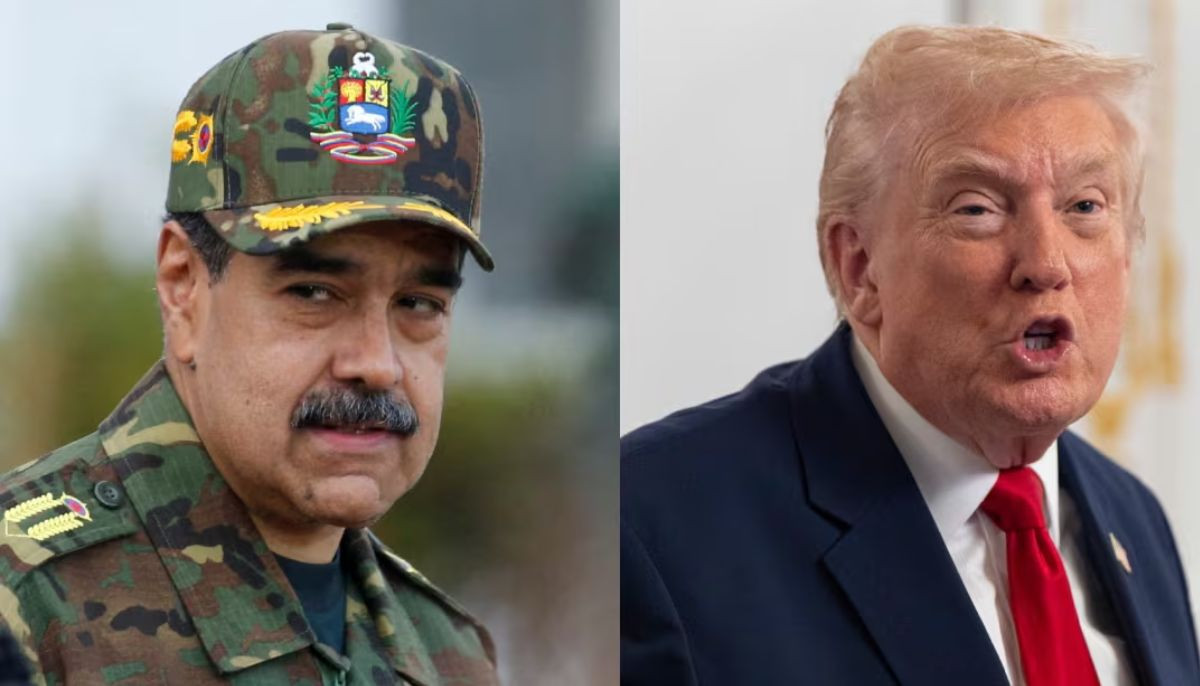
The United States has carried out a major operation, launching a series of airstrikes across Venezuela that culminated in the reported capture of President Nicolas Maduro and his wife, Cilia Flores, who have been flown out of the country.
The recent attack and unprecedented capture of a sitting president follows months of intense US pressure against Venezuela.
The US navy has amassed a huge fleet off the Venezuelan coast, carried out airstrikes against alleged drug-trafficking boats in the Caribbean and the Pacific and seized Venezuelan oil tankers.
The recent assault of Venezuela and the capture of Maduro represents a serious escalation of the US campaign.
Pivotal reasons for the US intervention
From the moment Trump took office for his second term, he had Maduro in his sights while imposing a maximum pressure campaign against the Venezuelan regime. He accused Maduro of orchestrating disruptive activities in the Americas, ranging from drug trafficking and illegal immigration to the US.
It was reported that in November, Trump issued an ultimatum to Maduro, offering him safe passage out of the country in exchange for his surrender. On refusal, Maduro told supporters in Venezuela that he did not want a “slave’s peace” and accused the US of specifically targeting the country’s oil reserves.
The longstanding tensions between the US and Venezuela
Relations between the US and Venezuela have been strained since Hugo Chavez became the president in 1999. Tensions escalated further after Chavez accused the US of backing a 2022 coup attempt.
The Trump administration portrayed the Maduro government as illegal, recognizing Juan Guaido, the speaker of the parliament as Venezuela's president in 2019.
According to The Guardian, Maduro was trounced in a landslide defeat in the 2024 presidential election, following widespread anger at his dictatorial regime and Venezuela's economic collapse.
Why did Trump capture Nicolas Maduro?
Maduro has been the president of Venezuela since 2013, and his rule is considered dictatorial. In 2019, the UN estimated that more than 20,000 Venezuelans were killed in extrajudicial executions; under his leadership, key institutions have been eroded and the rule of law has deteriorated.
Although Saturday's capture of the sitting president arrived without specific warning and caught Venezuelan authorities unprepared, the operation implies a willingness by the US to take bold risks.
What happens next?
The future remains uncertain as Venezuela's defence minister has pledged to preserve, calling on citizens to unite to resist the international invasion. He described the resistance to the US as a “fight for freedom.”
It remains unclear whether the attack on Venezuela will mark the beginning of a wider conflict.
The US has previously conducted war games to stimulate scenarios where the Venezuelan leadership was decapitated. Those simulations predicted that such a move could trigger prolonged chaos, with rival groups fighting one another for control of the country.
The recent U.S. attack on Caracas and the capture of Nicolas Maduro on January 3, 2026, represent the culmination of the Trump administration's maximum pressure strategy.


-
 Cardi B, Stefon Diggs' reunion takes unexpected turn in heated public exchange
 -
 Chino Hills Grand Fire: Immediate evacuation orders as bush fire explodes to 30 acres
 -
 King Charles is dying: Cancer takes away something big but no one can risk saying it yet
 -
 Kylie Jenner reflects on her pre-fame life: 'It felt pretty natural'
-
Chino Hills Grand Fire: Immediate evacuation orders as bush fire explodes to 30 acres
-
 Xi warns Taiwan issue could push US-China ties into conflict as Trump praises Chinese leader
 -
 Xi, Trump hold friendly talks as US-China summit begins
 -
 Meet Kevin Warsh—The new Fed chair confirmed by the US Senate
 -
 OpenAI chief Sam Altman’s investments draw scrutiny in Musk lawsuit
 -
 Can Keir Starmer’s successor stabilize UK markets amid rising pressures? Here's what to expect
 -
 Iran war could cost US taxpayers $1 trillion, expert warns
 -
 The frontrunners who could replace Keir Starmer as party leader and British prime minister