OpenAI to upgrade ChatGPT audio ahead of first hardware release
OpenAI is working on audio AI to make responses sound more natural and expressive

With online speculation growing around OpenAI’s upcoming hardware, new details have emerged about how the company plans to power it. Rumours are circulating about the development of a next-gen version of its ChatGPT model that'll sport an audio-first approach and power its very first consumer device.
According to 9to5Mac, OpenAI is working to improve the quality of its audio AI to make the responses sound more natural and expressive with a deeper understanding of emotions.
This aims to enable smooth and real-time conversations where ChatGPT could respond immediately and even finish its responses as the other person speaks, rather than the smooth approach already available in the audio capabilities.
Reportedly, the audio model is expected to listen as well as talk concurrently, allowing you to speak freely, interject answers, and receive more accurate answers faster. OpenAI has planned to launch the audio model in early 2026, marking a highlight in the roadmap plan for voice technology.
The hardware launch is still quite a distance away. There are rumours that OpenAI will not release its initial AI gadget for at least another year. The gadget will mark the beginning of a series of audio-centric devices that it is currently working on.


-
 Google’s flagship AI model Gemini 4 Argon is here: What developers need to know
-
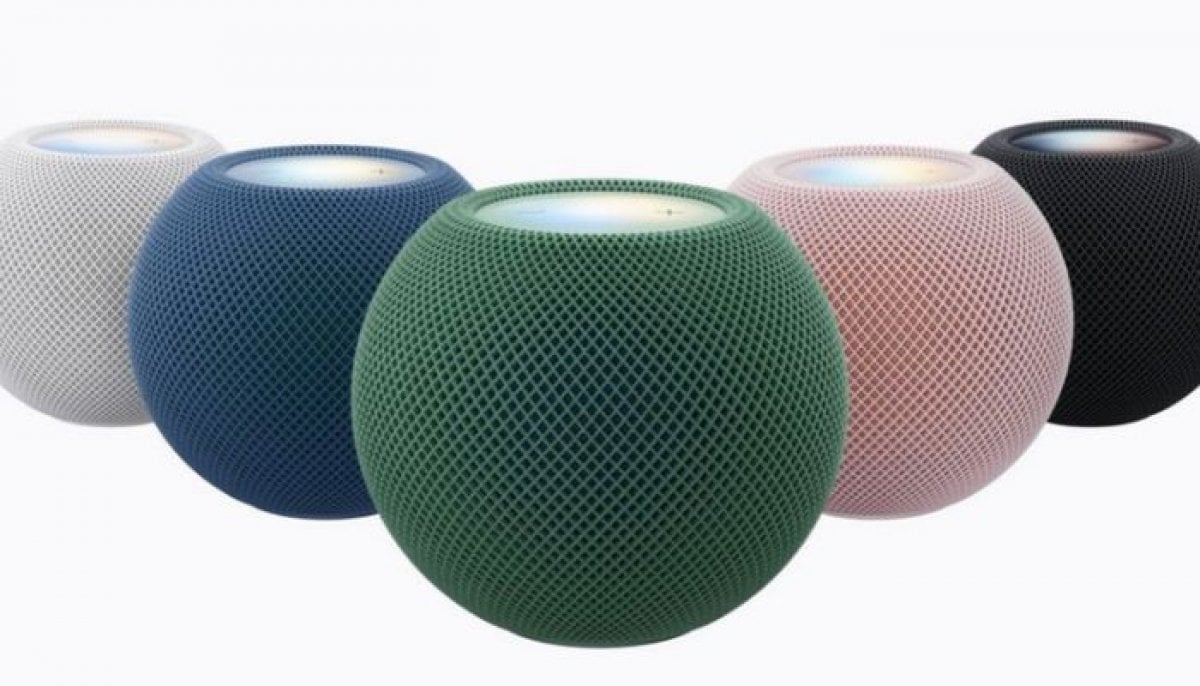 Apple unveils new HomePod mini 2 colors: What to know
-
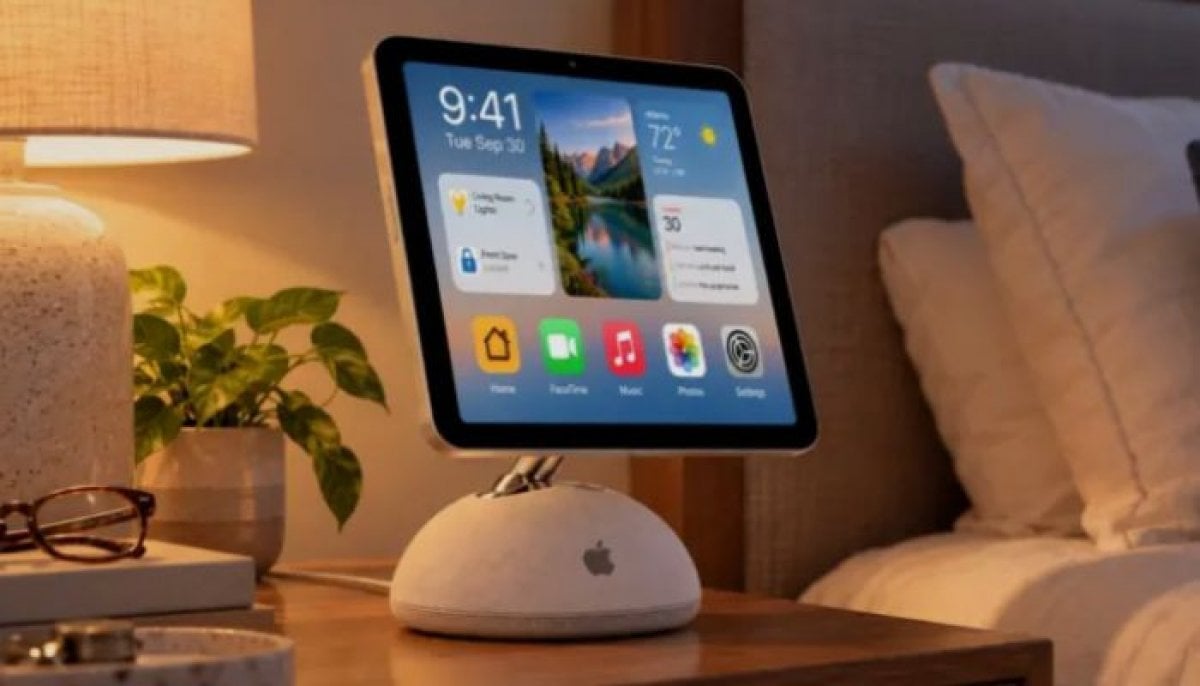 Apple debuts HomeView smart display and next-gen home devices powered by conversational Siri AI
-
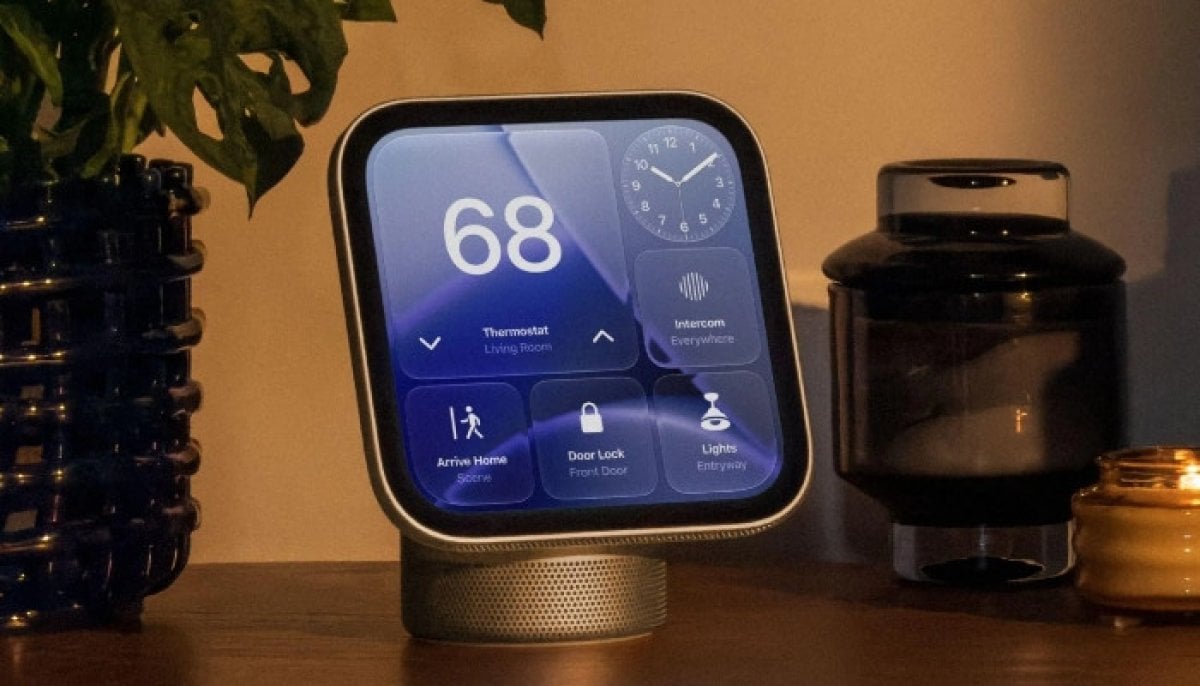 Apple launches HomeView: Here’s what the $299 Siri AI smart home hub can do
-
 Meta challenges UK online safety watchdog: Here’s why
-
 Character.AI files for bankruptcy, agrees to $20M disney asset sale
-
 Scott Kupor reveals how the ‘Super Intelligence’ task force will push AI safety
-
 Geoffrey Hinton, Yoshua Bengio join 400 scientists calling for global AI oversight body
-
 Can AI predict people's thoughts? Palantir CEO Alex Karp weighs in
-
Anthropic warns small AI models may soon self-replicate across connected devices
-
Philippine lower house approves bill restricting minors' social media access
-
Google Translate adds auto-save for Live Translate transcripts, with one catch