Pakistan's bond surge poised to strengthen on rating upgrades, revived market access
Govt intends to issue yuan-denominated bonds later this year and to return to Eurobond market in 2026
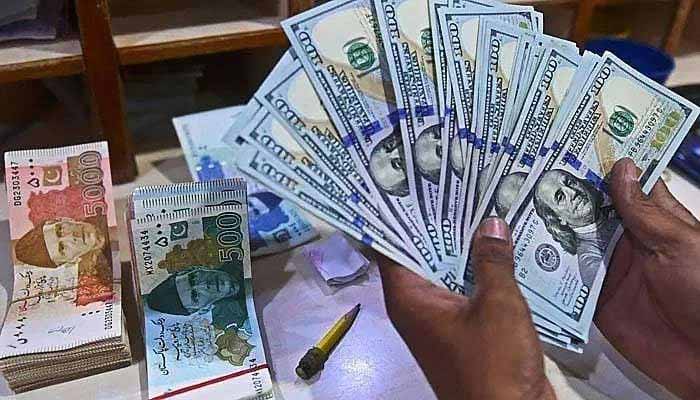
Pakistan’s dollar bonds are set to build on their Asia-leading gains as credit-rating upgrades, improving reform momentum, and plans to re-enter global debt markets bolster investor confidence, Bloomberg reported.
The government intends to issue yuan-denominated bonds later this year and to return to the Eurobond market in 2026 for the first time in nearly five years, a key milestone for a country that came close to default two years ago. The move could spur further gains in debt, according to Goldman Sachs Asset Management and UBS Asset Management.
These planned issuances highlight Pakistan’s effort to diversify its funding sources and curb reliance on the International Monetary Fund. So far this year, its dollar bonds have delivered a 24.5% return, the highest in Asia.
Danske Bank Asset Management, which bought Pakistan’s dollar bonds at the peak of its financial crisis two years ago, has increased its holdings several times this year, said Soren Morch, head of emerging markets debt. “We are optimistic that Pakistan will stay on the reform course, rebuilding buffers like higher dollar reserves and also getting market access and taking advantage of that,” he told Bloomberg.
S&P Global Ratings and Fitch Ratings have both upgraded Pakistan’s sovereign rating this year, pointing to better fiscal management and reform momentum under Prime Minister Shehbaz Sharif’s International Monetary Fund(IMF) backed programmes. The government has obtained billions in IMF funding by raising taxes and keeping fiscal policy discipline.
“The outperformance will sustain as long as they’re sticking to the IMF policies, which we believe they have a strong commitment to do so,” said Shamaila Khan, head of fixed income emerging markets and Asia Pacific at UBS Asset Management.
A potential reopening of market access for Pakistan is another support, she added, because “then you really are not concerned about refinancing over the next two to three years.”
Even so, tensions with neighbours India and Afghanistan remain a risk for already sluggish economic growth, while higher energy prices could put pressure on public finances, given that oil makes up about 30% of total imports.
For now, though, investors remain positive. “In the next six to 12 months, we see rating upgrades as the first catalyst and market access as the next catalyst” for capital appreciation in markets like Pakistan, said Salman Niaz, head of global fixed income for APAC ex-Japan at Goldman Sachs Asset Management.


-
 Hyundai to recall nearly 100,000 US vehicles over fire risk from overheating
 -
 Will Tesla and SpaceX merge? Barclays expects announcement ahead of December meeting
 -
 GSK eyes over 1,200 Belgian job cuts in cost-saving drive
 -
 Netflix slashes 1,000 jobs: What’s behind the cuts?
 -
 Anthropic to reveal new revenue figures as AI financial race heats up
 -
 HSBC to phase out fixed-pay allowances by 2028 in major compensation overhaul
 -
 TotalEnergies expands US renewable venture with KKR in $1.2B solar portfolio deal
 -
 Australian telecom shares tumble as SpaceX moves closer to direct-to-cell market
-
 World Bank in crisis aid talks with dozens of nations amid global shocks
 -
Deutsche Bank chief explains why German election results alarm foreign investors
-
China orders development of national blockchain network in economic blueprint: Here’s why
-
Tesla renames 'full self-driving' to 'assisted driving' in Europe: What to know