Online restrictions contribute to drop in internet freedom for 15th straight year
US, Germany among Western democracies to join authoritarian states in imposing growing restrictions online

WASHINGTON: The United States and Germany are among the Western democracies that have now joined authoritarian states in imposing growing restrictions online, an annual survey by Freedom House said Thursday.
The Washington-based democracy promotion research group said global internet freedom fell for the 15th straight year, with declines in a number of countries that remain classified as "free".
"We find worsening repression in authoritarian and authoritarian-leaning states, largely because governments in those countries see restrictions on the internet and online expression as a means of maintaining power," said Kian Vesteinsson, the report's co-author.
"Much more specific to 2025, we've seen conditions in democracies declining," he told AFP.
"Unfortunately, we see across North America and Western Europe generally a trend towards closing civic space in some countries, and in others deepening restrictions on people posting hateful or problematic content," he said.
The US scored 73 on a scale of 100 on internet freedom in the year through May 2025 covered by the report, its lowest-ever figure and down three points from the previous year.
The report pointed in part to the detention by President Donald Trump's administration of a number of non-US citizens over their online expression.
Secretary of State Marco Rubio has vowed to deport people over statements on Israel, decisions challenged in courts.
Germany also saw a decline of three points to 74. Freedom House said that Germany was seeing growing self-censorship and also the zealous enforcement of laws that prohibit hate speech and defamation.
It pointed to a suspended jail sentence and fine imposed on the editor of a far-right website over a social media post that included a manipulated image to criticise a politician.
The Trump administration has repeatedly criticised the free speech record of Germany, which says its Nazi past makes it critical to impose safeguards.
The most severe declines in the report were registered by Kenya, which briefly shut down the internet in response to nationwide protests, as well as Venezuela and Georgia.
Two countries were downgraded — Serbia was classified as "partly free" instead of "free" and Nicaragua was marked as "not free" instead of "partially free".
Bangladesh saw the biggest gain, as a new government formed after a student revolt loosened restrictions in the country.
Freedom House, founded during World War II to promote democracy, was historically funded largely by the US government but operated independently.
Trump, on returning to office, slashed funding to rights groups, including Freedom House, which has laid off staff.


-
 First Russian diesel shipment en route to New York after Trump-Putin energy deal: Report
 -
 Trump accuses Ilhan Omar of identity fraud: ‘Congresswoman openly admitted to FRAUD’
 -
 Trump says Google rejected his request to rename Atlantic Ocean after himself or America
 -
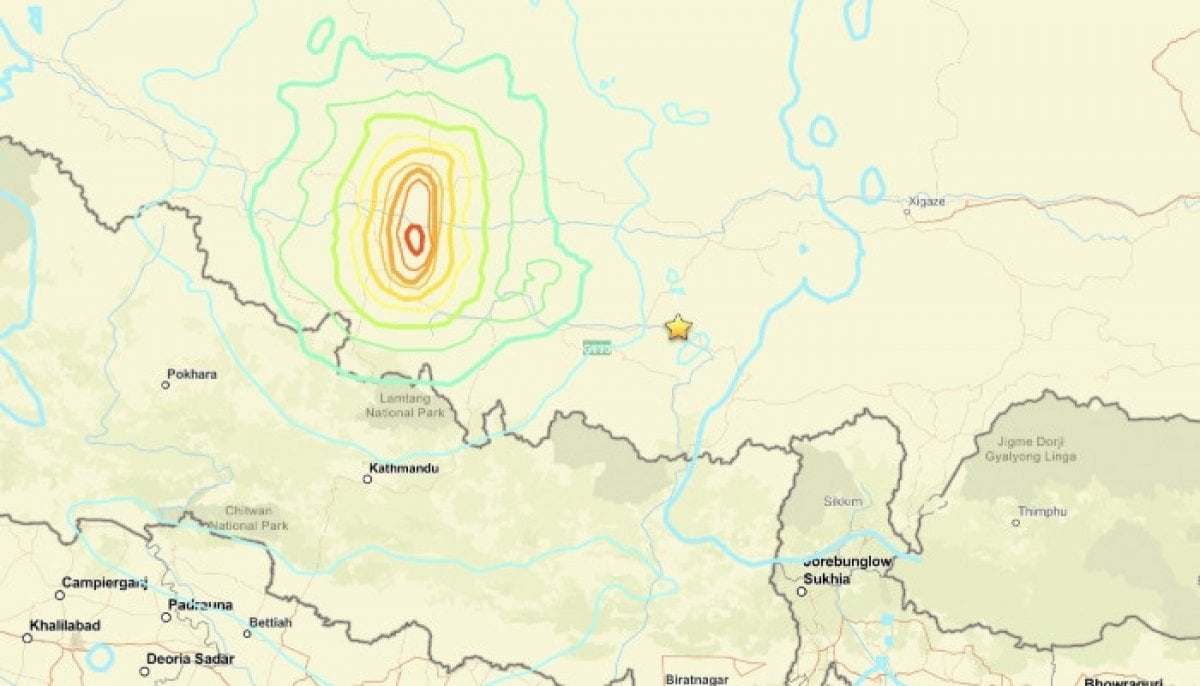 Magnitude 7.0 earthquake in Tibet kills 16 and destroys hundreds of homes
 -
 Ron Duguay, former New York Rangers forward, dies after cancer battle
 -
 Kathy Hochul gets campaign boost from NYC Mayor Zohran Mamdani ahead of midterms
 -
 Abdul El-Sayed and Mike Rogers clash over Trump, patriotism in Michigan Senate debate
 -
 Russia attacks Kyiv hours after peace talks announcement, killing two and injuring 22