Rubio, Jaishankar meet amid US-India tariff tensions
Held on ASEAN summit sidelines, meeting was highest-level contact since US sanctioned Russian oil companies

US Secretary of State Marco Rubio met Indian External Affairs Minister Subrahmanyam Jaishankar on Monday as the two sides sought to advance trade talks and cool tensions over Washington's punitive tariffs.
Few details were released, but the meeting marked the highest-level contact since the United States sanctioned Russian oil companies last week, a key source of India’s crude supplies.
Jaishankar posted a photo on social media of the pair shaking hands, saying he “appreciated the discussion on our bilateral ties as well as regional and global issues.”
The meeting took place on the sidelines of a Southeast Asian summit in Malaysia, which US President Donald Trump attended in person and Indian Prime Minister Narendra Modi addressed by video link.
Relations between Washington and New Delhi plummeted in August after Trump raised tariffs to 50%, with US officials accusing India of fuelling Russia's war in Ukraine by buying Moscow's discounted oil.
Trump, who spoke to Modi last week by telephone, has claimed that the Indian leader has agreed to cut Russian oil imports — something New Delhi has not commented on.
Trump warned that New Delhi would continue paying "massive" tariffs if it did not stop buying Russian oil.
"I spoke with Prime Minister Modi of India, and he said he's not going to be doing the Russian oil thing," Trump told reporters aboard Air Force One.
Asked about India's assertion that it was not aware of any conversation between Modi and Trump, Trump replied: "But if they want to say that, then they'll just continue to pay massive tariffs, and they don't want to do that."
India has become the biggest buyer of seaborne Russian oil sold at a discount after Western nations shunned purchases and imposed sanctions on Moscow for its 2022 invasion of Ukraine.
India's foreign ministry said it was not aware of any telephone conversation between the leaders that day, but said that New Delhi's main concern was to "safeguard the interests of the Indian consumer".
— With additional input from Reuters


-
 Markwayne Mullin sees no need to stop international flight processing at Newark Airport: Here’s why
 -
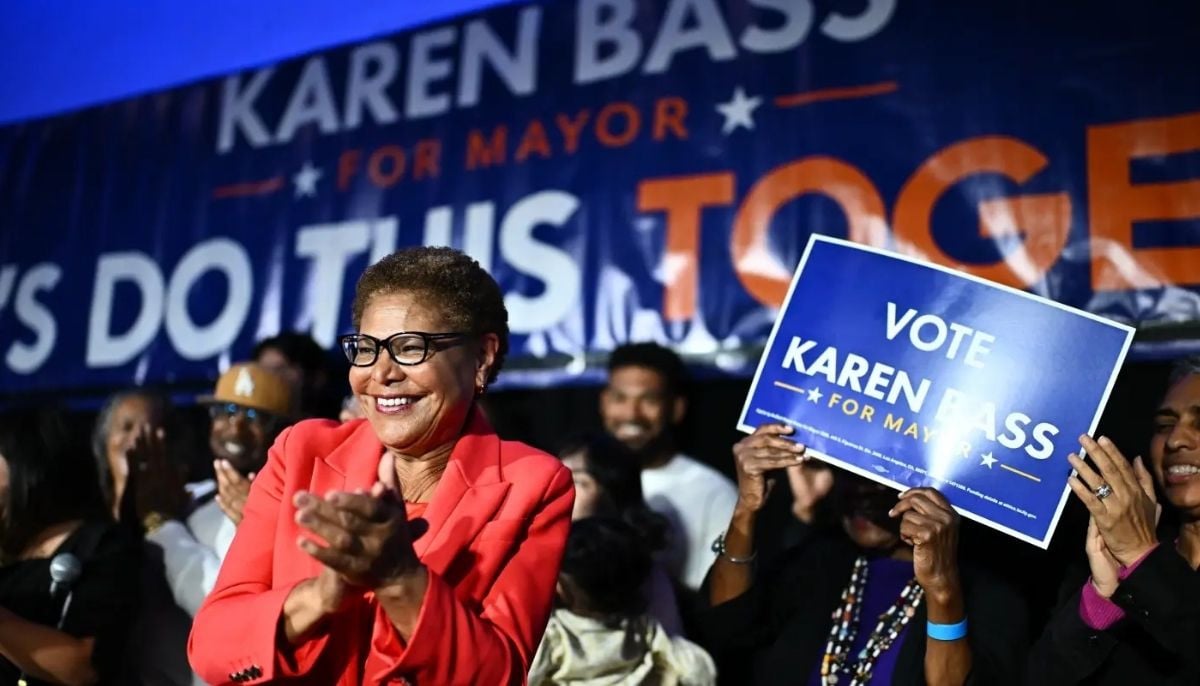 Election results: Karen Bass advances to November LA mayoral runoff in bid for second term
 -
 Scott Pelley terminated by CBS after criticism of '60 Minutes' leadership
 -
 Andy Ogles faces backlash after controversial Pride Month tweet
 -
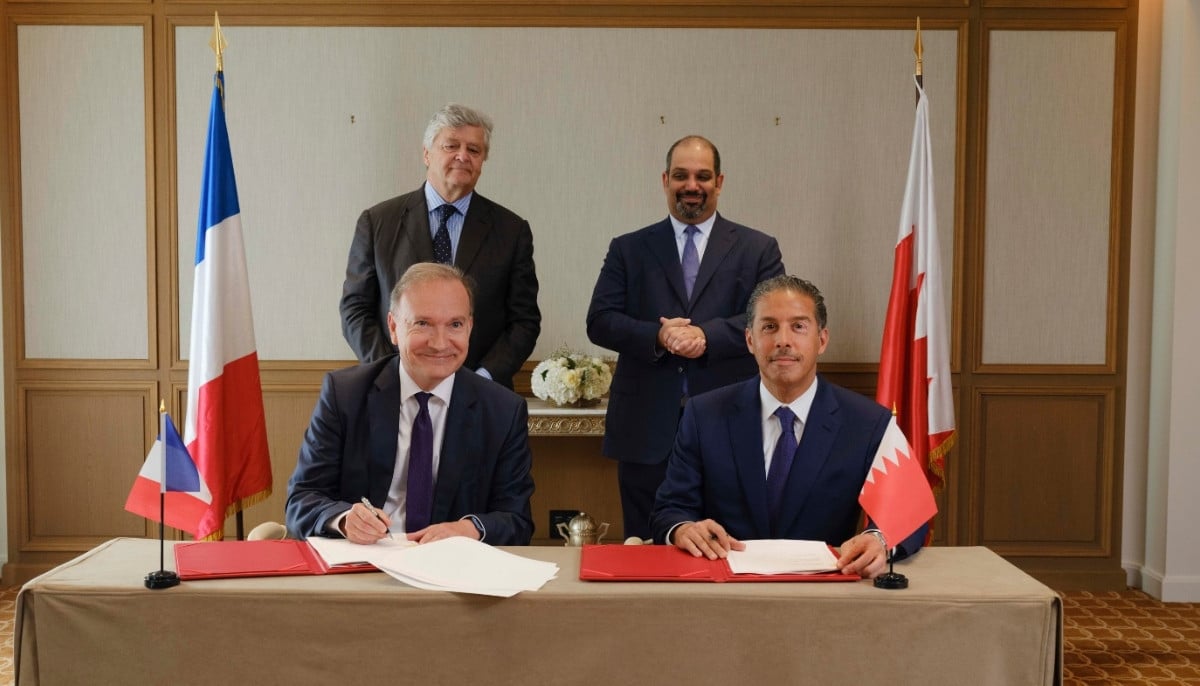 Bahrain’s Alba buys Europe’s largest aluminium smelter for $2.2 billion
 -
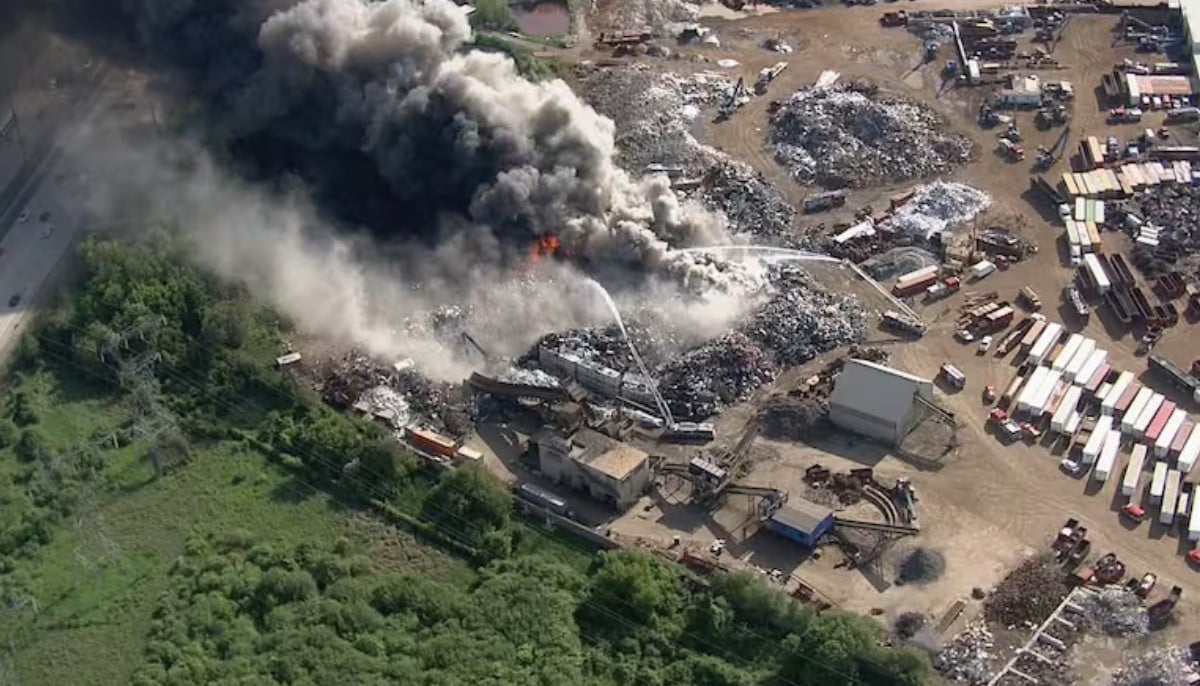 Massive fire breaks out at Brampton scrap metal yard near Pearson Airport
 -
 Canadians who missed census can expect calls and home visits
 -
 Trump administration faces lawsuit over $1 billion offshore wind settlement