Pakistan outlines phased plan for Afghan transit trade resumption
Directorate of Transit Trade says cargo clearance process to be completed in three stages
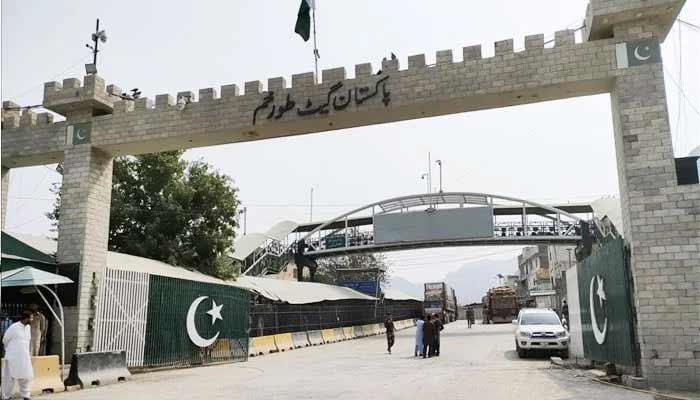
KARACHI: The Directorate of Transit Trade has issued a detailed procedure for the phased resumption of Afghan transit trade, days after operations were suspended due to border tensions between Pakistan and Afghanistan.
In a statement, the directorate said that the cargo clearance process would be completed in three stages. In the first phase, nine vehicles that were sent back after the closure of Bab-e-Dosti will be cleared.
The second phase will involve the processing of 74 vehicles that had returned from the NLC terminal, while in the third phase, 217 vehicles parked at the halting yard will be cleared for onward movement to Afghanistan.
Customs authorities confirmed that formal directives have been issued for the gradual restoration of transit operations, beginning with the Chaman border route.
Separately, trade officials in Chaman said that hundreds of cargo vehicles remain stranded due to the prolonged suspension.
They noted that over 370 trucks are parked in different cities across the province, while around 300 are stationed at various terminals in Chaman city.
Additionally, more than 500 freight vehicles and 150 trucks involved in the Central Asian transit trade are still waiting for border clearance.
On October 20, it was reported that the Pakistan-Afghanistan border is likely to reopen within 48 hours.
Pakistan closed the Torkham and Chaman borders with Afghanistan on October 12 after the Afghan Taliban, in association with their affiliated militants, attacked multiple Pakistan Armed Forces posts along the border.
The border clashes between forces from the two countries began on the night between October 11 and 12 after the Afghan Taliban and militants launched unprovoked attacks against Pakistan’s border posts.
The resulting clashes led to the killing of over 200 Taliban and affiliated militants, while 23 Pakistani soldiers were martyred defending the motherland, the Inter-Services Public Relations (ISPR) said.
Pakistan also conducted "precision strikes" deep inside Afghanistan, targeting terrorists in Kandahar province and Kabul. A temporary 48-hour ceasefire was announced on October 15 at Afghanistan's request.
The temporary ceasefire was extended for another 48 hours on October 17 as delegations from the two countries headed to Doha, Qatar, for further negotiations.
Pakistan and Afghanistan agreed to an immediate ceasefire during the Qatar-mediated talks on Sunday.
Defence Minister Khawaja Muhammad Asif announced the deal for a truce, with both sides scheduled to meet again on October 25 in Istanbul, Turkiye, to discuss "detailed matters".
Taliban spokesperson Zabihullah Mujahid also confirmed the development, saying that the parties agreed on a complete and meaningful ceasefire.


-
 Supreme Court rejects Google challenge to patent office review policy: Here's why
-
 Netflix faces scrutiny over user engagement ahead of Q3 report
-
 Meta and Tesla are set to report earnings next week: What to know
-
 SpaceX sets Q3 2026 earnings release date: What to know
-
 Hyundai to recall nearly 100,000 US vehicles over fire risk from overheating
-
 Will Tesla and SpaceX merge? Barclays expects announcement ahead of December meeting
-
 GSK eyes over 1,200 Belgian job cuts in cost-saving drive
-
 Netflix slashes 1,000 jobs: What’s behind the cuts?
-
 Anthropic to reveal new revenue figures as AI financial race heats up
-
HSBC to phase out fixed-pay allowances by 2028 in major compensation overhaul
-
TotalEnergies expands US renewable venture with KKR in $1.2B solar portfolio deal
-
Australian telecom shares tumble as SpaceX moves closer to direct-to-cell market