'Funding shortfall hinders' UN probe into Israeli violence sought by Pakistan
Pakistan sought additional evidence on arms transfers to Israel in context of Gaza war, Israeli settler violence

The United Nations inquiry, initiated at Pakistan’s request to examine settler violence and arms transfers to Israel, is facing delays due to a funding shortfall, a document showed.
The incident shows how dire funding shortages in the UN system, caused by donor fatigue and belt-tightening, are harming global accountability efforts for abuses after a Congo probe was stalled earlier this year.
The Independent International Commission of Inquiry on the Occupied Palestinian Territory — established in May 2021 by the Geneva-based Human Rights Council — can provide evidence of international crimes used in pre-trial investigations by tribunals like the International Criminal Court.
Last year, the council approved a request from Pakistan to research additional evidence on arms transfers to Israel in the context of the Gaza war and Israeli settler violence.
But Navi Pillay who heads the inquiry told the council's president in an August 6 letter that a lack of funds meant it was unable to hire staff.
"The Commission has started informing the sponsors of the two resolutions that it will be unable to produce these mandated reports and present them to the Council in March 2026," said Pillay, who has served as a judge at the ICC and is a former UN High Commissioner for Human Rights.
Israel has regularly criticised the commission, which has condemned actions by the Israeli military since it launched its Gaza offensive after the deadly Hamas attacks of October 7, 2023.
A backlog of UN mandatory fees, including from top donor the United States which owes around $1.5 billion, has worsened a long-running UN liquidity crisis. In response, the global body plans to cut its budget by 20%.
Overall, 12 of the current 47 voting members on the council — set to meet in September to discuss crises in Sudan and Afghanistan — have outstanding fees, according to a tally by the International Service for Human Rights.
Nada Al Nashif, Deputy High Commissioner for Human Rights, said investigations were now running at around 50% staffing levels.
"Without the timely availability of funds, implementation has become and will continue to be increasingly constrained and in some cases it will simply not be possible," she said.


-
 Sheriff Chris Nanos insists Nancy Guthrie was taken alive
 -
 Yankees extend Brian Cashman's tenure after another disappointing playoff exit
 -
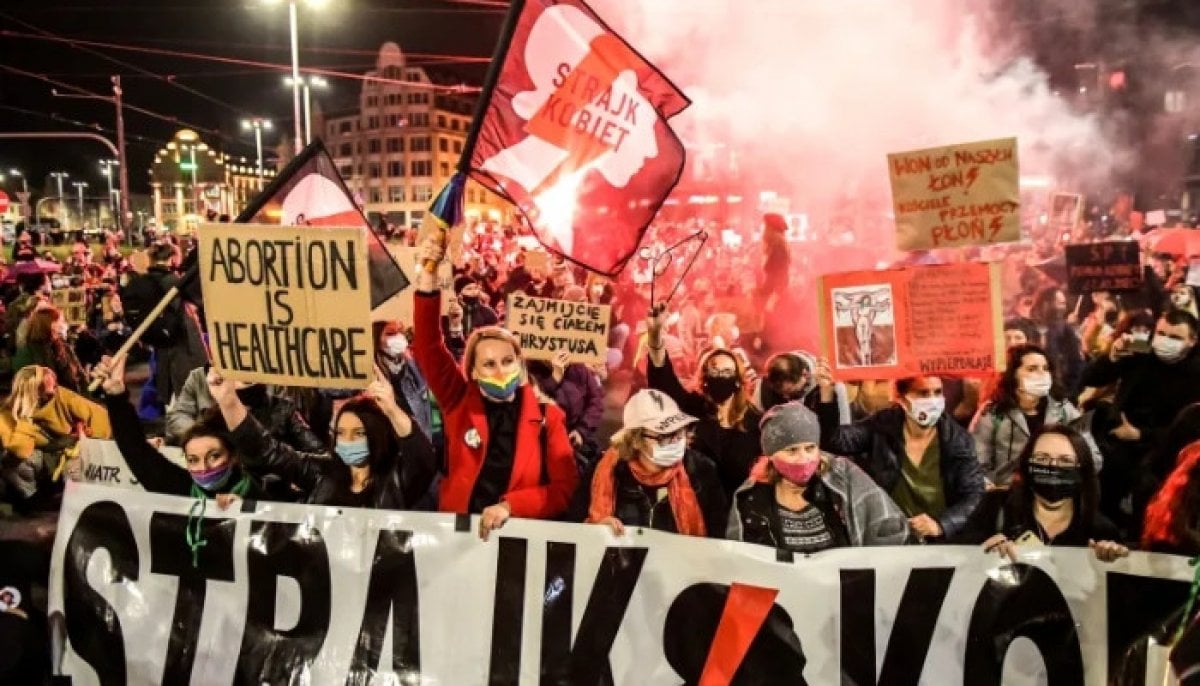 Poland's abortion ban faces new challenge as lawmakers vote to loosen restrictions
 -
 New York Democrat Brad Lander released after detention in West Bank
 -
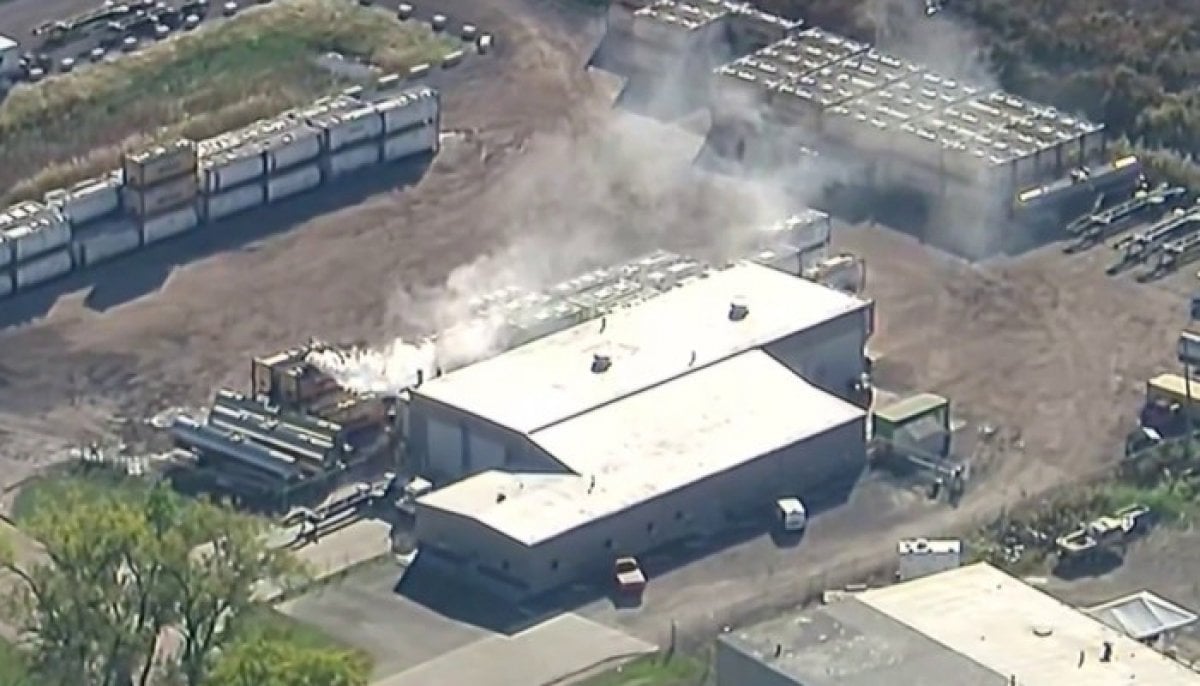 Ohio chemical tank explosion triggers mass evacuations and shelter-in-place orders in Toledo
 -
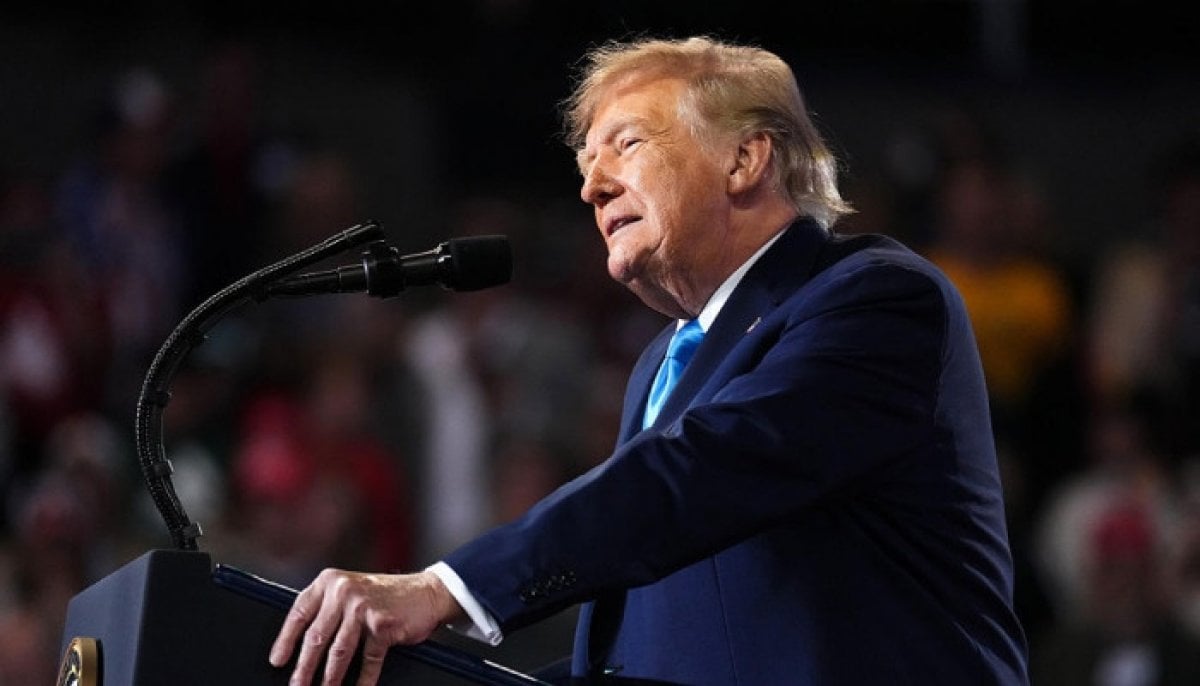 Trump suffers record low approval rating weeks before US midterm elections
 -
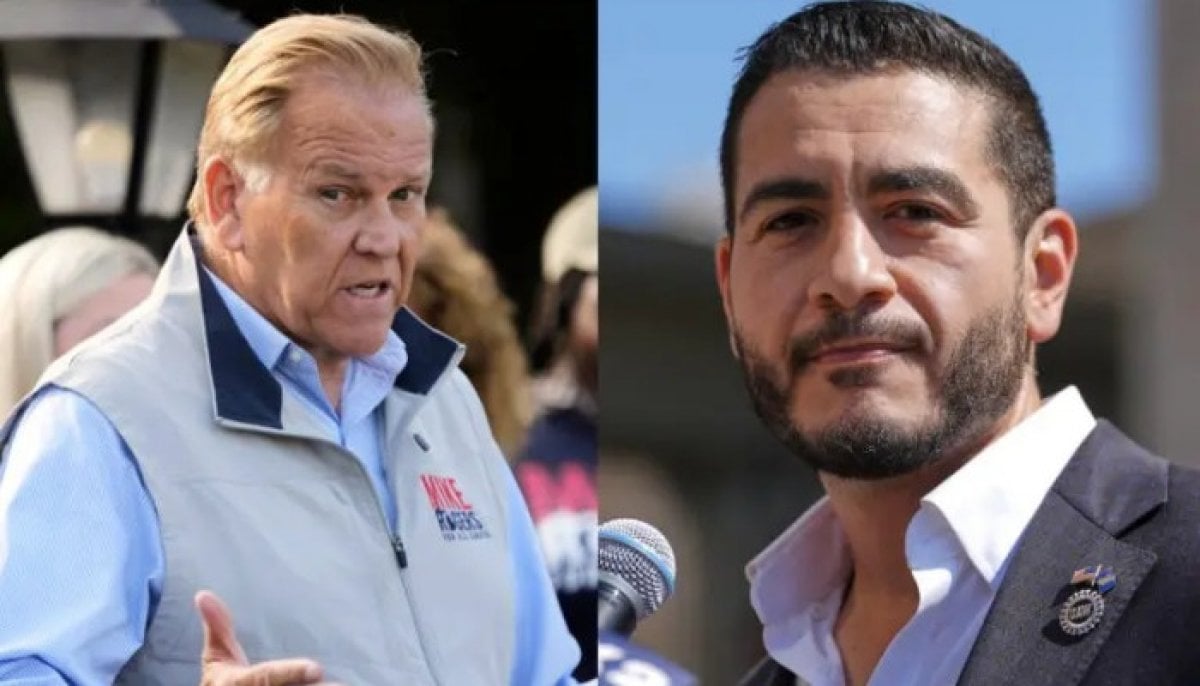 El-Sayed leads Rogers by a narrow margin as Michigan Senate election approaches
 -
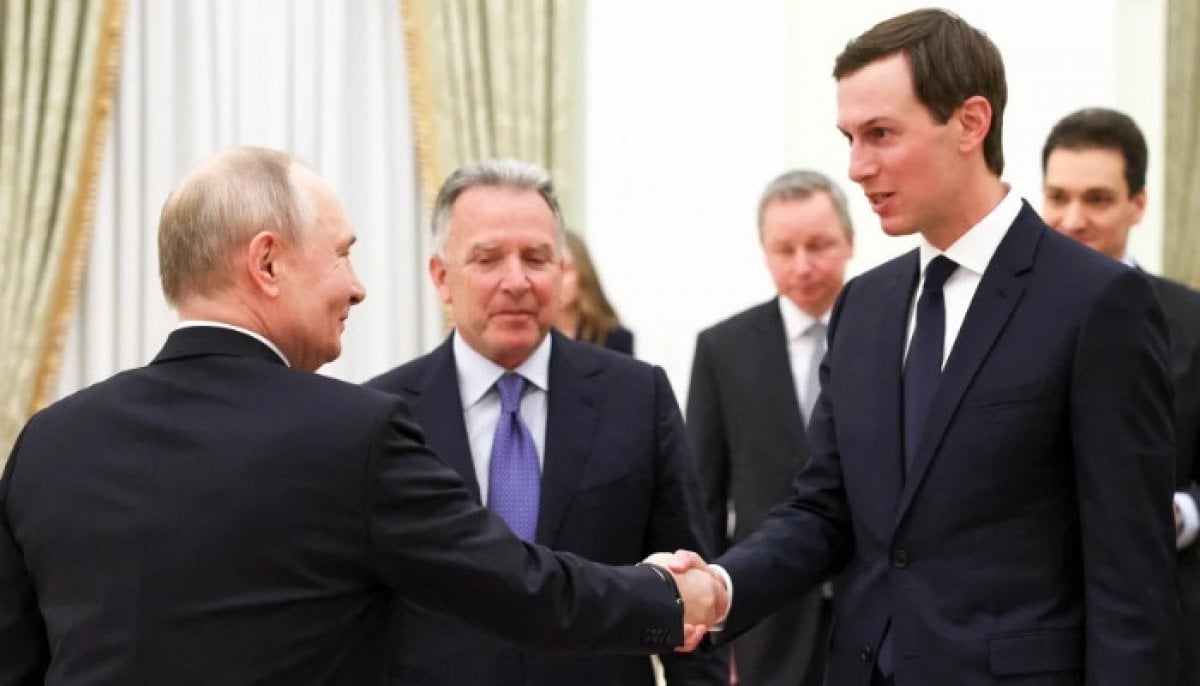 Russia ready for new Ukraine peace talks in November after Putin-Witkoff meeting
-
 Macron warns Trump, other foreign leaders to stop using France riots for political gain
 -
Cost of living crisis deepens as fuel price surge pushes UK inflation to 10-month high of 3.5%
-
Ukraine’s Zelenskyy backs ceasefire, calls for fresh talks with US and Russia
-
Pope Leo XIV rides popemobile for first time since lung cancer surgery