150,000 Rohingya flee Myanmar to Bangladesh: UN
UNHCR spokesman hails Bangladesh for generously hosting Rohingya refugees for generations
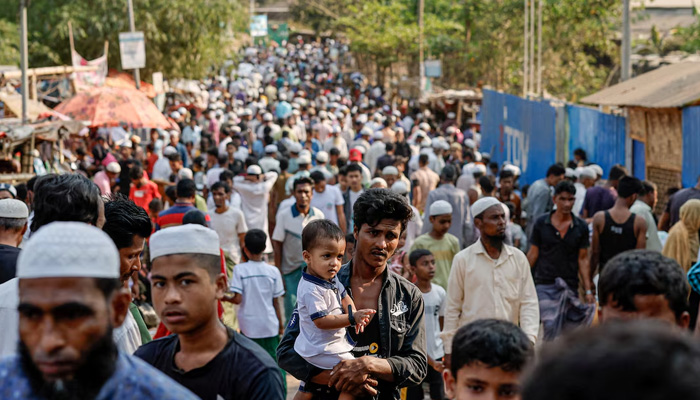
The United Nations on Friday reported a significant surge in the number of Rohingya refugees fleeing to Bangladesh from Myanmar, marking the largest influx of the Asian country's largely Muslim minority since the mass exodus nearly a decade ago.
The UN refugee agency (UNHCR) said that Bangladesh has registered the arrival of up to 150,000 Rohingya refugees in the Cox's Bazar camps since early 2024.
Speaking to reporters in Geneva, UNHCR spokesman Babar Baloch said: "Targeted violence and persecution in Rakhine State and the ongoing conflict in Myanmar have continued to force thousands of Rohingya to seek protection in Bangladesh.
"This movement of Rohingya refugees into Bangladesh, spread over months, is the largest from Myanmar since 2017, when some 750,000 fled the deadly violence in their native Rakhine State."

Baloch hailed Bangladesh for generously hosting Rohingya refugees for generations.
Even before the latest influx, around a million members of the persecuted and mostly Muslim Rohingya were living in squalid relief camps in Bangladesh, most of them after fleeing the 2017 military crackdown in Myanmar.
Those camps, crammed into just 24 square kilometres (nine square miles), have thus become "one of the world's most densely populated places", said Baloch.


-
 First radio emission detected from planet beyond our solar system
 -
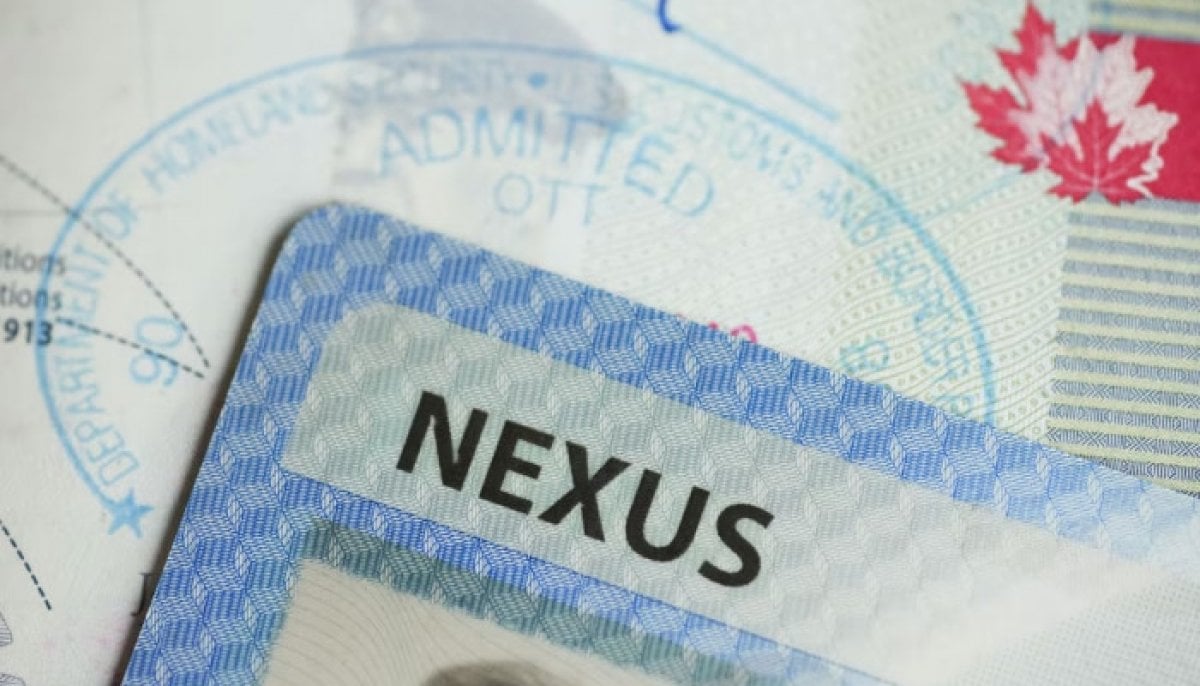 Nexus rules are changing for Americans and Canadian next year: Here’s what you should know
 -
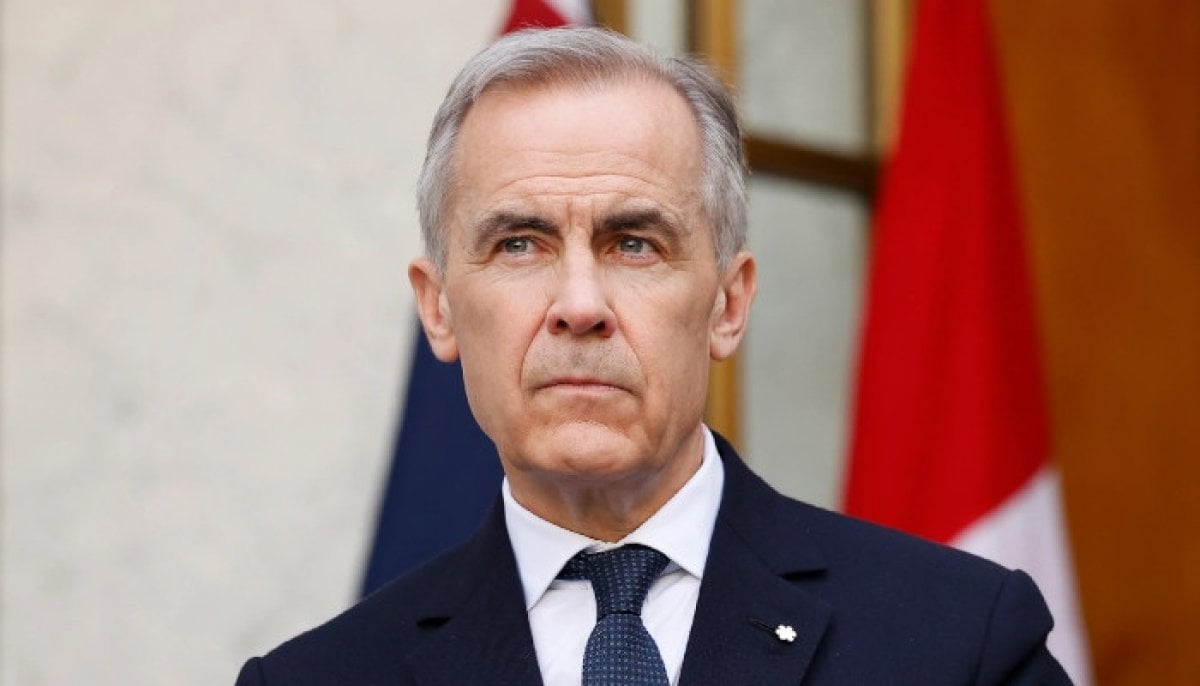 Man arrested after alleged death threats to Canadian PM Mark Carney on X
 -
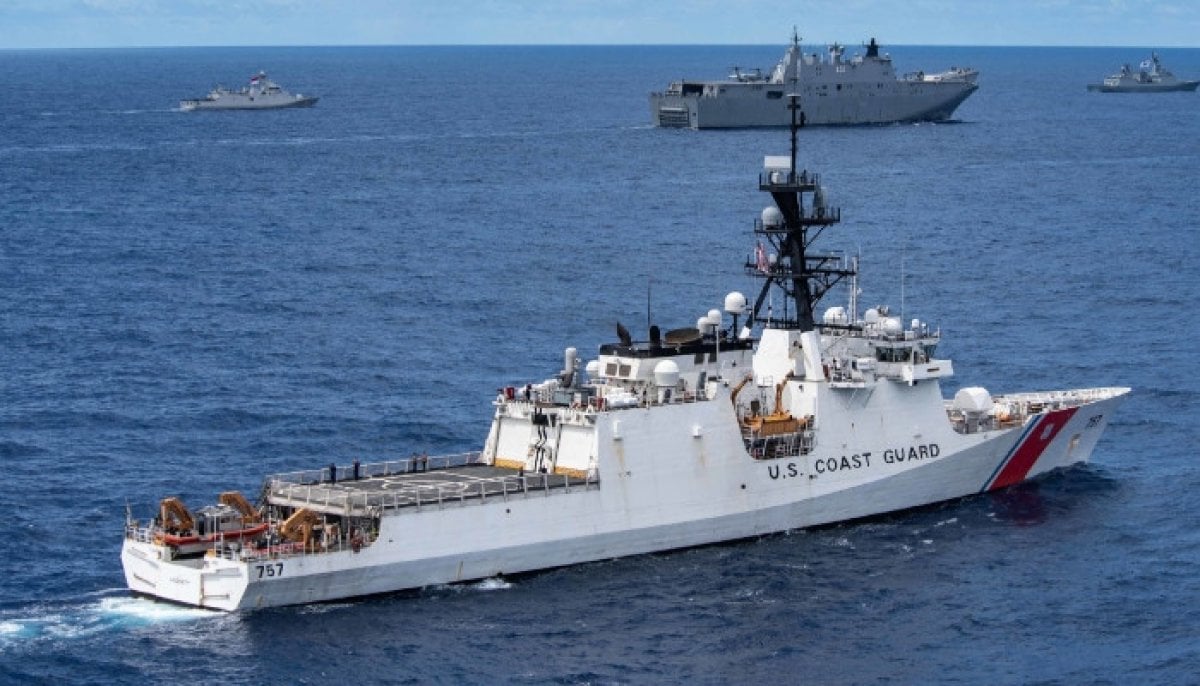 US Coast Guard seizes Cuba-bound ship carrying ‘large quantities’ of fuel
 -
 US urged to halt death penalty after Christa Pike’s failed lethal injection
 -
 Kennedy Center honors relocates to Capital One arena amid Trump naming dispute
 -
 Cornell student groups to protest university’s handling of alleged gang rape
 -
 G7 leaders convene emergency talks on diesel crunch as UK forecourt prices hit £2 a litre: report