Aid cuts put women at risk of death during pregnancy, child birth: UN
Cuts already rolling back vital services for maternal, newborn and child health in many countries, warns WHO official
LONDON: The United Nations has warned that the reduction in funding to aid budgets is threatening to undermine years of progress in reducing the number of women dying during pregnancy and childbirth, and could lead to a rise in deaths.
Globally, there was a 40% decline in maternal deaths between 2000 and 2023, a report by the United Nations agencies including the World Health Organisation (WHO) showed on Monday, largely due to better access to essential health services.
That could now go into reverse, the WHO said in a statement accompanying the report which did not mention specific cuts but came in the wake of a foreign aid freeze by the US government and the ending of funding through the United States Agency for International Development (USAID) for many programmes.
Other donor countries including Britain have also announced plans to cut aid budgets.
"One of the headline messages is that the funding cuts risk not only that progress, but we could have a shift backwards," said Dr Bruce Aylward, Assistant Director-General, of Universal Health Coverage at the WHO.
The cuts have had "pandemic-like effects" on health systems globally and could have a "more structural, deep-seated effect," Aylward added.
The WHO said the cuts were already rolling back vital services for maternal, newborn and child health in many countries, reducing staff numbers, closing facilities and disrupting supply chains for supplies including treatments for haemorrhage and pre-eclampsia.
Cuts to other areas, such as malaria and HIV treatment, would also impact maternal survival, the UN said.
Even before the aid cuts led by the US, things were backsliding in some countries, and progress has slowed globally since 2016, the report said.
In 2023, despite recent progress, a woman still died roughly every two minutes — around 260,000 in total that year — from complications that were mainly preventable and treatable, it added.
The situation was particularly bad in countries affected by conflict or natural disasters, although the US itself is one of only four countries to have seen its maternal mortality rate increase significantly since 2000, alongside Venezuela, the Dominican Republic and Jamaica.
The COVID-19 pandemic also had an impact, the report said: 40,000 more women died due to pregnancy or childbirth in 2021, bringing the total number of deaths that year to 322,000.
"While this report shows glimmers of hope, the data also highlights how dangerous pregnancy still is in much of the world today — despite the fact that solutions exist," WHO Director-General Tedros Adhanom Ghebreyesus said.


-
 Everything to know about US FDA’s new guidance on apps used with prescription drugs
 -
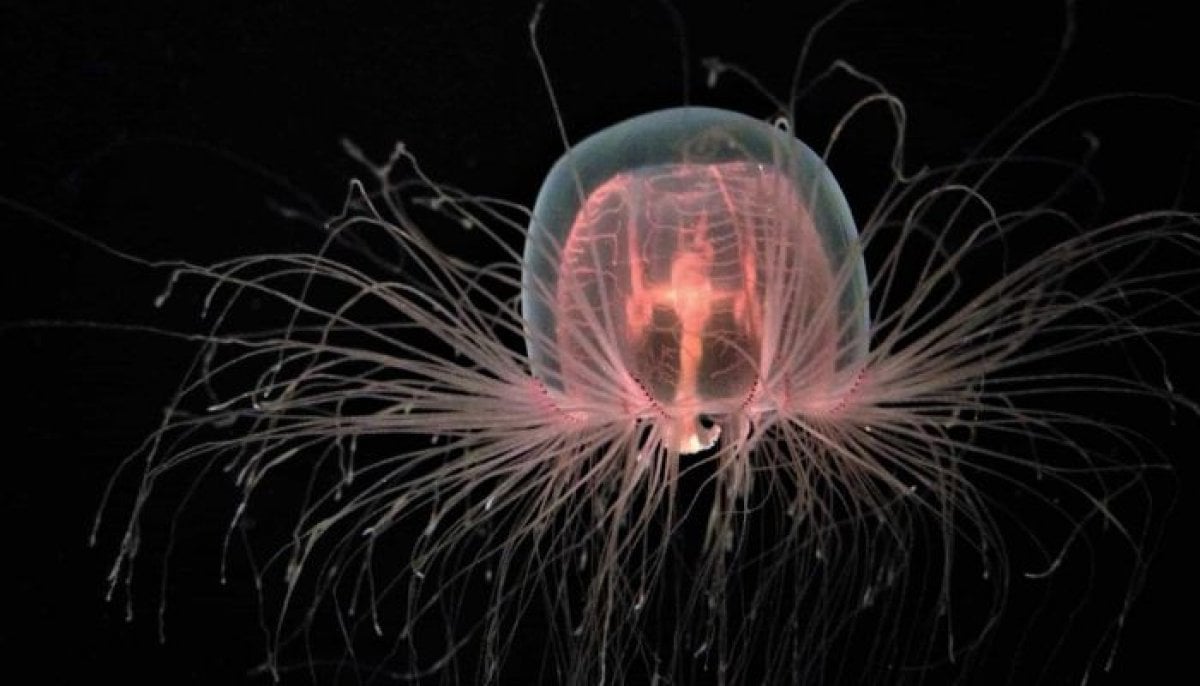 ‘Immortal’ jellyfish could hold clues to slowing human ageing
 -
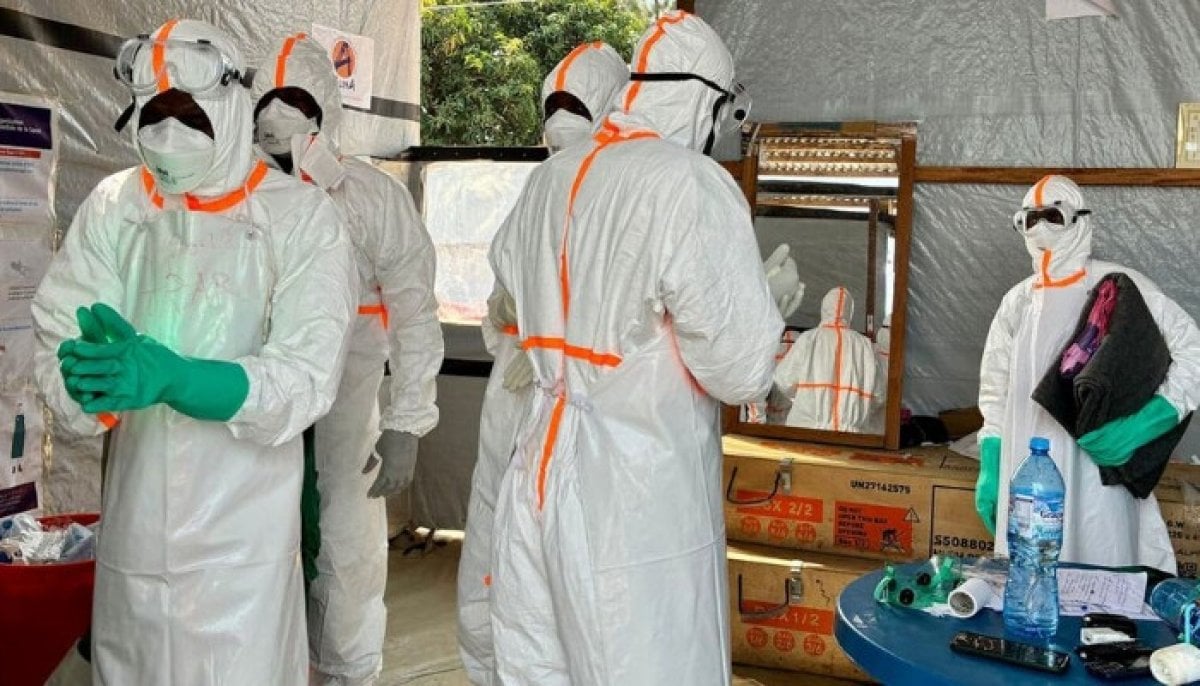 Ebola crisis worsens in DR Congo as virus reaches eighth province with over 4,500 dead
 -
 Study finds eating blueberries every day can surprisingly boost your mood
 -
 Eli Lilly’s Foundayo weight-loss pill gets European approval recommendation
 -
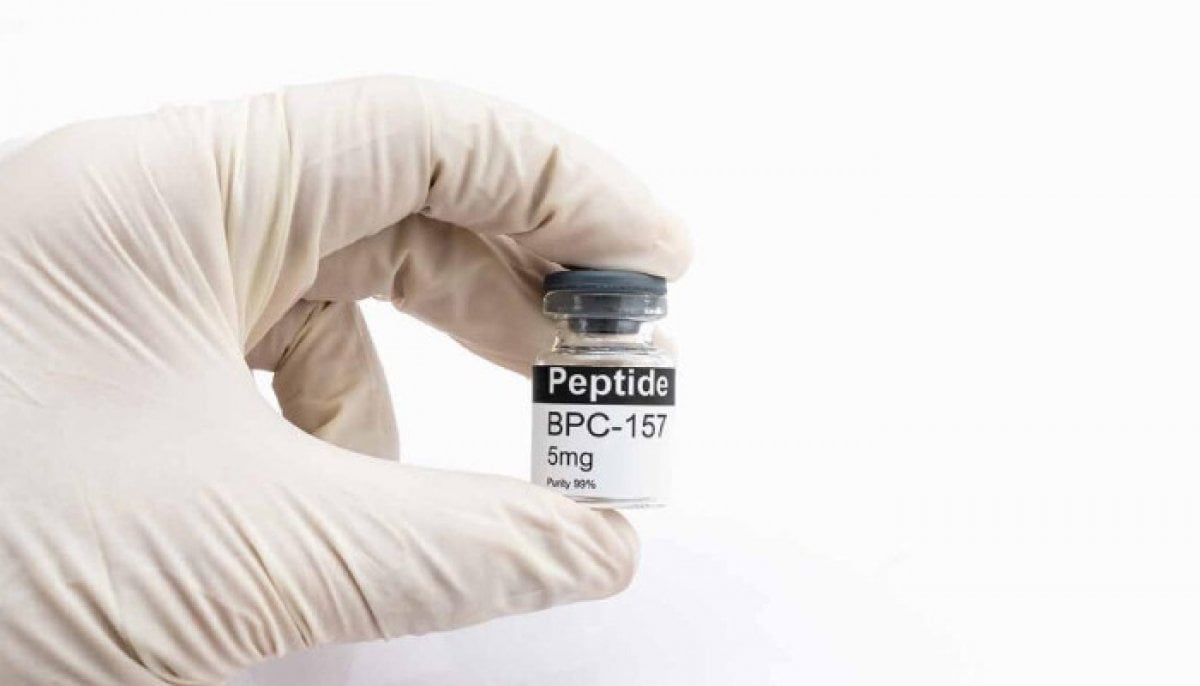 What is BPC-157? Trump administration considers easing rules on popular peptide injections
 -
 West Nile virus: Europe reports 141 deaths as human cases rise in 2026
 -
 Health Canada reviewing new mRNA flu vaccine that could prevent more hospitalisations