First solar eclipse of 2025 to occur today
Celestial event will be visible in parts of Europe, Asia, North America, South America, Atlantic Ocean

The Meteorological Department said that the first solar eclipse of this year is set to take place today (Saturday) as many people across the world gather to witness the celestial event.
The celestial event will be visible in parts of Europe, Asia, North America, South America and the Atlantic Ocean.
However, it will not be possible to see the eclipse in Pakistan and India.
According to the Met Office, the solar eclipse will begin at 1:51pm.
Moreover, the partial solar eclipse will peak at 3:47pm, as per the Met Office.
The solar eclipse will end at 5:44pm (PST), the weather department said.
Additionally, the second solar eclipse of the current year will occur on the night between September 21 and 22.
The second eclipse will also be partial.
When the Moon moves between the Sun and Earth, blocking some or all the Sun's light, a solar eclipse occurs, reported BBC.
Depending on how much of the Sun is obscured, there are different types of solar eclipses.
Moreover, it's important to ensure you're taking the proper precautions to view this celestial event safely.
It is never safe to look directly at the Sun with the naked eye as it can cause eye damage, including blindness even during a partial eclipse.
To filter out harmful UV rays and reduce the intense brightness of the Sun, solar eclipse glasses are specifically designed, making it safe to look directly at the eclipse.


-
 Japan's biggest beer brands face investigation over alleged price-fixing scheme
 -
 South Korea warns of legal action if Russia-bound fuel shipments violate domestic laws
 -
 Wealthy countries must spend ‘much more’ on climate than defence, COP31 host says
 -
 UK's Wes Streeting says, Trump's diesel deal is 'apolitical reality' ahead of midterms
 -
 Russia interfered in 2016 Brexit referendum, Andy Burnham says
 -
 Britain defends Zelenskyy as Trump blames Ukraine for rising US diesel prices
 -
 Zelensky signals willingness to accept 'energy ceasefire' but sets condition
 -
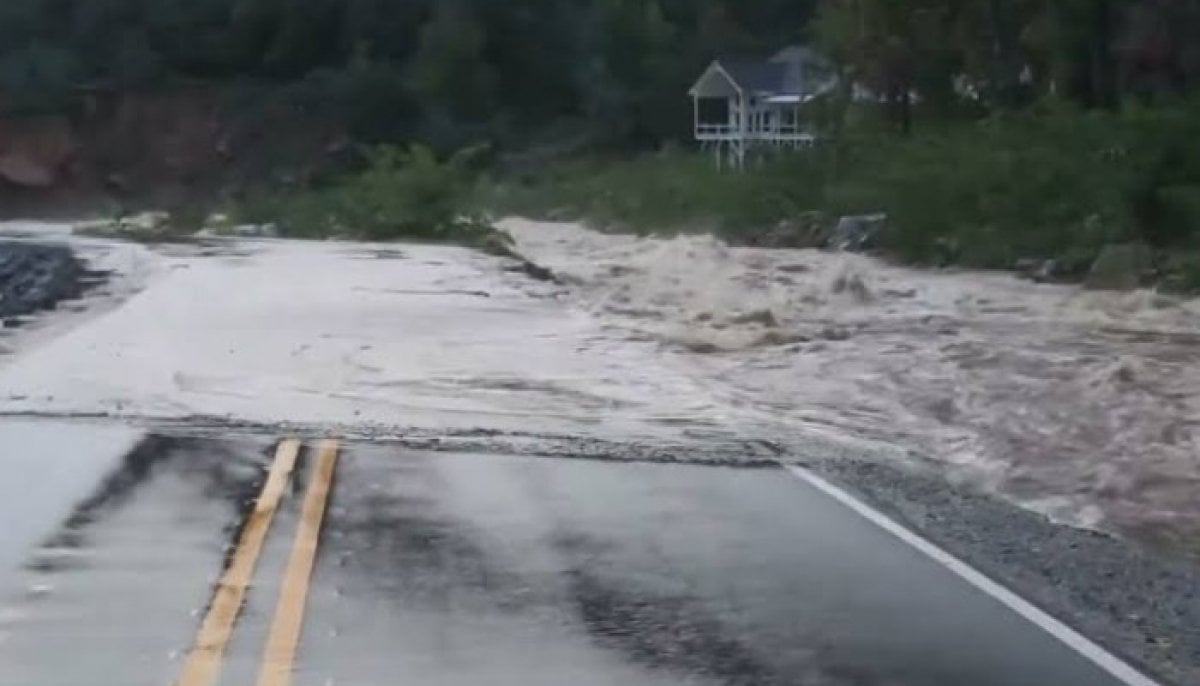 Western North Carolina faces severe flooding, landslides and power outages
-
 ICE agent caught on camera hitting man with vehicle during Houston operation
 -
France backs Carney’s handling of Trump and pushes for stronger Canada-EU alliance
-
Abdul El-Sayed accuses Trump and Mike Rogers of threatening US democracy
-
Indonesia relocates endangered Great Apes to safety after Borneo wildfires