US confirms first H7N9 bird flu outbreak since 2017
Strain has caused most damage to poultry in recent years and death of one person in US
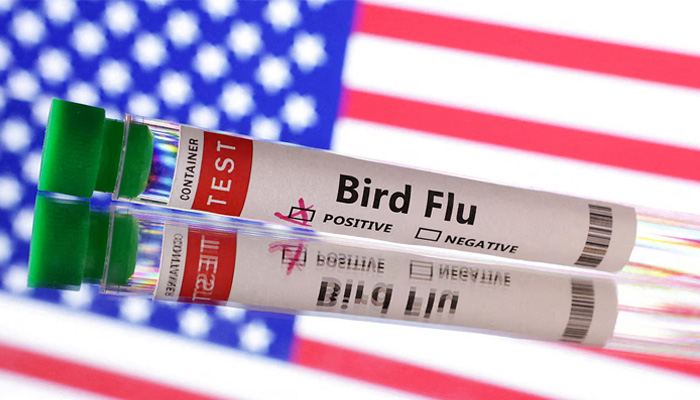
The United States reported the first outbreak of the deadly H7N9 bird flu on a poultry farm since 2017, as the country continues to grapple with another bird flu strain that has infected humans and caused egg prices to hit record highs.
The spread of avian influenza, commonly called bird flu, has ravaged flocks around the world, disrupting supply and fuelling higher food prices. Its spread to mammals, including dairy cows in the US, has raised concerns among governments about a risk of a new pandemic.
The strain that has caused most damage to poultry in recent years and the death of one person in the US is the H5N1.
The H7N9 bird flu virus has proved to have a high death rate for humans worldwide killing 616 people, or 39%, of the 1,568 people infected worldwide since it was first detected in 2013 in China, the World Health Organisation said.
The WHO has said that both forms of the bird flu virus do not appear to transmit easily from person to person.
The latest outbreak of H7N9 in the US, detected on a farm of 47,654 commercial broiler breeder chickens in Noxubee, Mississippi, was confirmed on March 13, the Paris-based World Animal Health Organisation said in a report on Monday, citing US authorities.
The Mississippi departments of agriculture and health did not immediately respond to requests for comment.
The US response to bird flu was disrupted in the early weeks of the Trump administration, when federal agencies cancelled congressional briefings and meetings with state animal health officials, according to Reuters reporting.
Some of that coordination has since resumed and the USDA says it will spend $1 billion to tackle the spread of the virus.


-
 Vance’s fraud crackdown may raise health insurance costs for Americans
 -
 One common mistake elevates blood pressure readings by 7 points, study warns
 -
 Moderna loses US government license defense in patent case
 -
 Novo says new Ozempic shows lower cardiovascular risk compared with Lilly’s Mounjaro
 -
 University of Nottingham researchers say new gel could regrow tooth enamel in weeks
 -
 New Chinese drug extends stroke treatment window from hours to 2 days: study finds
 -
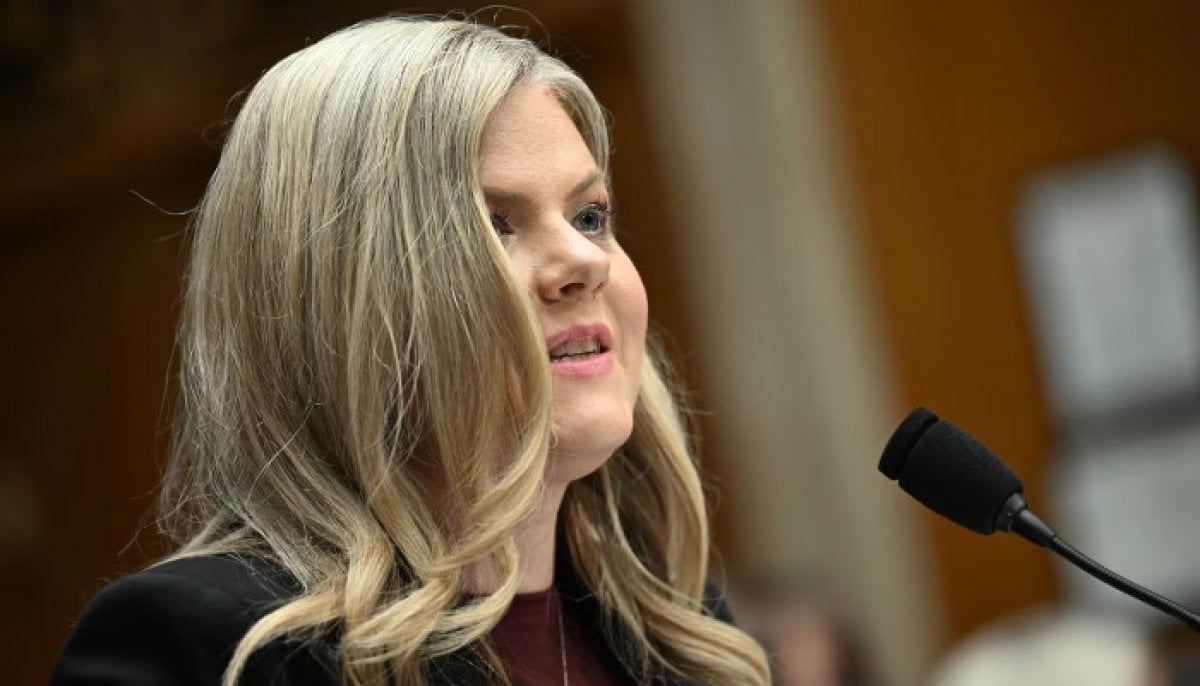 Trump’s FDA nominee Heidi Overton defends vaccines, contradicting his claims
 -
 New once-weekly insulin injection for type 2 diabetes wins FDA approval