Analysts forecast seventh consecutive key policy rate cut by SBP
Central bank's easing cycle follows series of rate cuts totalling 1,000bps over six months
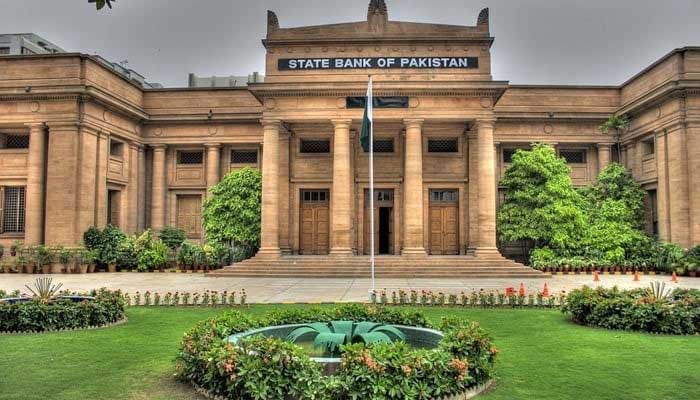
As the Monetary Policy Committee (MPC) is set to meet on Monday, most analysts forecast a seventh consecutive rate cut by the State Bank of Pakistan (SBP) amid the first International Monetary Fund (IMF) review of a $7 billion bailout.
The cash-strapped South Asian nation could unlock a further tranche of funding if the IMF review is approved before the budget is unveiled in June, as it pursues economic reforms mandated by the IMF programme.
The central bank's easing cycle, one of the most aggressive among emerging markets, follows a series of rate cuts totalling 1,000 basis points (bps) over six months, that took the key rate to 12%, down from a record high of 22% in June.
The latest cut, of 100bps, was in January.
February inflation stood at a near-decade low of 1.5%, largely due to a high base a year ago.
A Reuters survey of 14 analysts suggests that the central bank may further reduce rates, with a median forecast for a cut of 50bps.
Of the 10 analysts expecting a rate cut, three estimated its size at 100bps, one at 75bps, and six at 50bps. The rest saw no change.
Most analysts expecting a rate cut believe the central bank will stop when rates hit 10.5% to 11%, due to a potential rise in inflation. They anticipate a moderate rise from March to May.
Inflation will "bottom out" in the year's first quarter before gradually rising, said Ahmad Mobeen, senior economist of S&P Global, who anticipates average inflation of 6.1% for 2025.
Despite the "sharp drop" in the Consumer Price Index (CPI), he said urban core inflation, indicative of price pressures, remained high, at 7.8%.
"The S&P Global HBL Pakistan Manufacturing PMI also indicates rising input costs, pushing manufacturers to hike prices in February 2025 at the fastest pace since October 2024," he added.
At its last policy meeting, the central bank kept its forecast of full-year GDP growth at 2.5% to 3.5%, and predicted faster growth would help boost foreign exchange reserves that had been lacklustre.
"While GDP posted 0.9% growth in the first quarter of fiscal year 2025, large-scale manufacturing remains in negative territory, and production has yet to gain momentum," said Sana Tawfik, head of research at Arif Habib Limited.
"The transmission of lower rates to economic activity is yet to be seen."
The target was only possible if industrial activity picked up and agricultural output improved, she added.


-
 Hyundai to recall nearly 100,000 US vehicles over fire risk from overheating
 -
 Will Tesla and SpaceX merge? Barclays expects announcement ahead of December meeting
 -
 GSK eyes over 1,200 Belgian job cuts in cost-saving drive
 -
 Netflix slashes 1,000 jobs: What’s behind the cuts?
 -
 Anthropic to reveal new revenue figures as AI financial race heats up
 -
 HSBC to phase out fixed-pay allowances by 2028 in major compensation overhaul
 -
 TotalEnergies expands US renewable venture with KKR in $1.2B solar portfolio deal
 -
 Australian telecom shares tumble as SpaceX moves closer to direct-to-cell market
-
 World Bank in crisis aid talks with dozens of nations amid global shocks
 -
Deutsche Bank chief explains why German election results alarm foreign investors
-
China orders development of national blockchain network in economic blueprint: Here’s why
-
Tesla renames 'full self-driving' to 'assisted driving' in Europe: What to know