Biological age of organs can predict risk of health conditions: study
Study finds that faster ageing of specific organ increases likelihood of diseases affecting whole body
A team led by researchers at University College London in the United Kingdom has made a finding that a blood test to detect the biological age of organs can predict the risk of health conditions years, or even decades later.
It was found by their study, which was published in The Lancet Digital Health, that faster ageing of a specific organ increases the likelihood of diseases affecting the whole body, reported Medical News Today.
Board-certified interventional cardiologist Cheng-Han Chen, who was not involved in this research, explained for Medical News Today that individuals who had larger organ age gaps were at risk for developing diseases later in life.
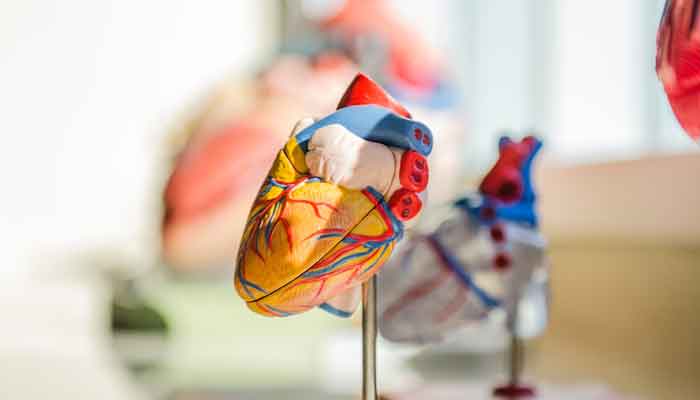
For example, a higher heart-age gap was linked with a higher risk of heart disease later in life.
However, it was also found by the researchers that advanced ageing in a specific organ increased the risk of multi-organ illnesses, and that rapid ageing in more than one organ increased the risk of disease in a single organ.
Moreover, the effects of cellular ageing were widespread, with faster-ageing organs associated with greater mortality.
Professor of public health at New Mexico State University Jagdish Khubchandani, who is not involved in this study, explained how organs might affect each other.
“For me, the most interesting finding was on how ageing of one organ affects disease probability and ageing of other organs,“ he told Medical News Today.
“It makes some sense as these organ functions affect each other,“ Khubchandani said.
He added: “Also, there are shared immune, genetic, vascular, and inflammatory mechanisms. But, from a practice standpoint, these interrelationships will make preventive practice and therapy development challenging. Still, this was a much-needed investigation with many novel findings.”
Age gaps, which were observed within the immune system were strongly associated with the later development of dementia as well as a rapidly ageing intestine was the strongest risk factor for Parkinson’s disease.


-
 Everything to know about US FDA’s new guidance on apps used with prescription drugs
 -
 ‘Immortal’ jellyfish could hold clues to slowing human ageing
 -
 Ebola crisis worsens in DR Congo as virus reaches eighth province with over 4,500 dead
 -
 Study finds eating blueberries every day can surprisingly boost your mood
 -
 Eli Lilly’s Foundayo weight-loss pill gets European approval recommendation
 -
 What is BPC-157? Trump administration considers easing rules on popular peptide injections
 -
 West Nile virus: Europe reports 141 deaths as human cases rise in 2026
 -
 Health Canada reviewing new mRNA flu vaccine that could prevent more hospitalisations