WHO concerned over US actions hindering polio eradication
“If funding shortfall continues, it may potentially delay eradication," says official
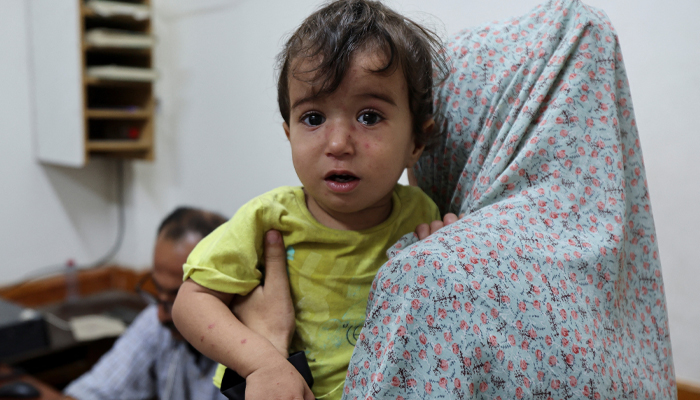
LONDON: The elimination of poliovirus as a global health threat might be delayed unless US funding cuts, which potentially equals to hundreds of millions of dollars over several years, are reversed, a senior World Health Organisation (WHO) official has said.
The WHO works in collaboration with groups such as UNICEF and the Gates Foundation to fight against polio. US's withdrawal from the global health body has impacted efforts, including stopping work with the US Centers for Disease Control and Prevention.
Last week, UNICEF's polio grant was terminated as the State Department cut 90% of USAID's grants worldwide to align aid with President Donald Trump’s "America First" policy.
In total, the partnership is missing $133 million from the US that was expected this year, said Hamid Jafari, director of the polio eradication programme for the WHO’s Eastern Mediterranean region.
The area includes two countries where a wild form of polio is spreading: Afghanistan and Pakistan.
“If the funding shortfall continues, it may potentially delay eradication, it may lead to more children getting paralysed,” he said, adding that the longer it took to end polio, the more expensive it would be.
He said the partners were working out ways to cope with the funding shortage, which will largely impact personnel and surveillance, but hoped the US would return to funding the fight against polio.
“We are looking at other funding sources [...] to sustain both the priority staff and priority activities,” he said.
He said vaccination campaigns in both Afghanistan and Pakistan would be protected.
UNICEF did not respond to requests for comment, and a spokesperson for the Gates Foundation reiterated that no foundation could fill the gap left by the US. Saudi Arabia gave $500 million to polio eradication last week.
The partnership already faces a $2.4 billion shortfall to 2029, as it accepted last year that it would take longer, and cost more, to eradicate the disease than hoped.


-
 Scientists discover hidden drainage route at the back of the eye
 -
 WHO confirms death at Russian research lab, says no plague case registered
 -
 Getting a $90 check from Social Security? Here’s why
 -
 Measles cases in US top 4,000 nationwide, CDC reports
 -
 Sexually transmitted diarrhea spread in US, UK: Why antibiotics are failing against Shigella
 -
 Who is Song Li? China puts her forward for WHO leadership role
 -
 CDC monitors travelers from Siberia after plague worker’s death, director says
 -
 Russia pushes back on plague death reports, defends WHO notification