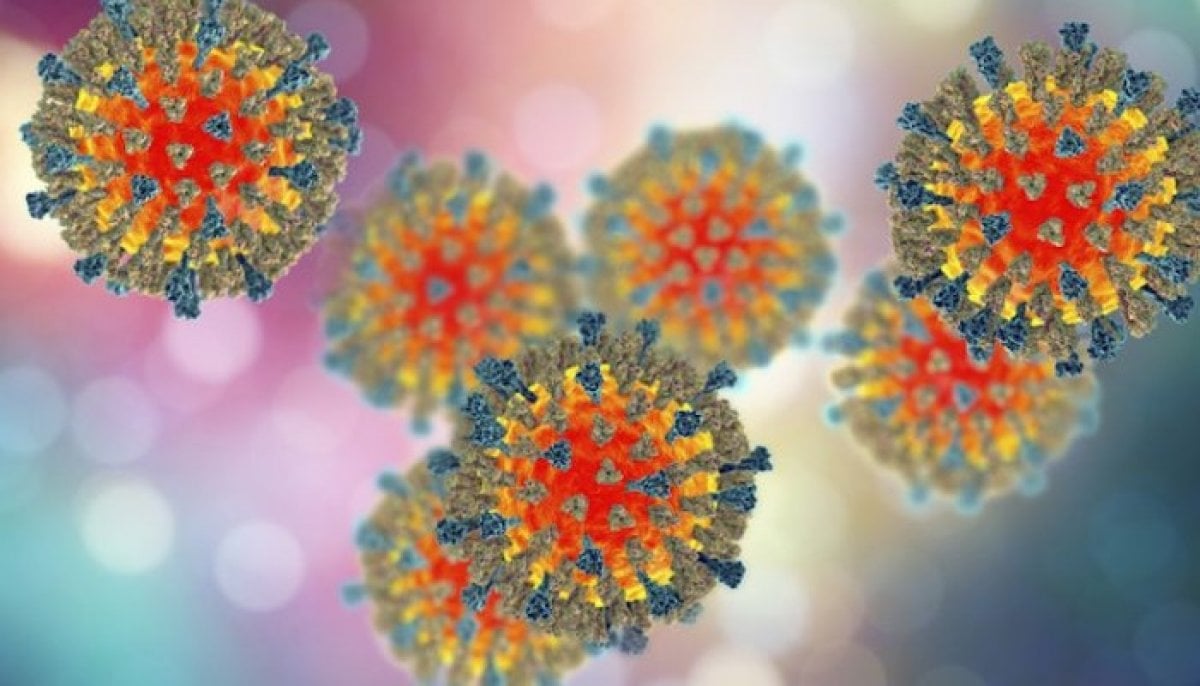
Rawalpindi patient catched viral infection, not MERS-CoV: official
"Patient has been discharged after his recovery and testing negative for MERS-CoV,” says doctor
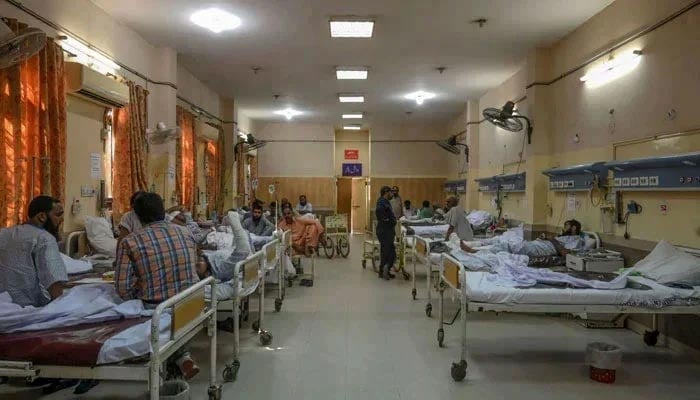
RAWALPINDI: The patient who was thought to have contracted Middle East Respiratory Syndrome-Coronavirus (MERS-CoV) in Rawalpindi was actually suffering with a viral infection, said a health official on Saturday.
Muhammad Ameen, who hailed from Punjab's Kharian, had returned from a Middle Eastern country a month ago.
MERS-CoV — not to be confused with COVID-19, commonly known as the coronavirus, pandemic — is a viral respiratory illness first identified in 2012, and has been reported in 27 countries.
However, Medical Superintendent of Benazir Bhutto Hospital (BBH) Dr Tahir Rizvi said MERS-CoV was not detected in the patient.
“The patient has been discharged after his recovery and testing negative for MERS-CoV,” the official said.
Following suspicion of Ameen’s contracting MERS-CoV, at least 40 members of his family were tested for the virus.
The 55-year-old was transferred to BBH in Rawalpindi on September 5, where he remained in the Intensive Care Unit (ICU) for several days. He was kept in isolation.
The MERS-CoV disease has a mortality rate of around 36%, although this figure may be inflated due to the underreporting of mild, undetected cases.
Symptoms of MERS-CoV include fever, cough, and difficulty breathing, with some patients developing severe respiratory distress. The mortality rate is particularly high among those with underlying health conditions, such as diabetes or chronic lung disease.
The infection is usually diagnosed through laboratory testing of respiratory specimens, but early detection remains challenging due to the nonspecific nature of its initial symptoms, which often resemble those of other respiratory illnesses.
Human-to-human transmission has been linked to delays in recognising symptoms and implementing isolation measures, highlighting the critical need for early detection and swift responses to potential cases.
As the world continues to battle respiratory infections, including COVID-19, maintaining awareness of MERS-CoV remains crucial. Public health education, hygiene practices, and responsible interactions with camels are key to preventing the spread of this dangerous virus.


-
 Study identifies key cause of fatigue and brain fog
 -
 Apple’s screenless fitness tracker plans revealed: What to know
 -
 Rabies concerns grow in US, sparking health warnings over fatal virus
 -
 This popular cooking garnish may offer surprising benefits for brain health
 -
 Was the human brain once two separate organs? Scientists find new clues
 -
 Novo Nordisk partners with Anthropic to accelerate AI-powered drug discovery
 -
 Congo Ebola outbreak reaches turning point as daily infections fall
 -
 Study reveals why some babies are born with heart defects
-
 Third measles-associated death reported as Pennsylvania outbreak reaches 676 cases
 -
Cyclosporiasis outbreak: US officially ends largest outbreak linked to contaminated lettuce
-
Hot beverages increase risk of cancer? New research provides in-dept details
-
Highest-level recall issued for potato chips over banned ingredient posing death risk