VIDEO: Sheikh Mujib's statue in Dhaka vandalised after fall of Hasina's govt
Infuriated people smash statues and defile murals of Sheikh Mujib, father of Sheikh Hasina

As Bangladesh drove into a new phase after the country's army announced an end to the Sheikh Hasina-led government, hundreds of people on Monday broke into joyous frenzy on roads across the country a day after almost a hundred people, including 14 cops, were killed.
Addressing the nation earlier today, Army chief General Waker-Uz-Zaman announced that the 76-year-old prime minister had left the country, adding that an interim government would be formed.
Media reports said that she had fled the country on board a military helicopter along with her sister. She is reportedly in an Indian state.
Following the announcement of an end to her government, law enforcers, including police and soldiers with armoured vehicles, barricaded routes to Hasina's office with barbed wire.
However, huge jubilant crowds stormed the prime minister's palace in Dhaka while waving flags on the streets of the capital city. People, expressing their exasperation against the Hasina-led rule, broke through the gates of her official residence — 'Ganabhaban'. Television visuals showed people shouting celebratory slogans, while pumping their fists and showing victory signs.
Infuriated people vandalised several statues, pictures and murals of Sheikh Mujibur Rahman, father of Sheikh Hasina and former president of the South Asian country in the capital city.
Visuals of protesters in Dhaka went viral as they climbed atop a large statue of leader, Sheikh Mujib, and began smashing it with a hammer in the head with an axe.
Local media reported that as many as 400,000 people were on the streets after the fall of the Hasina-led government, according to a careful estimate. However, it was impossible to verify the figure.
The Hasina government collapsed on the back of riots — one of the worst in the country's history of 50-odd years.
Almost 300 people were killed and thousands of others injured in the recent violence that started in early July. Sunday became the deadliest as 98 people, including 14 police officers, were killed in the unrest.
The protesters launched their rallies last month, demanding the government abolish civil service job quotas. However, the large-scale demonstrations escalated into the worst unrest of Prime Minister Hasina's 15-year rule, with protesters later calling on the 76-year-old to step down.


-
 IMF chief warns AI risks could outweigh benefits without proper safeguards
 -
 China ready to cooperate with EU on global economic imbalances
 -
 UK rejoining EU within months? MEP points to ‘Switzerland Plus’ deal
 -
 Zelenskyy courts Europe as Trump delivers blunt verdict on Ukraine leader
 -
 Russia targets European firms as Zelenskiy heads to EU summit
 -
 Congresswoman Ilhan Omar citizenship row: What Trump officials found in 2019 review
 -
 Germany commits €50 Million to help Ukraine restore Chernobyl facility
 -
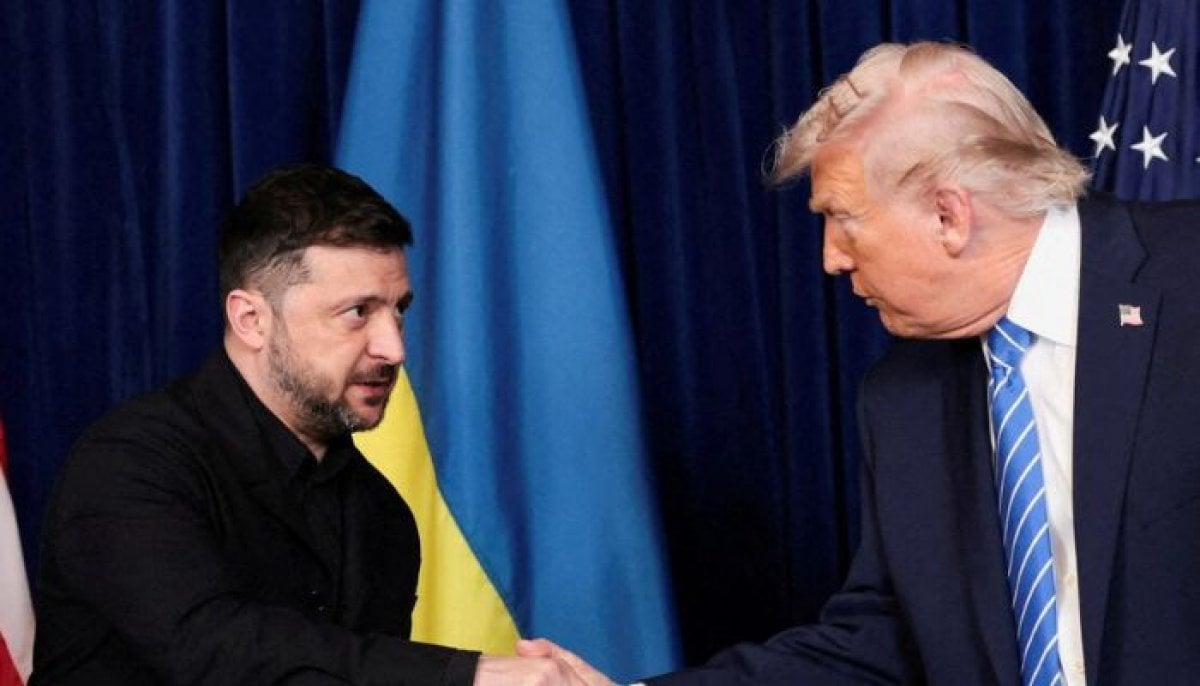 Trump questions Zelenskyy’s role in Ukraine peace talks: ‘Not a good guy’
-
 G7 finance leaders agree to simulate AI cyberattacks after IMF warning
 -
Canada at risk? Mark Carney warns as Alberta separation vote nears
-
AOC calls for political unity while campaigning for Abdul El-Sayed in Michigan
-
Ukraine resumes Russian oil strikes amid Starlink restrictions and US intelligence concerns