Scientists discover 200-million-year-old dinosaur ecosystem
Fossils reveal dinosaurs roamed 200 million years ago in a lost prehistoric ecosystem
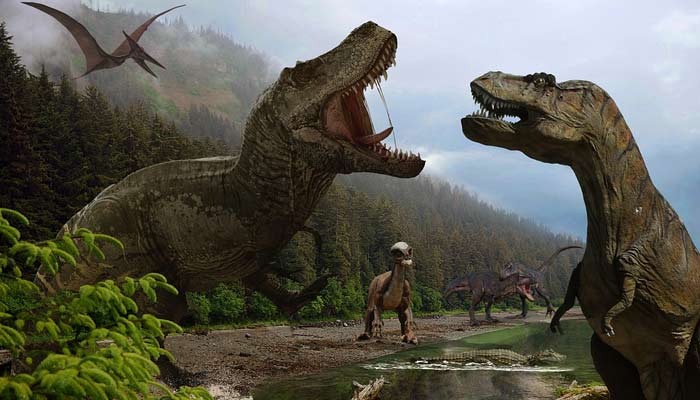
Scientists, studying a fossil site of “unique importance”, have learnt about a lost prehistoric ecosystem which was home to dinosaurs over 200 million years ago.
At Lavernock on the south coast of Wale in the United Kingdom, a team of palaeontologists described and analysed fossil beds for a study published in the Proceedings of the Geologists’ Association.
These fossil beds have been dated back to the Triassic period, which lasted from roughly 252-201 million years ago. This was the same period when the dinosaurs first appeared.
"The bone beds there have been known since the 19th century, but had yet to be investigated by modern paleontologists," Owain Evans, lead author of the study with the University of Bristol in the UK, told Newsweek.
"We hoped to officially record the geological strata, and further understand the fossil fauna—what was the local ecology like 200 million years ago?" he added.


-
 US Navy helicopter goes down in Arabian Sea; One missing
 -
 Gun violence rocks World Cup celebration as US city's mayor takes drastic action
 -
 UK woman faces possible lifetime ban from owning dogs over alleged heartless act
 -
 Kemi Badenoch challenges Starmer over £298bn Defence Investment Plan at PMQs
 -
 Trump hails progress in US-Iran talks: ‘Getting along very well’
 -
 Two killed in light aircraft crash in Essex, England
 -
 Trump’s Hormuz operation sparks the biggest rift in US-Saudi relations in years: Here’s why
 -
 Netanyahu seeks to end US financial aid to Israel within decade: What’s behind the plan?
-
 Who is Melat Kiros? Democratic Socialist defeats 15-term incumbent in Colorado primary
 -
How Trump earned more than $1 billion from crypto after returning to the White House: Report
-
Why foreign investors are buying Canadian government bonds in record numbers
-
Police lay charges against 11 teens following Nooran Rezayi shooting investigation