Nasa launches crucial mission into space
Nasa to study climate change affects with its shoe-sized satellite equipped with sensors
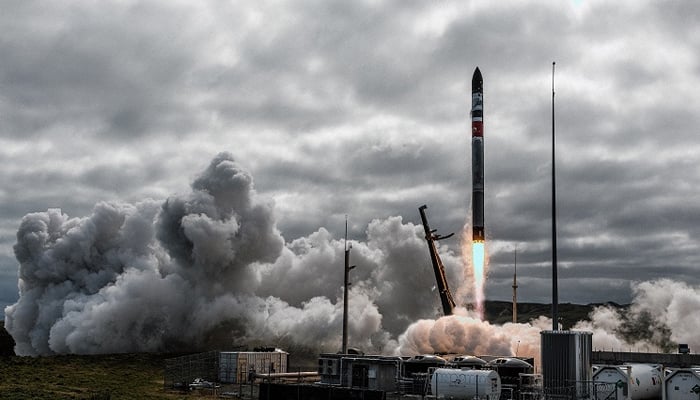
In a bid to determine the heat escaping the Earth, the US space agency Nasa has lifted off a satellite to study the Arctic and Antarctica, reported CNN.
The satellites were launched with the help of a Rocket Lab Electron rocket from Mahia, New Zealand, and they were deployed at 4:35am ET.
According to Nasa, the information will inform climate models and hopefully lead to better predictions of how the climate crisis will affect sea levels, weather, snow and ice cover.
The mission called Polar Radiant Energy in the Far-InfraRed Experiment (PREFIRE) is focused on better understanding the atmosphere of Earth and how elements are involved in trapping heat in our planet.
Nasa stated that after absorbing energy in the tropics from the Sun, weather and ocean currents move that heat toward the poles, where it radiates upward into space. Some of such heat has never been measured.
The mission, Nasa said, is made up of two CubeSats fitted with specialised miniature heat sensors. The second launch will be announced after the launch of the first.
After being launched, both of the satellites will be in asynchronous near-polar orbits — passing over a specific spot at different times, observing the same area within hours difference.
This is how Nasa would gather information about phenomena taking place on a short time scale and require consecutive monitoring including how cloud cover affects the temperature on Earth.


-
 Starship flight 14: Why SpaceX’s first-ever orbital test matters to NASA’s Artemis
 -
 New study explains 364-day Qumran calendar puzzle
 -
 Why does time feel faster as you age? Science explains
 -
 Scientists name newly discovered snake after Guns N' Roses' Slash
 -
 SpaceX secures three new NASA crew flights: What to know
 -
 Sovereign AI fund in talks to back Political Sciences: What to know
 -
 What recent discovered Moon Crater Means for Future Astronauts
 -
 Scientists discover new wild cat species in Bolivia for the first time in a century