Pakistan, Japan to compete for Azlan Shah Hockey Cup title in final today
Match will commence at 5:30 pm in Ipoh, Malaysia as both undefeated sides aim to secure coveted title
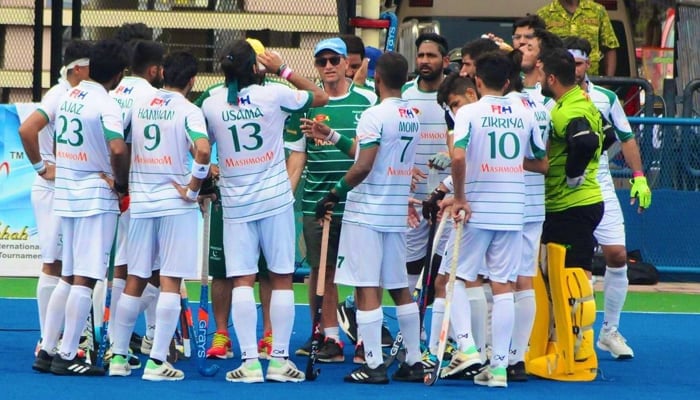
Pakistan and Japan will face each other in the much-anticipated final of the Sultan Azlan Shah Cup 2024 today.
The match, set to kick off on at 5:30 pm, will see both teams vying to secure the trophy of the coveted title after remaining unbeaten throughout the tournament.
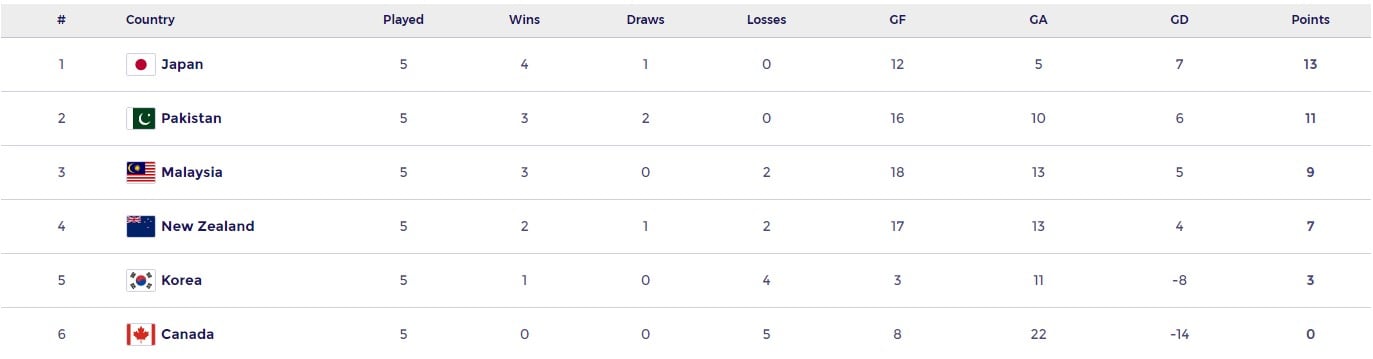
Currently, Japan are the top ranked team on the points table with 13 points by winning four matches and drawing one.
Whereas, the national side is ranked second with 11 points with three wins and two draws, including the one against New Zealand on Friday.
The match will be broadcast live on Geo Super.
Shedding light on Pakistan’s opponents in the final, forward Abdul Hannan Shahid said that Japan’s defensive line is extremely solid. Japan have only conceded four goals, the fewest in the tournament so far, in as many matches.
"Japan are defensively very solid and they don’t give many openings to their opponents,” he said.
"As far as the attack is concerned, they might not be as creative as some of the other teams but they are quite effective in taking advantage of their opponents’ mistakes on the field."
"Pakistan have scored a high number of goals but at the same time, we are conceding at the other end as well. However, we will try to rectify our defensive flaws in the remaining matches," he added.


-
 Northern Olympics plan: John Healey set to announce £7m in funding
 -
 NFL House in Paris closes amid fears of street protests
 -
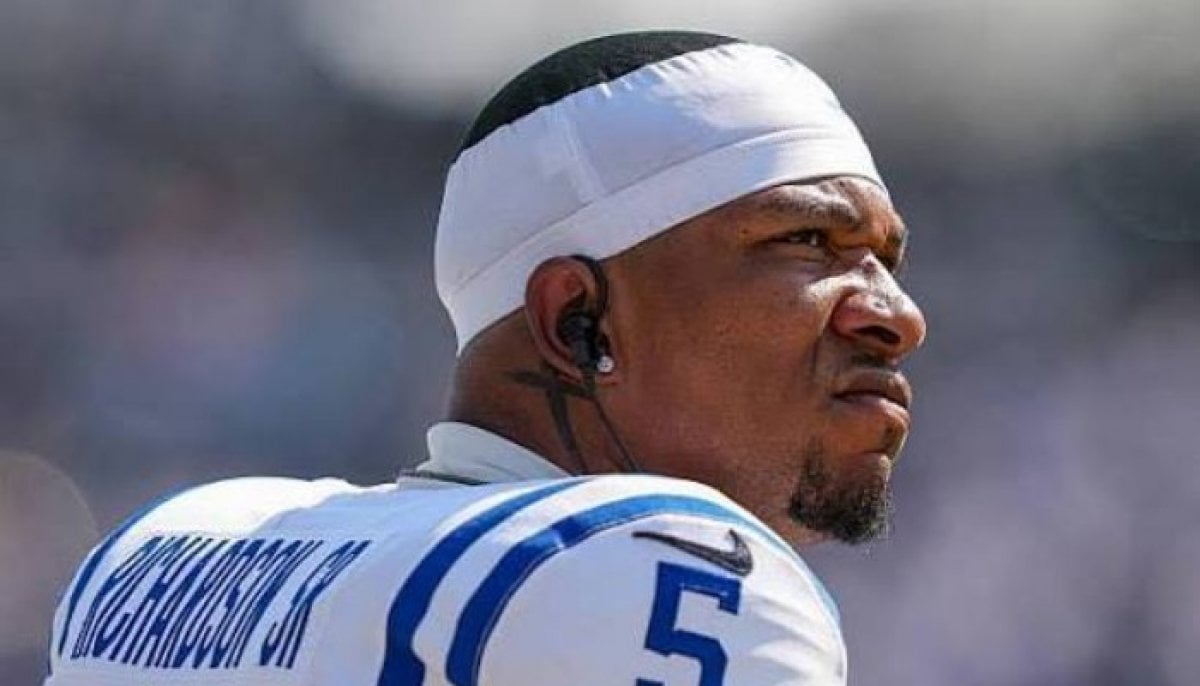 Colts star Anthony Richardson Sr. charged with marijuana possession in Indiana
 -
 Gianni Infantino re-election bid gets a boost from Asia after u-turn
 -
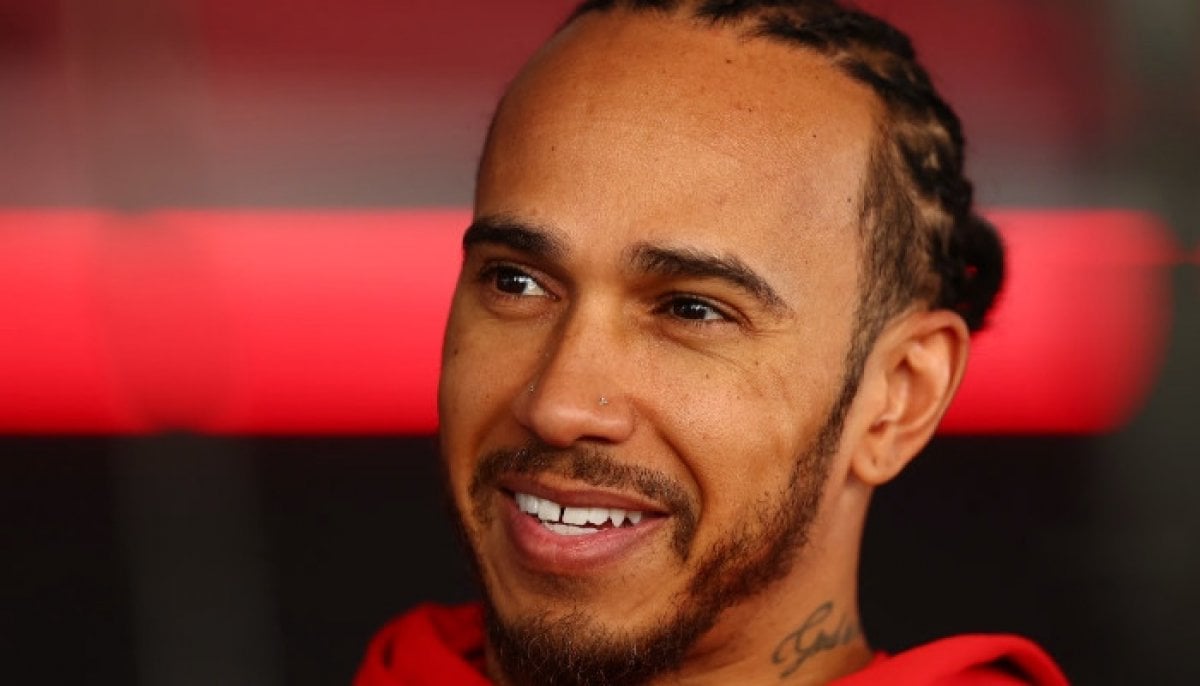 Lewis Hamilton says he won’t retire till his mid-40s to achieve African Grand Prix dream
 -
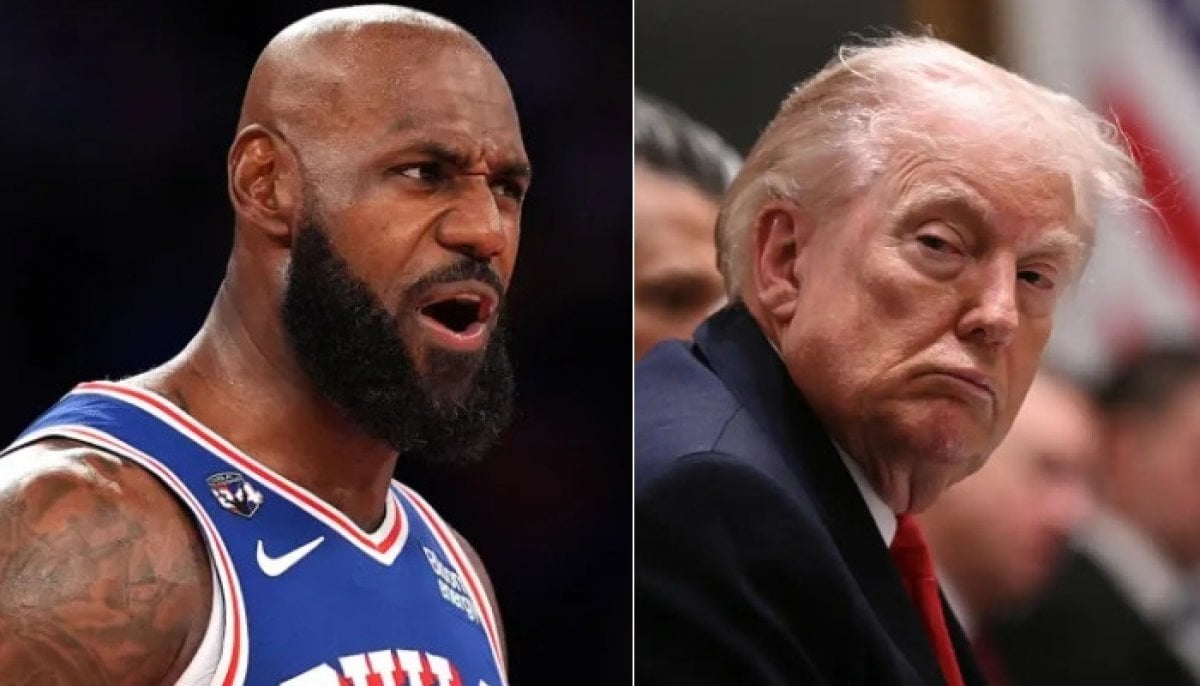 Trump demands LeBron James apologise after his national anthem video sparks outrage
 -
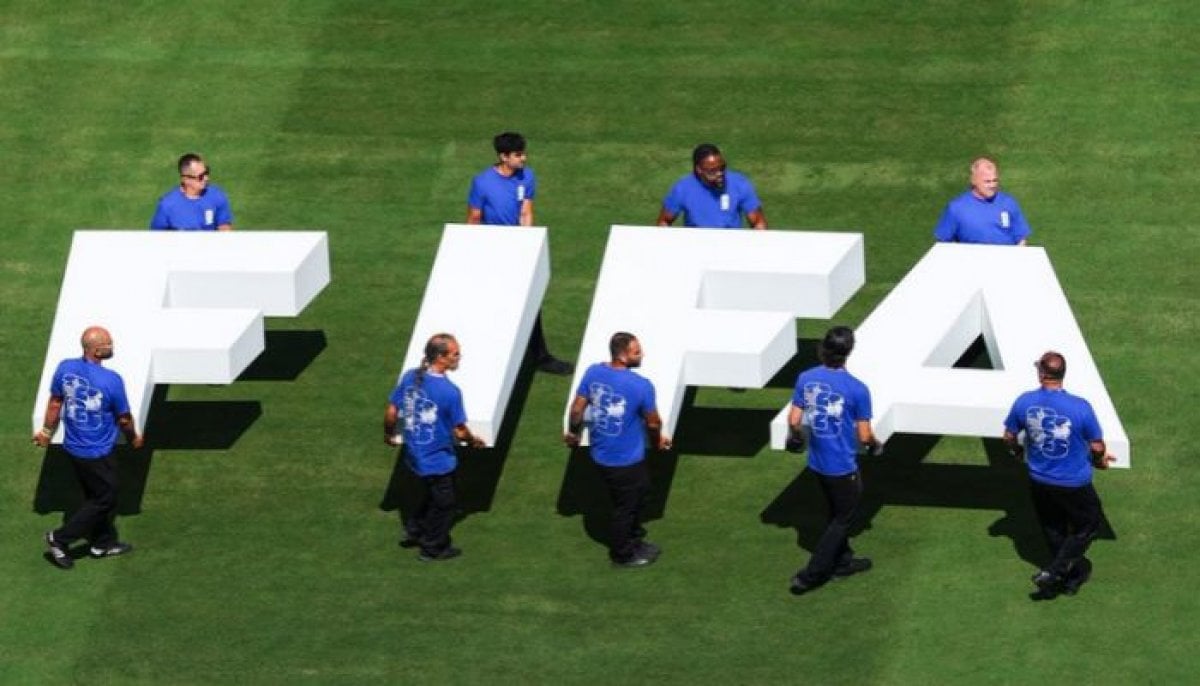 FIFA opens bidding for US broadcast rights for 2030, 2034 World Cups
 -
 WNBA finals teams skip anthem for third straight game
-
 Yaxel Lendeborg reveals why he ‘lost all respect’ for Luka Doncic
 -
Erik ten Hag reveals the breaking point in his relationship with Cristiano Ronaldo
-
Michael Robinson apologises to Jalen Hurts after accusing him of faking injury
-
Eagles QB Jalen Hurts to miss rest of NFL season, due to blood clots in both lungs