Eta Aquarids: How to watch the annual meteor shower?
Here's everything you need to know about the shooting star show that will grace the sky tonight
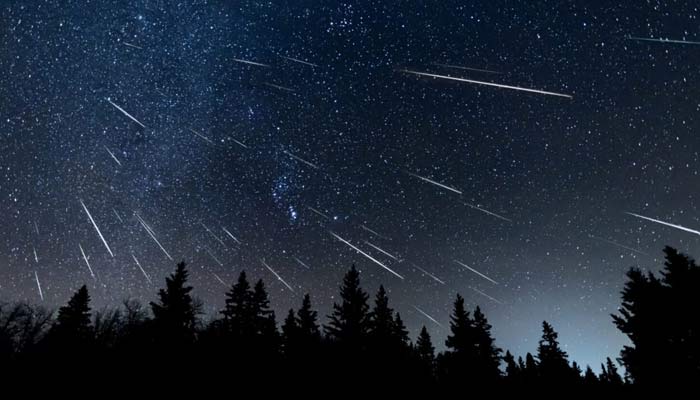
After the epic total solar eclipse, earthlings should get ready as another celestial event is going to take place, Yahoo News reported.
As the earth passes through the remnants of Halley’s comet, spectators will get to witness the Eta Aquarid's meteor shower this weekend which is set to be visible in both Northern and Southern hemispheres.
What is Eta Aquarids meteor shower?
Meteor showers occur when the earth passes through the path of a comet, causing numerous meteors or small comet debris to create a streak of light in the night sky. This is also known as shooting stars.
The Eta Aquarids meteor shower is named after the constellation Aquarius where the event will occur.
Where can you witness Eta Aquarids?
According to reports, the shooting stars will be the clearest in the Southern Hemisphere near the equator line.
However, it will be visible from both, the northern and southern hemisphere including the United States today (Sunday), during the night time is expected to best time to view them.
What do I need to view Eta Aquarids?
There's no need to wear special glasses, as in an eclipse. However, Nasa recommends "lying flat on your back with feet facing east and look up, taking in as much of the sky as possible".


-
 Starmer apologizes to families affected by decades of forced adoption of policies
 -
 White House prepares voluntary standards for advanced AI releases
 -
 Europe on ‘red alert’ as wildfires rage across Southern France amid record temperatures
 -
 Most Americans support social media ban for children under 16, survey finds
 -
 Trump reignites NATO spending row with sharp criticism of European allies
 -
 Russia launches massive strike on Ukraine as Poland scrambles jets Finland tightens airspace
 -
 Why is Iran warning oil tankers in Strait of Hormuz?
 -
 EU raises alarm over China's new ethnic unity law targeting people overseas