
Apple iOS 17.4: Protect your stolen iPhone data in 5 easy steps
Apple's "Stolen Device Feature" in iOS 17.4 protects data in case of phone getting stolen
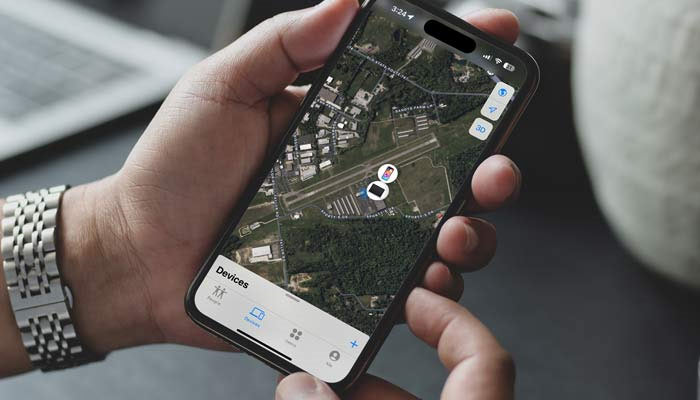
With the new iOS 17.4 update, Apple has introduced some new features and bug fixes like extra emoji’s, virtual cards for Apple cash and has granted more control to you over your stolen iPhone’s data, Cnet reported.
It has added more options and controls in its "Stolen Device Protection" settings.
According to Support Apple, the Stolen Device Protection is a security feature designed to protect your data stored in phone in case of being stolen.
When enabled it helps protect you accounts and personal information from getting into the wrong hands.
The feature first introduced in iOS 17.3, only protects a handful of your settings and data.
When enabled, some sensitive operations and actions such as changing face id require additional security requirements when your iPhone is away from familiar locations such as home or work.
When away from home, the new feature will require you to enter your biometric information once, wait one hour, and then enter your information a second time to access it.
In the event of your phone getting stolen, this feature stops thieves from making any critical changes.
How to enable the new iOS 17.4 Stolen Device Protection feature?
- Go to Settings
- Select Face ID & Passcode
- Scroll down and click on Stolen Device Protection
- To enable, click on the toggle next to Stolen Device Protection
- Lastly, tap "Always" under Require Security Delay




-
 Shanghai Fusion ‘Artificial Sun’ achieves groundbreaking results with plasma control record
 -
 Polar vortex ‘exceptional’ disruption: Rare shift signals extreme February winter
 -
 Netherlands repatriates 3500-year-old Egyptian sculpture looted during Arab Spring
 -
 Archaeologists recreate 3,500-year-old Egyptian perfumes for modern museums
 -
 Smartphones in orbit? NASA’s Crew-12 and Artemis II missions to use latest mobile tech
 -
 Rare deep-sea discovery: ‘School bus-size’ phantom jellyfish spotted in Argentina
 -
 NASA eyes March moon mission launch following test run setbacks
 -
 February offers 8 must-see sky events including rare eclipse and planet parade