Insect exodus: Ants in Colorado are on the move due to climate change
Insect apocalypse nears as ants reshuffle in warming canyon
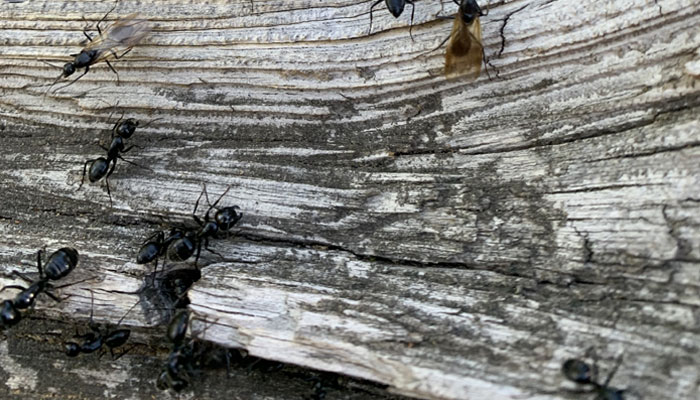
A new study reveals a dramatic shift in ant populations deep within Colorado's Gregory Canyon, primarily caused by climate change, Phys.org reported.
Researchers at the University of Colorado Boulder used data from a 1950s survey to conduct their recent findings. "This, in part, is what made our study so special," analyzes lead author Anna Paraskevopoulos. Differently from most studies, minimal development at Gregory Canyon exacerbated the effects of climate change experienced by the team.
Through their research, they reveal a worrisome image. Although some ant tribes made it through by enlargement of the area they governed some went completely extinct. However, it is known that those with looser temperature tolerance levels are generally the big losers.
These changes are not necessarily just land use issues around the area, so to speak. The ants have a significant impact on various ecosystems, performing the role of "ecosystem engineers", that allow them to aerate the soil and digest organic materials.
Various species have their specific function, and with them gone the whole ecosystem could get disturbed. With this study, more information is added to the accumulated evidence on this subject. The factor that scientists are most interested in is the so-called "insect apocalypse", which appears to be happening all around the world.
Different surveys claim that worldwide the number of insects has diminished by 45% in the last forty years. Colorado follows the trend too, with half of the native bumblebees being threatened with extinction.
Paraskevopoulos' group's study has shown more than that: the effect of climate change on one particular species may not be an isolated event. It may lead to a chain of events across the entire ecosystem.


-
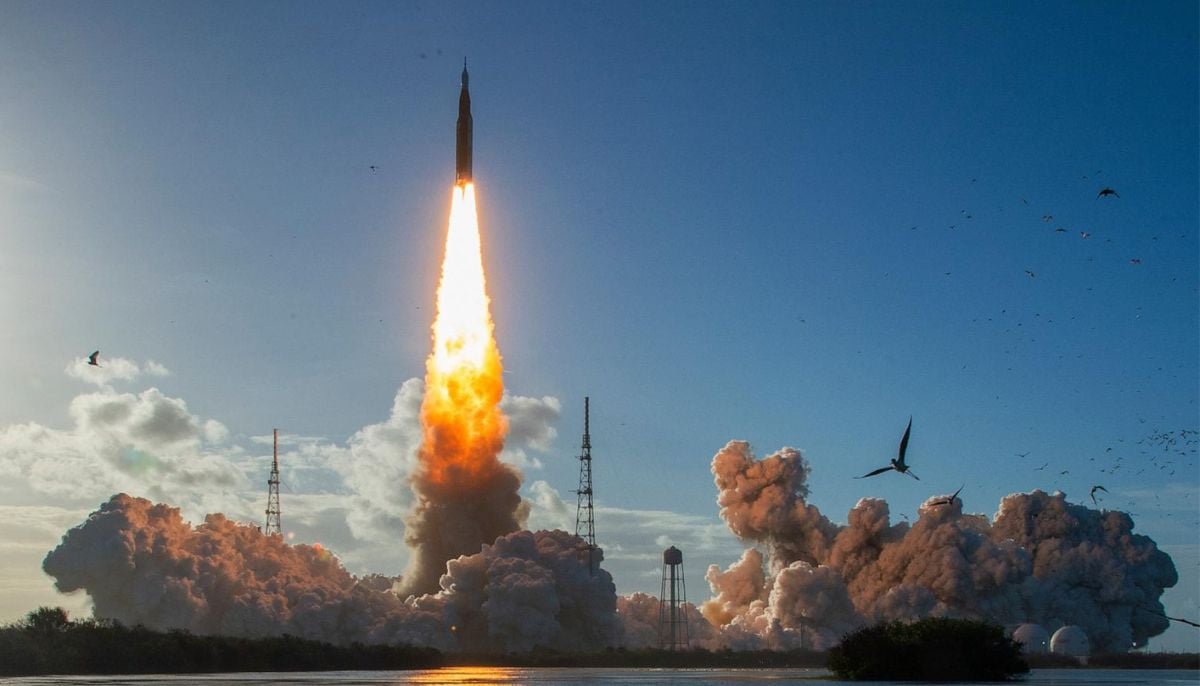 Where is Artemis II today? Here is everything to know about NASA’s journey to the moon
 -
 European Space Agency to negotiate with NASA on future lunar missions
 -
 SpaceX AI satellites plan raises doubts after Microsoft setback
 -
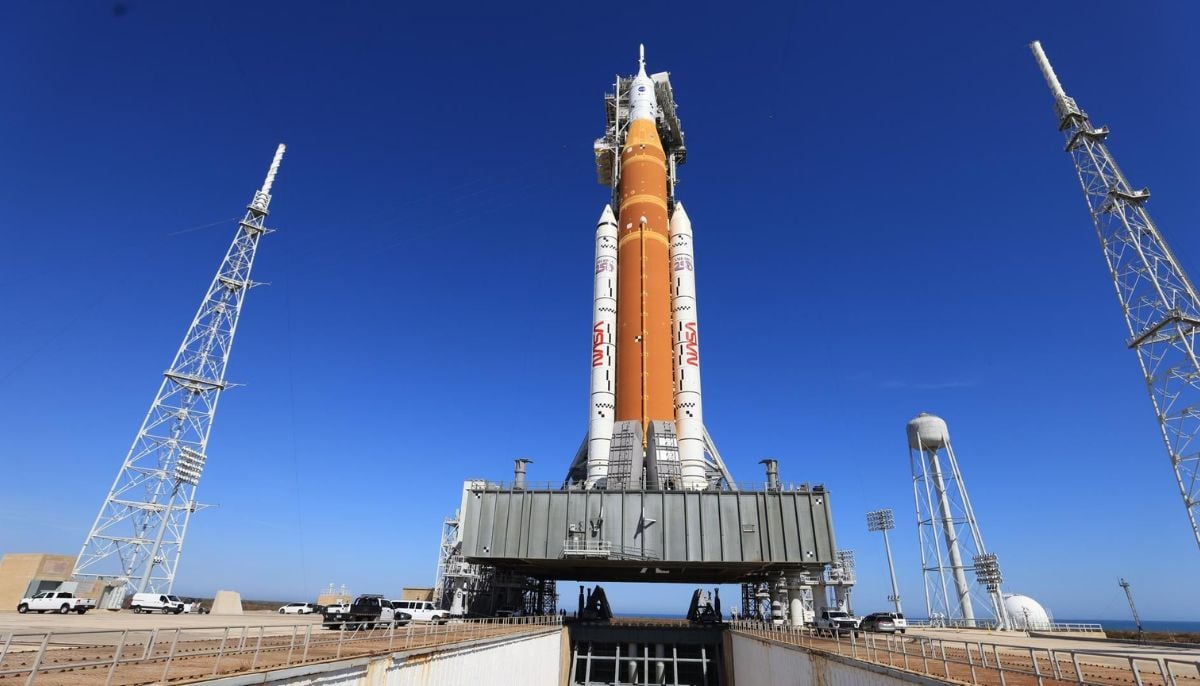 NASA Artemis II lifts off, sending cubesats into deep space study
 -
 Could there be life on Mars? NASA Jared Isaacman claims chances are 90%
 -
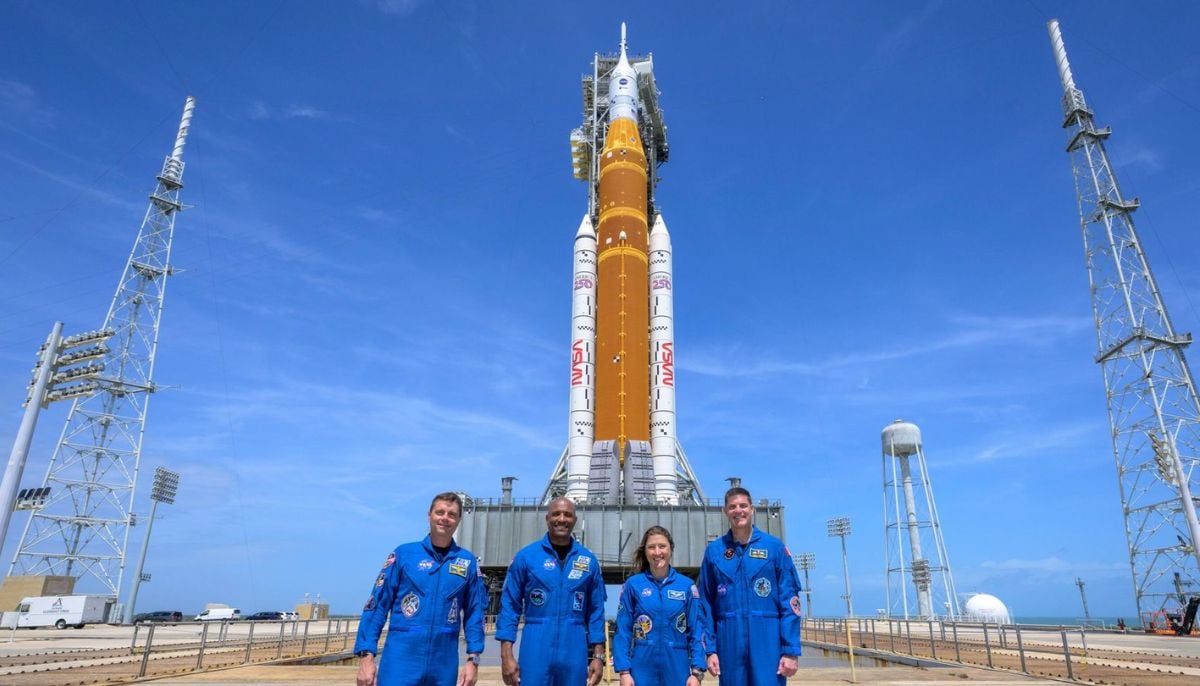 NASA Artemis II Moon mission set for liftoff today: Here’s what to know
 -
 Did the Big Bang happen differently? New theory challenges origin of Universe
 -
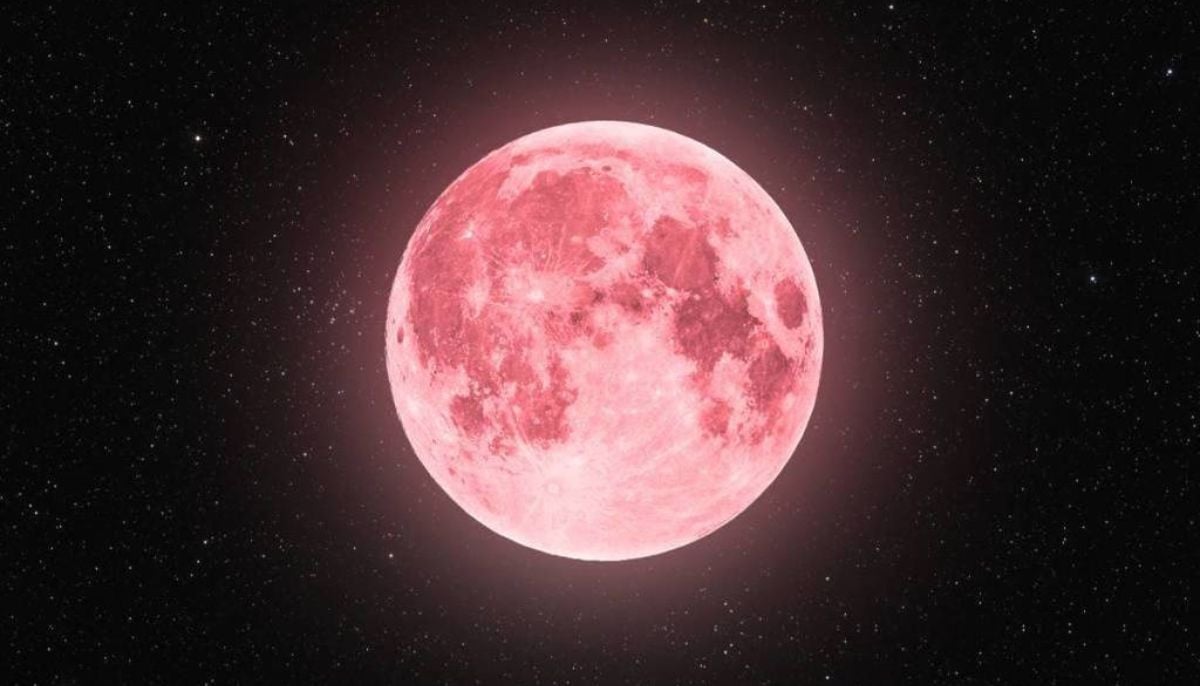 April’s Pink Moon 2026: How to see the full moon in all its glory