This dinnertime habit is secretly making you tired next day
Reasons why we find ourselves yawning in middle of the day or hitting snooze is not due to inadequate amount of sleep

Eat breakfast like a king, lunch like a prince, and supper like a pauper. This a popular proverb that you must have heard at least once in your life.
According to new studies, the saying has truth to it and is based on biology.
One of the major reasons why we find ourselves yawning in the middle of the day or hitting snooze multiple times is not due to an inadequate amount of sleep but rather due to our eating habits, Buzz Feed reported.
According to physician Dr Mary Valvano, eating the biggest meal at the end of the day affects our energy levels.
She said, "Cells in our body metabolise food differently based on the time of day. Eating the same meal at 8am versus 6pm can affect our body's ability to use it for energy."
She explained that eating late might "impair our blood sugar levels and the ability to get optimal energy from the next day's meals".
A big part of the reason eating a big meal at night is so problematic for energy levels is that it disrupts our sleep.
According to Valvano, big, "late-night meals mess with our body's natural circadian rhythm," which makes it harder to get quality rest.
Another habit that drains our energy levels is consuming energy drinks. Studies show that energy drinks can endanger heart and brain health, cause inflammation, increase your blood pressure, and more.


-
 Everything to know about US FDA’s new guidance on apps used with prescription drugs
 -
 ‘Immortal’ jellyfish could hold clues to slowing human ageing
 -
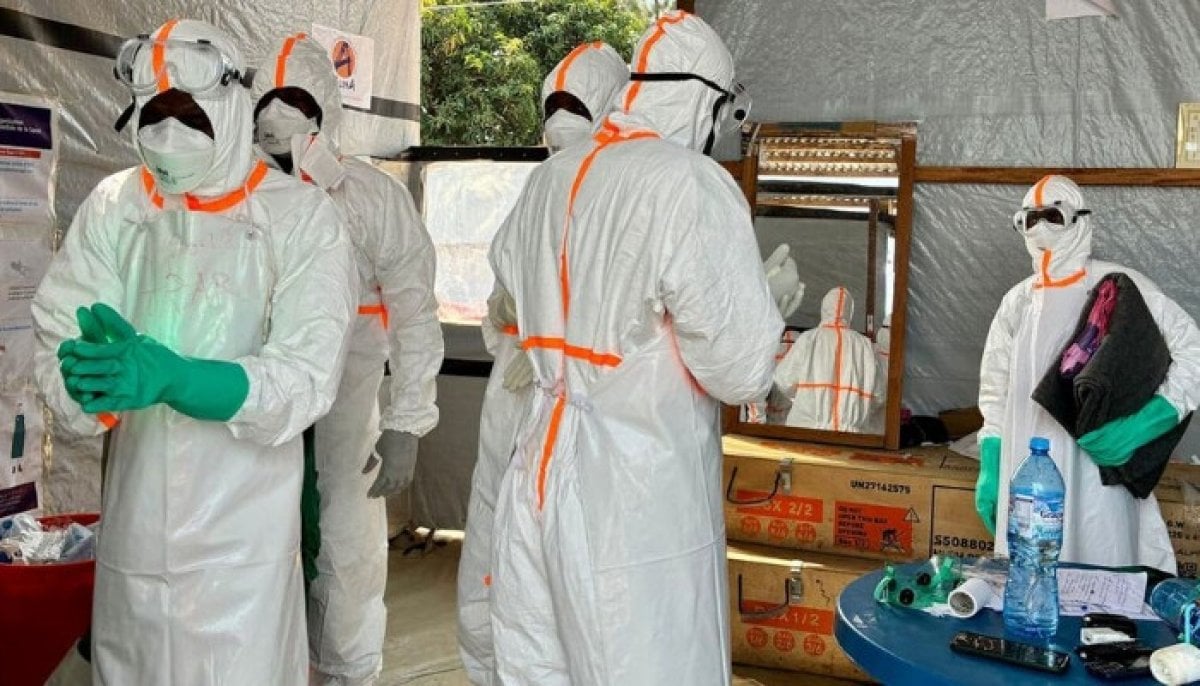 Ebola crisis worsens in DR Congo as virus reaches eighth province with over 4,500 dead
 -
 Study finds eating blueberries every day can surprisingly boost your mood
 -
 Eli Lilly’s Foundayo weight-loss pill gets European approval recommendation
 -
 What is BPC-157? Trump administration considers easing rules on popular peptide injections
 -
 West Nile virus: Europe reports 141 deaths as human cases rise in 2026
 -
 Health Canada reviewing new mRNA flu vaccine that could prevent more hospitalisations