Belgium boy becomes worlds first to beat deadly brain cancer
Lucas Jemeljanova was first diagnosed deadly brain cancer known as diffuse intrinsic pontine glioma (DIPG) at age of six

Lucas Jemeljanova, a 13-year-old boy from Belgium, has accomplished a remarkable feat by becoming the first person in the world to beat a deadly brain cancer known as diffuse intrinsic pontine glioma (DIPG), The Brighter Side reported.
Lucas was first diagnosed with the deadly illness at the age of six. DIPG is a very rare type of brain cancer that statistically kills 98% of patients within five years.
Children with the brain tumour would normally be expected to live nine to 12 months after diagnosis.
Lucas's road to recovery started when he participated in a clinical trial investigating the use of everolimus, a chemotherapeutic medication that is often used to treat brain, kidney, pancreatic, and other malignancies but has not been effectively used to treat DIPG.
Lucas responded well to the treatment, and he saw the tumour gradually go away.
After five years of declared remission, he has now been cancer-free for the last seven years.
At the Gustave Roussy cancer centre in Paris, his doctor Dr Jacques Grill, expressed happiness yet shock at his recovery, saying, "Lucas beat all the odds... his case offers real hope."
It remains unclear why Lucas recovered from the cancer, and scientists are now looking at how his case can help others with the illness in the future.
In the trial, seven other children survived years after their diagnosis, but only Lucas saw his tumour disappear.


-
 ‘Immortal’ jellyfish could hold clues to slowing human ageing
 -
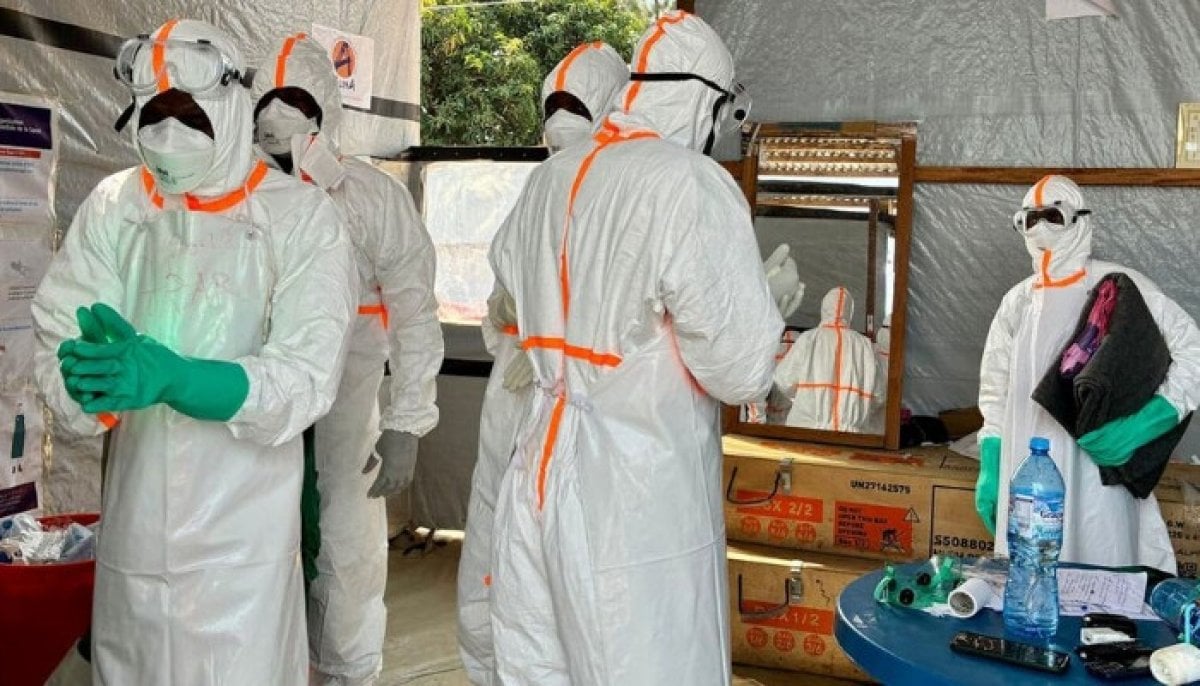 Ebola crisis worsens in DR Congo as virus reaches eighth province with over 4,500 dead
 -
 Study finds eating blueberries every day can surprisingly boost your mood
 -
 Eli Lilly’s Foundayo weight-loss pill gets European approval recommendation
 -
 What is BPC-157? Trump administration considers easing rules on popular peptide injections
 -
 West Nile virus: Europe reports 141 deaths as human cases rise in 2026
 -
 Health Canada reviewing new mRNA flu vaccine that could prevent more hospitalisations
 -
 Scientists discover hidden drainage route at the back of the eye