Longevity tips: Can wearing hearing aids lower chances of early death?
Hearing aids may be beneficial for longer life as per new research

A recent study found that wearing and needing hearing aids reduces a person's chance of passing away early and increases life span.
According to recent research, persons who regularly utilised their hearing aids had a 24% lower chance of dying than those who did not, according to data published earlier this month in "The Lancet Healthy Longevity".
"But that doesn’t mean the hearing aids are causing them to live longer," Janet Choi, MD, an otolaryngologist at Keck Medicine of USC and lead researcher, told Health.
“We don’t know if there’s a causal relationship between those two,” Choi said. “That’s the big question we need to answer right now.”
Although the precise mechanism by which correcting hearing loss can reduce mortality is yet unknown, Choi clarified that better mental health leads to longer, healthier lives.
"Hearing aids might improve someone’s ability to communicate, stimulating the brain," Nicholas S Reed, AuD, an audiologist and assistant professor at Johns Hopkins University Bloomberg School of Public Health, told Health.
This could enable people to work or pursue hobbies, enhance physical exercise, and slow down the ageing process.
“Humans are social creatures and preventing social isolation is a major priority...given that it is highly associated with increased risk of mortality,” Reed said.


-
 Everything to know about US FDA’s new guidance on apps used with prescription drugs
-
 ‘Immortal’ jellyfish could hold clues to slowing human ageing
-
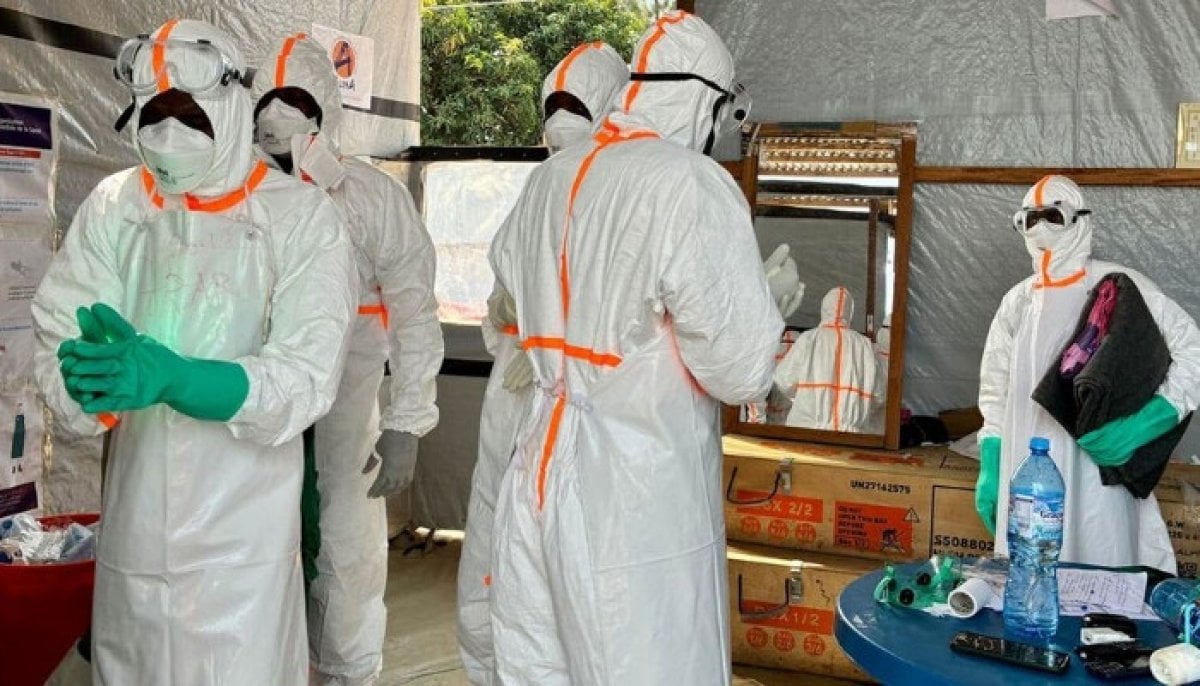 Ebola crisis worsens in DR Congo as virus reaches eighth province with over 4,500 dead
-
 Study finds eating blueberries every day can surprisingly boost your mood
-
 Eli Lilly’s Foundayo weight-loss pill gets European approval recommendation
-
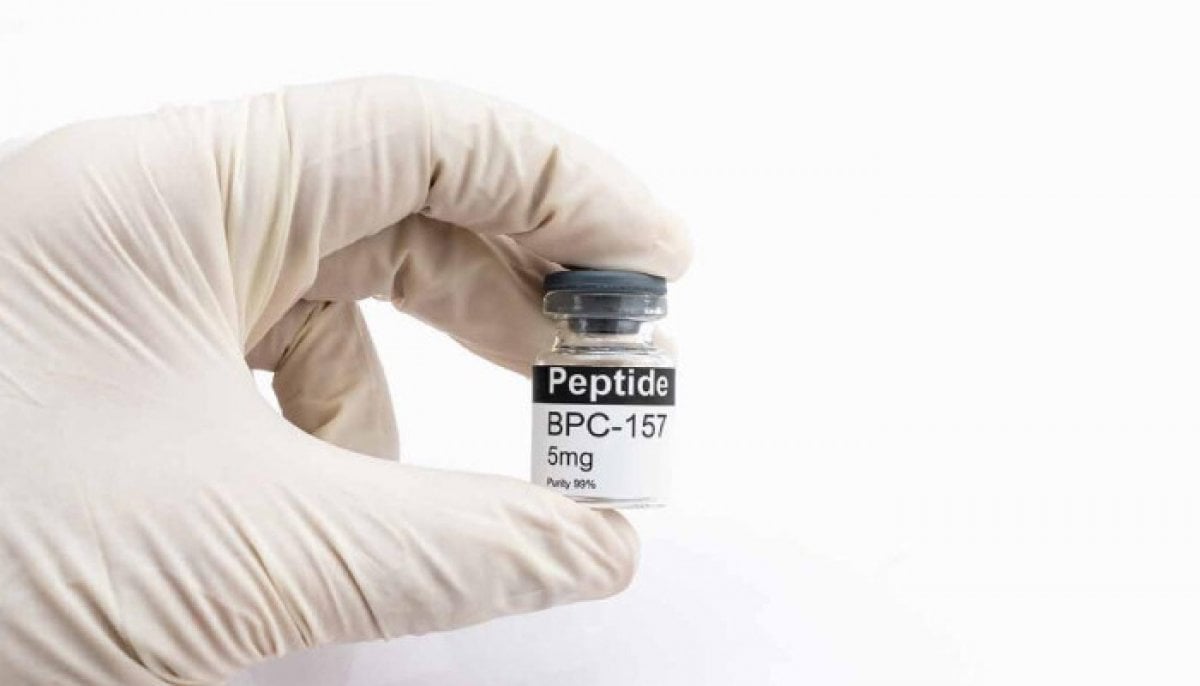 What is BPC-157? Trump administration considers easing rules on popular peptide injections
-
 West Nile virus: Europe reports 141 deaths as human cases rise in 2026
-
 Health Canada reviewing new mRNA flu vaccine that could prevent more hospitalisations