North Korea intends to launch another satellite
Kim Jong-un-led country says it developed spy satellite as counterbalance to growing US military presence in region
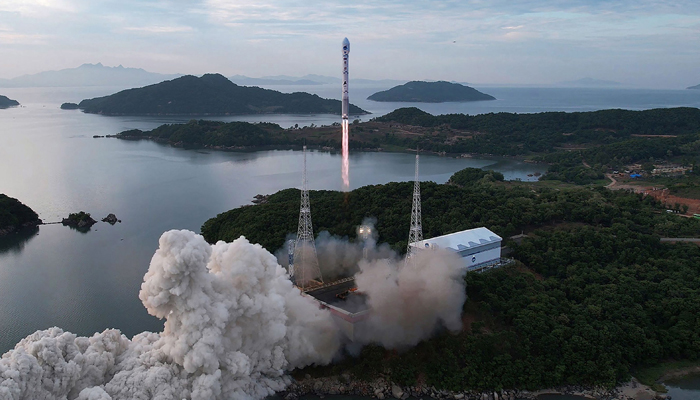
In a swift comeback after a failed attempt to launch a military spy satellite in May, Japanese media reported Tuesday that North Korea has hinted to give another push to its space ambitions by sending its second satellite into the Earth's orbit.
According to the Kyodo news agency, North Korea informed the Japanese Coast Guard that it intended to launch the satellite sometime between August 24-31.
North Korea had launched its first military reconnaissance satellite in May however, it could not reach its destination as the rocket plunged into the sea minutes after the liftoff.
Kim Jong-un-led country said it had developed the spy satellite as a necessary counterbalance to the growing US military presence in the region.
Meanwhile, North Korea's news agency condemned "the aggressive character" of US-South Korea military drills that kicked off Monday.
KCNA warned in a commentary that if the drills involve a "nuclear provocation," the possibility "of a thermonuclear war on the Korean peninsula will become more realistic."
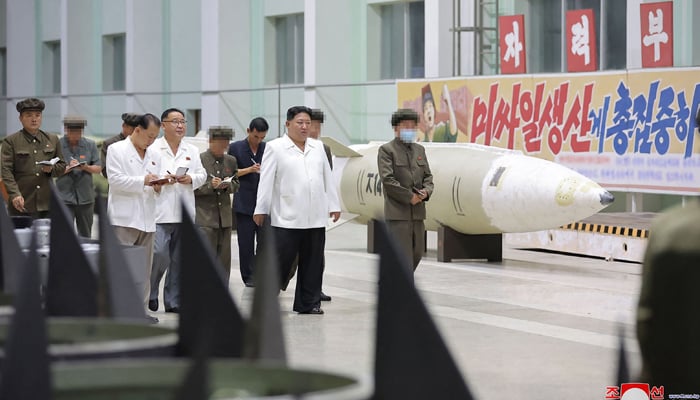
The United States, South Korea, and Japan condemned North Korea's satellite launch in May as a violation of United Nations resolutions prohibiting the nuclear-armed state from using ballistic missile technology.
Analysts have said there is a significant technological overlap between the development of intercontinental ballistic missiles (ICBMs) and space launch capabilities.
Kim Jong Un has made the development of a military spy satellite a top priority.
South Korea's intelligence agency told lawmakers last week that Pyongyang could launch a reconnaissance satellite in late August or early September, according to Yonhap.
The launch is meant to happen ahead of the 75th anniversary of the regime's founding on September 9, Yonhap reported.
The crash of the satellite in May sparked a complex, 36-day South Korean salvage operation involving a fleet of naval rescue ships, mine sweepers and deep-sea divers.
The retrieved parts of the rocket and the satellite were analysed by experts in South Korea and the United States.
South Korea's defence ministry subsequently said the satellite had no military utility.


-
 Russia fuel shortage; Putin sets up new task force to secure supplies
 -
 Inside: Magnitude 5.5 earthquake that's jolted Sichuan, China
 -
 Biden calls out Trump’s ‘vanity projects’ at Maryland Democratic Gala—Here’s why
 -
 3 Firefighters killed, 2 injured after Snyder fire escalates on Utah-Colorado Border
 -
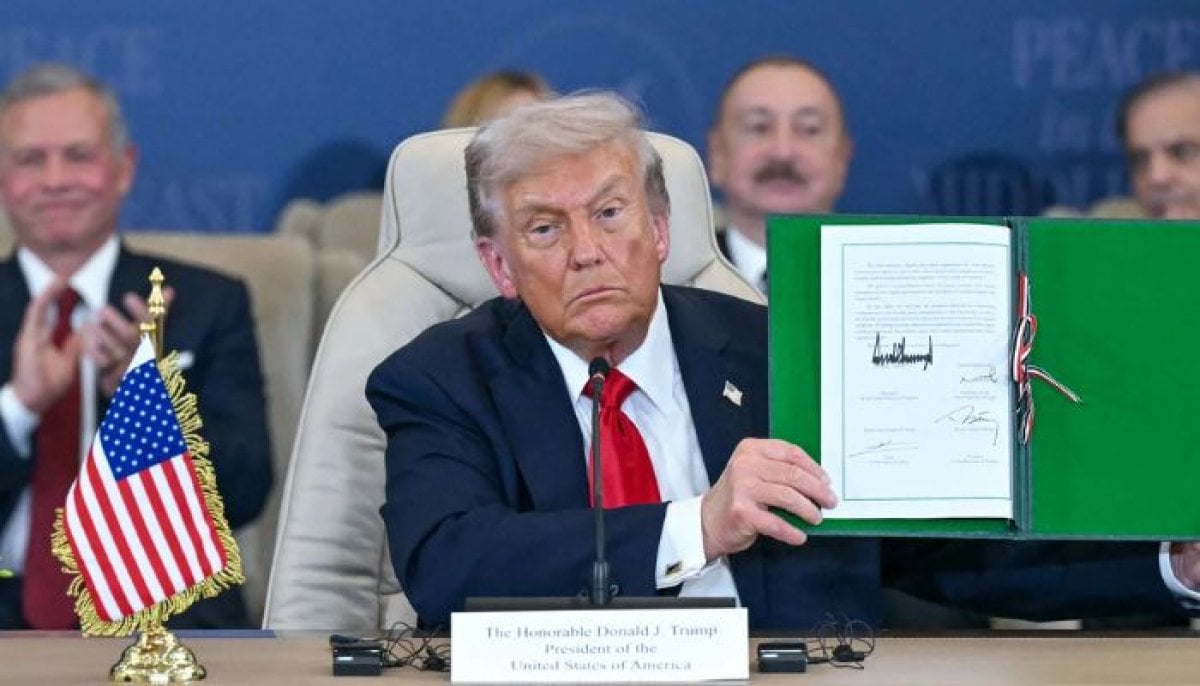 Trump’s Gaza Board of Peace seeks to grant itself total immunity and free use of property: Here’s why
 -
 11 killed as civilian plane crashes in Eastern France
 -
 France records around 1,000 excess deaths during deadly heatwave
 -
 South Korea, Japan deepen defense ties in major security push
-
 Light aircraft crashes into Beijing's tallest tower, pilot killed
 -
Trump debuts passport featuring his own portrait ahead of America's 250th anniversary
-
What triggered US strikes on Iran? Trump’s ceasefire violation claim explained
-
Venezuela earthquake death toll exceeds 920 as rescuers race for survivors