Cerberus: 'Record-breaking' heat could hit Europe
The mercury could hit 48.8°C or 119.8°F in Italy

Southern Europe and north-west Africa could see record-breaking temperatures in the coming days as a severe heatwave has hit them, according to BBC.
The anticyclone — named Cerberus — could push temperatures past 40°C or 104°F in Spain, France, Turkey, Croatia, and Greece.
The mercury could hit 48.8°C or 119.8°F in Italy, prompting authorities to issue a red alert warning for as many as 10 cities, including Rome and Florence.
A 44-year-old died due to severe heat after collapsing in northern Italy on Tuesday.
"We are facing an unbearable heatwave," Italian politician Nicola Fratoianni said in a tweet.
"Maybe it's the case that in the hottest hours all the useful precautions are taken to avoid tragedies like the one that happened today in Lodi."
Named by the Italian Meteorological Society, the Cerberus heatwave is forecast to bring severe weather conditions in the coming days.
"The Met Office says temperatures will peak on Friday, and BBC Weather says large swathes of southern Europe could see temperatures in the low to mid-40s — and possibly higher," BBC reported.
The hottest-ever temperature in Europe was recorded near Syracuse on the Italian island of Sicily in August 2021 at 48.8°C or 119.8°F.
More than 60,000 people died in Europe as a result of the heat last year. The fear is that this heatwave could cause many more deaths this summer.


-
 John Bolton pleads guilty, to be sentenced in October
 -
 South Korea ex-First Lady Kim Keon Hee jailed for 7 years in bribery scandal
 -
 UK hits 36.9°C: June temperature record broken for third straight day
 -
 Trump’s former advisor John Bolton expected to plead guilty to mishandling classified information
 -
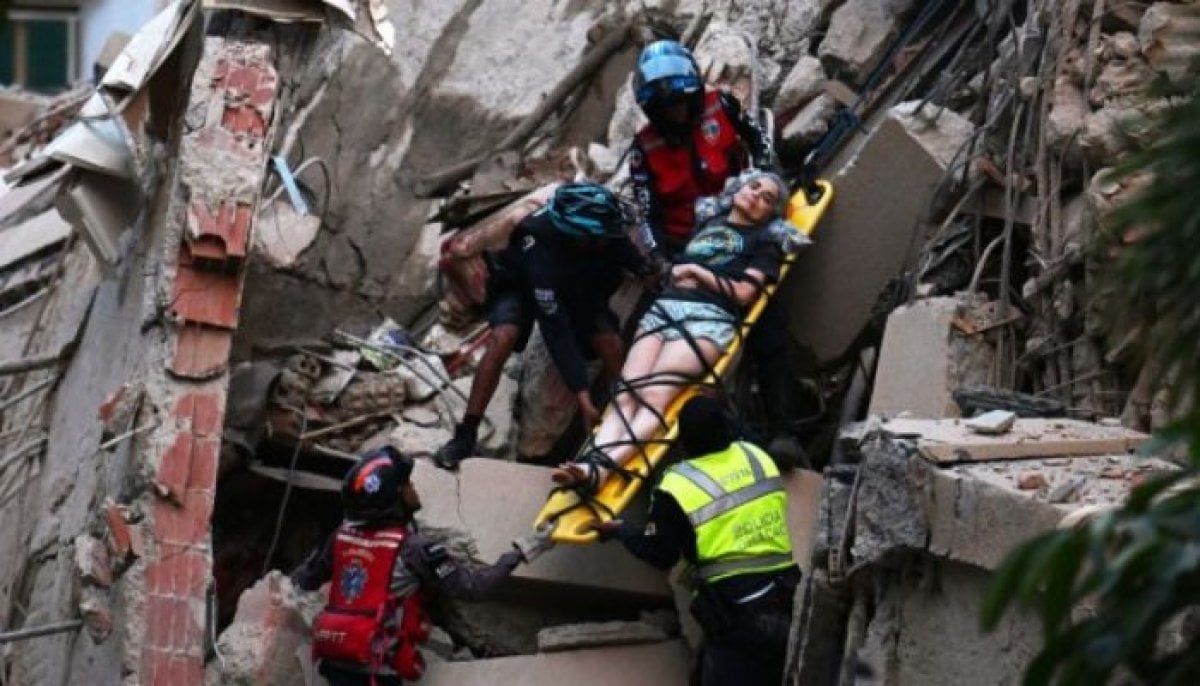 Venezuela death toll hits 590; Global aid mobilizes for earthquake survivors
 -
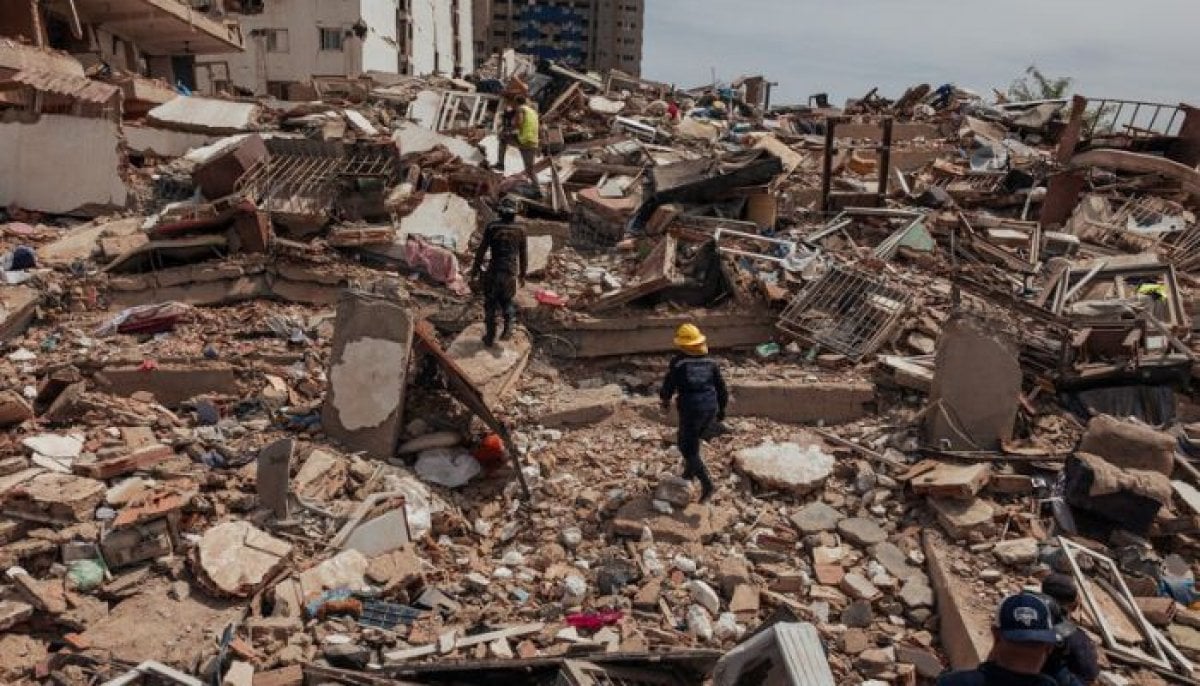 Venezuela's 'doublet' earthquake: Why two quakes in 39 seconds explained
 -
 Russia’s next move? Sources fear possible ‘provocation’ in Baltic states or Poland
 -
 Iran seeks GCC backing for ‘nuclear-weapon-free zone’ in Middle East