SpaceX ready to send 48 Starlink satellites into orbit from California
The launch marks the 99th orbital launch globally, while SpaceX accounts for 45 launches
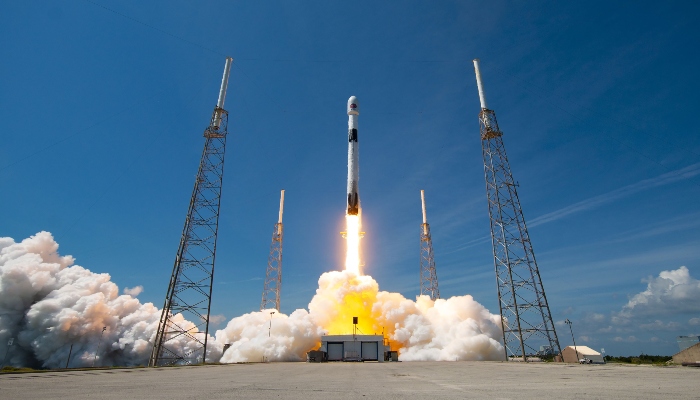
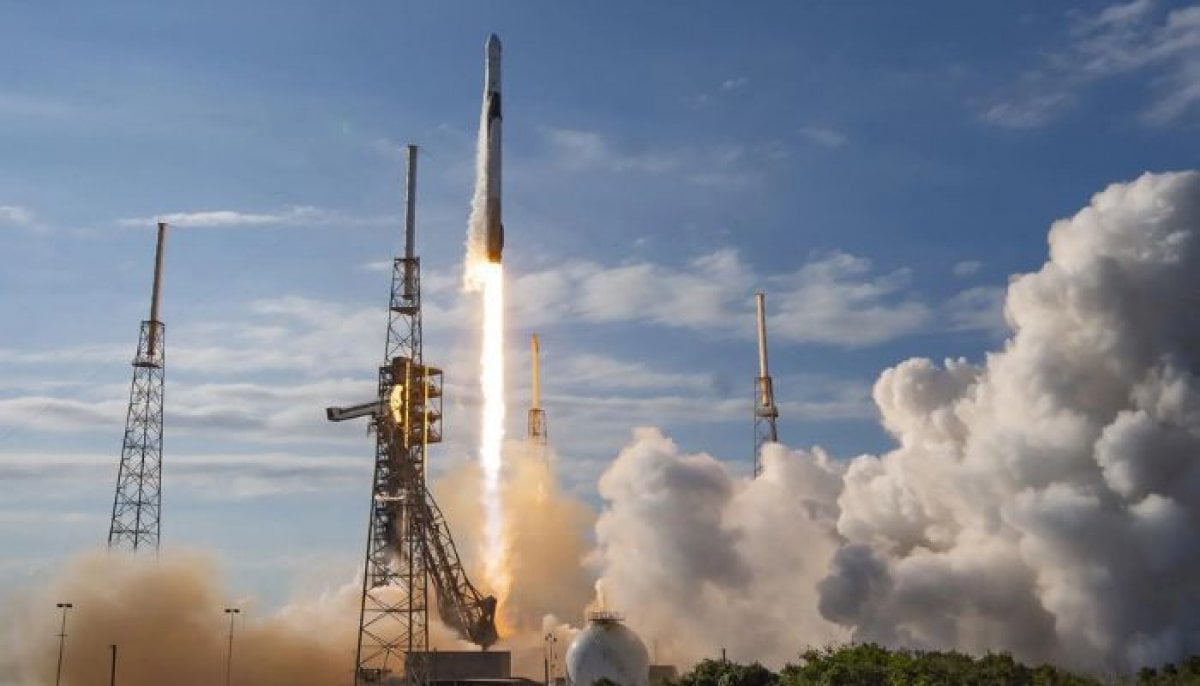
SpaceX is back with another launch of its Falcon 9 rocket. This time, the rocket will carry 48 Starlink satellites into orbit
On Friday, July 7th, at 12:29pm PT (19:29 UTC), SpaceX will blast off 48 version 1.5 Starlink satellites into low Earth orbit from Space Launch Complex 4 East at Vandenberg Space Force Base in California.
The 48 Starlink satellites, which are a part of Group 5–13, will blast off at a 43-degree orbital inclination. This launch of the Falcom 9 satellite will be the 44th overall and the 43rd of the year 2023.
With this launch, SpaceX will have launched 4,746 Starlink satellites in total, with 177 of those launches occurring just last month.
SpaceX is now the global leader in mass to orbit thanks to this pace, and it is a business that consistently demonstrates the benefits of reusability.
Around the world, this will be the 99th orbital launch, with SpaceX accounting for nearly half of those with 45 launches.
This round of Starlink satellites will be launched by Booster 1063, which is carrying out its 12th flight, seven of which were Starlink missions.
Launched southward, B1063 will travel parallel to the California coast. Two and a half minutes into the flight, the first and second stages will separate. The second stage will then perform a dog-leg manoeuvre to send itself over the Baja Peninsula of Mexico at the appropriate 43-degree orbital inclination.
The droneship "Of Course I Still Love You," which is stationed in the Pacific Ocean 668 kilometres away, will be the first stage's target as the second stage is on its way to low Earth orbit.
After a 10-minute coast phase, the 48 satellites will separate from the second stage and proceed to their operational orbits. The first stage will land at roughly the same time as the second stage cutoff, just under nine minutes into the mission.
Space.com has announced that that the website will broadcast live courtesy of SpaceX or directly via the company. Coverage is expected to start about five minutes before launch.


-
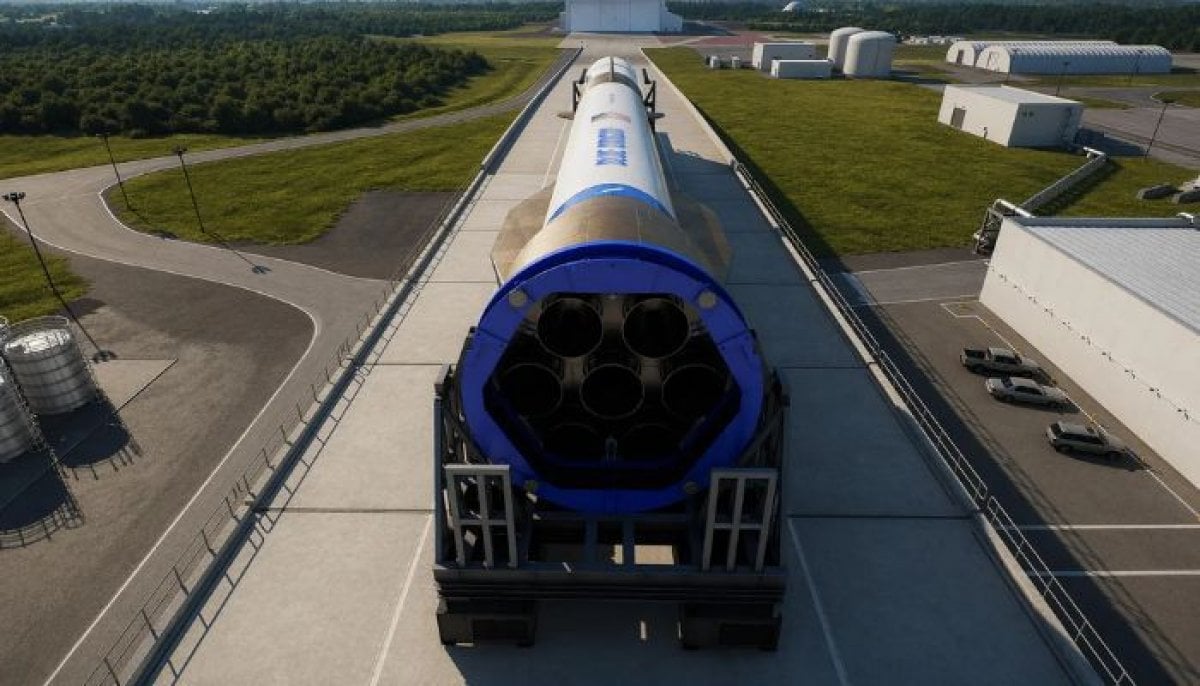 Blue Origin upgrades new Glenn rocket launch infrastructure to take on SpaceX
 -
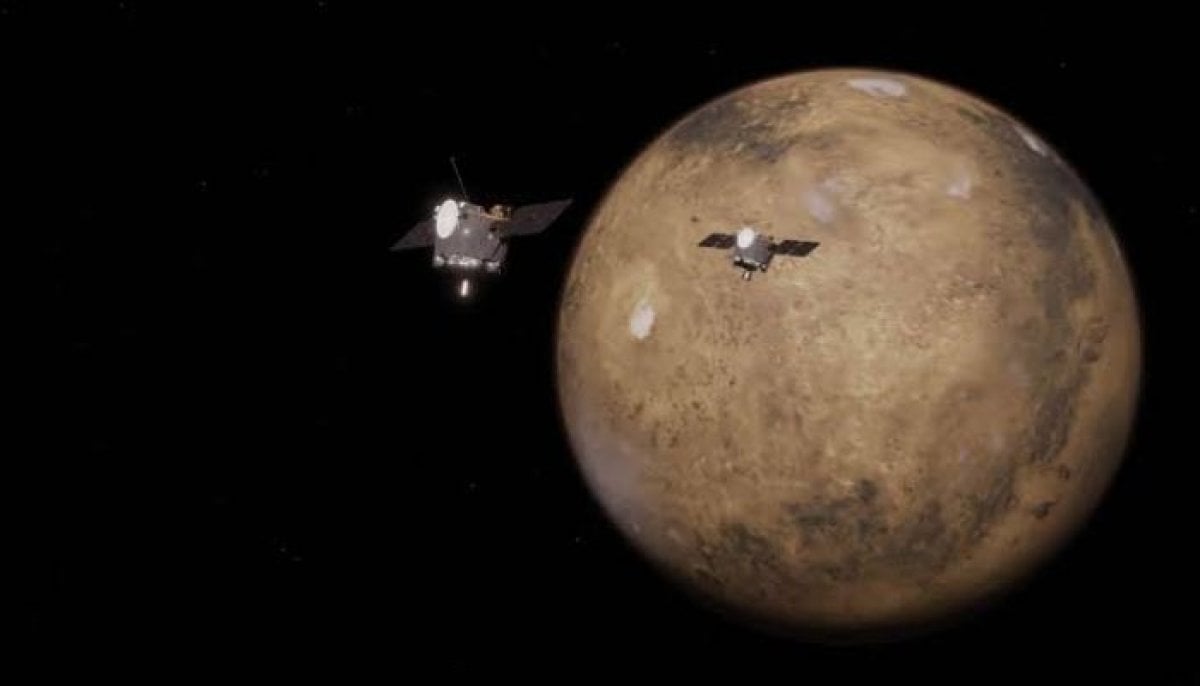 NASA’s next Mars mission targets Phobos and Deimos, not Red Planet
 -
 Is AI ready to rewrite our understanding of physics?
 -
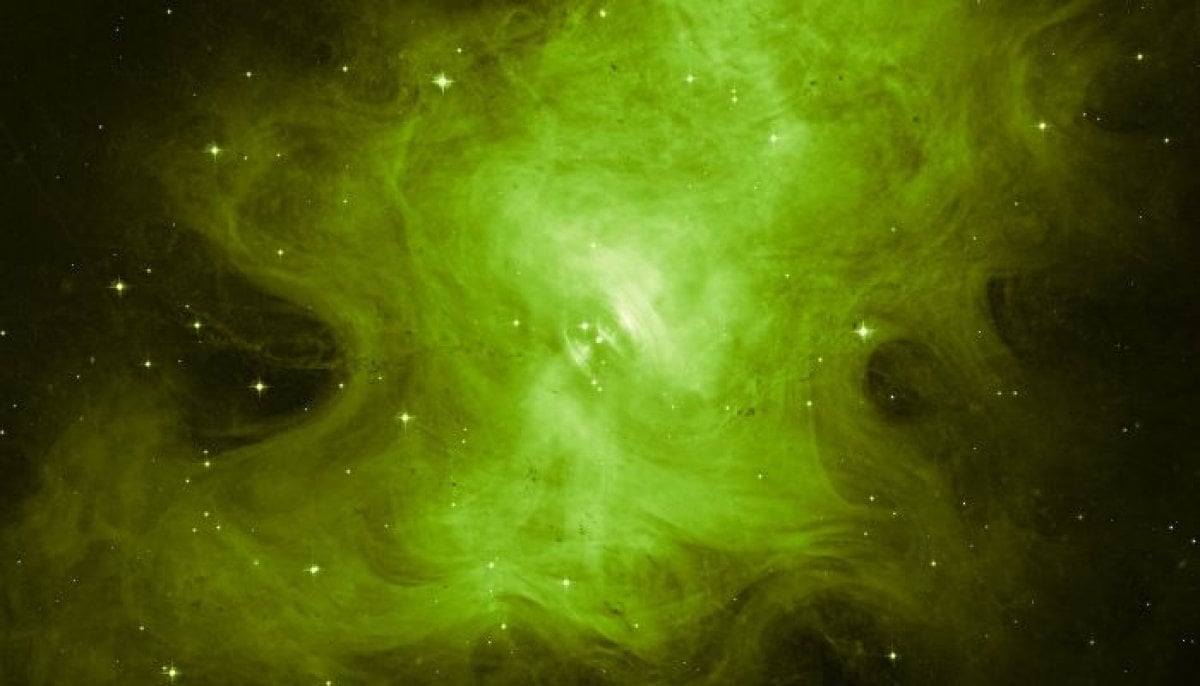 Astronomers identify possible first green star in 27 years of research
 -
 New study sounds alarm as Doomsday Glacier melts more aggressively than thought
 -
 Hubble data hints at planet born after its star died
 -
 NASA to brief public on Artemis III mission progress
 -
 ‘Time capsule beneath the sea’: World’s oldest shipwreck holds secrets from Great Pyramid era