
Strawberry moon illuminating sky around world gives breathtaking sights
Skies across globe brightened up with rubicund light when strawberry moon came out this weekend
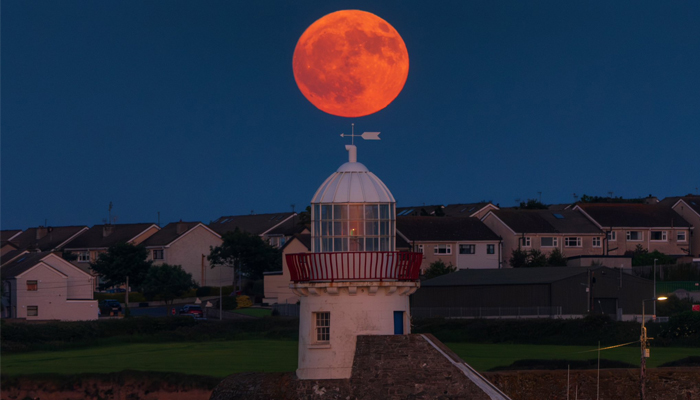
The skies across the globe were illuminated with a rubicund light when the strawberry moon came out this weekend. The rose-tainted moon glowing in the dark sky offered the stargazers a breathtakingly beautiful sight.
This celestial event, known as the last full moon of spring and sometimes the first of summer, was captured by people rising above the Empire State Building, behind Stonehenge and at various other places around the world.
Have a look at some of these images:
Contrary to its name, the strawberry moon's title does not stem from its appearance or colour. Instead, Native American tribes coined the name to signify the ripening of "June-bearing" strawberries, signifying an abundant time for harvest. The Old Farmer's Almanac explains that as flowers bloom and early fruits ripen, June becomes a season of great abundance for many.
This year, moon gazers in specific regions will enjoy an additional celestial treat. Individuals located in Argentina and the Atlantic Daylight Time zones, extending across North America, Europe, Africa, Asia, and Australia to the International Date Line, will witness the presence of Antares, the brightest star in the Scorpius constellation, positioned a few degrees to the right of the moon.
In different regions, the June full moon holds various cultural and traditional significance. In European folklore, it has been called the honeymoon, as June traditionally marked the month of marriage and is associated with the Roman goddess of marriage, Juno. For followers of Hinduism, the full moon and its three-day visibility symbolise Vat Purnima, a time when women express love for their husbands by tying ceremonial threads around banyan trees.





-
 Archaeologists unearthed possible fragments of Hannibal’s war elephant in Spain
 -
 NASA's Hubble Space Telescope discovers ‘Dracula Disk', 40 times bigger than solar system
 -
 Annular solar eclipse 2026: Where and how to watch ‘ring of fire’
 -
 Scientists discover rare form of 'magnets' that might surprise you
 -
 Humans may have 33 senses, not 5: New study challenges long-held science
 -
 Northern Lights: Calm conditions persist amid low space weather activity
 -
 SpaceX pivots from Mars plans to prioritize 2027 Moon landing
 -
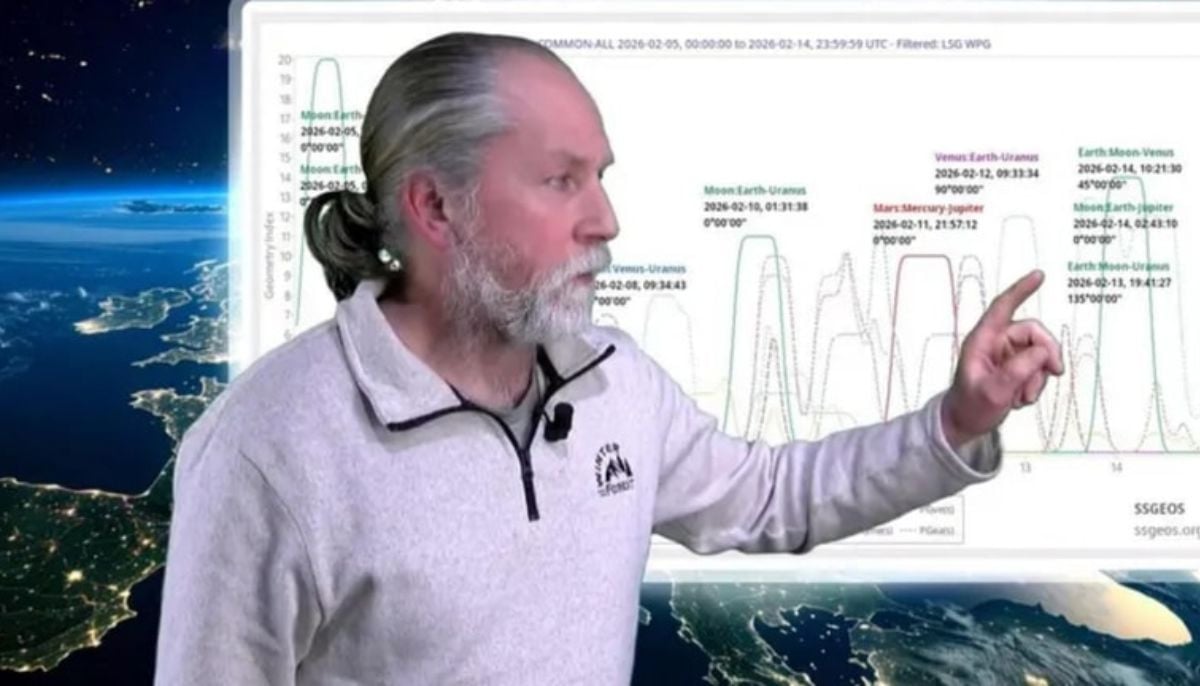 Dutch seismologist hints at 'surprise’ quake in coming days