Prove your identity and workplace with LinkedIn's free verification
To verify your workplace, you only need to use a company email address
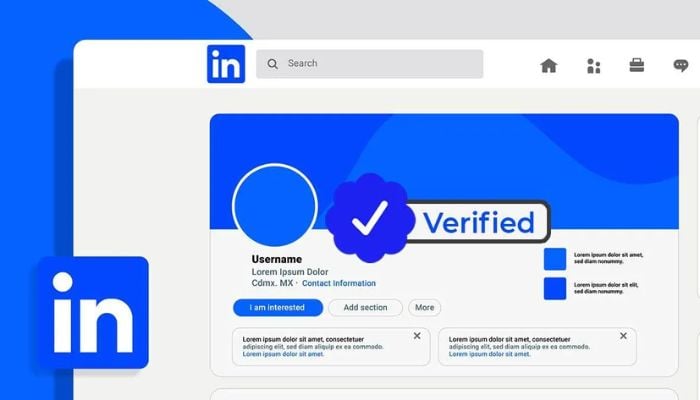
LinkedIn, which is owned by Microsoft, is launching a new verification system that is free for users. This system will enable users to confirm their identity and place of employment. There are several options for verification, such as using CLEAR to confirm your identity, verifying your workplace with an email address, or using Microsoft's Entra-verified ID platform to obtain digital workplace IDs without any charge.
Unlike other social media platforms such as Facebook, Instagram, or Twitter, LinkedIn does not require users to pay for verification, which can be displayed on their profiles. To verify your workplace, you only need to use a company email address, or if your organisation uses Entra, you can use the Microsoft Entra platform, The Verge reported.
If you wish to verify your personal identity, you can do so using CLEAR, which LinkedIn has partnered with to offer a secure way to confirm your identity. By using CLEAR, you can display a verified identity badge on your LinkedIn profile, which requires a US government-issued ID and US phone number.
Profiles on LinkedIn will display green and blue check marks to indicate verifications, but it appears that there won't be a badge displayed next to users' names throughout the platform.
The verification process using a company email is currently available for all LinkedIn users, provided their employers are among the 4,000 supported companies. The Microsoft Entra verification will be rolled out at the end of April, initially available for 2 million LinkedIn members.
Given the increasing use of cloud technology and remote hiring during the pandemic, there is a clear need for online credential verification. Microsoft has developed its own Entra Verified ID system that LinkedIn is now using, which is based on open standards and can be used across various HR and identity systems.


-
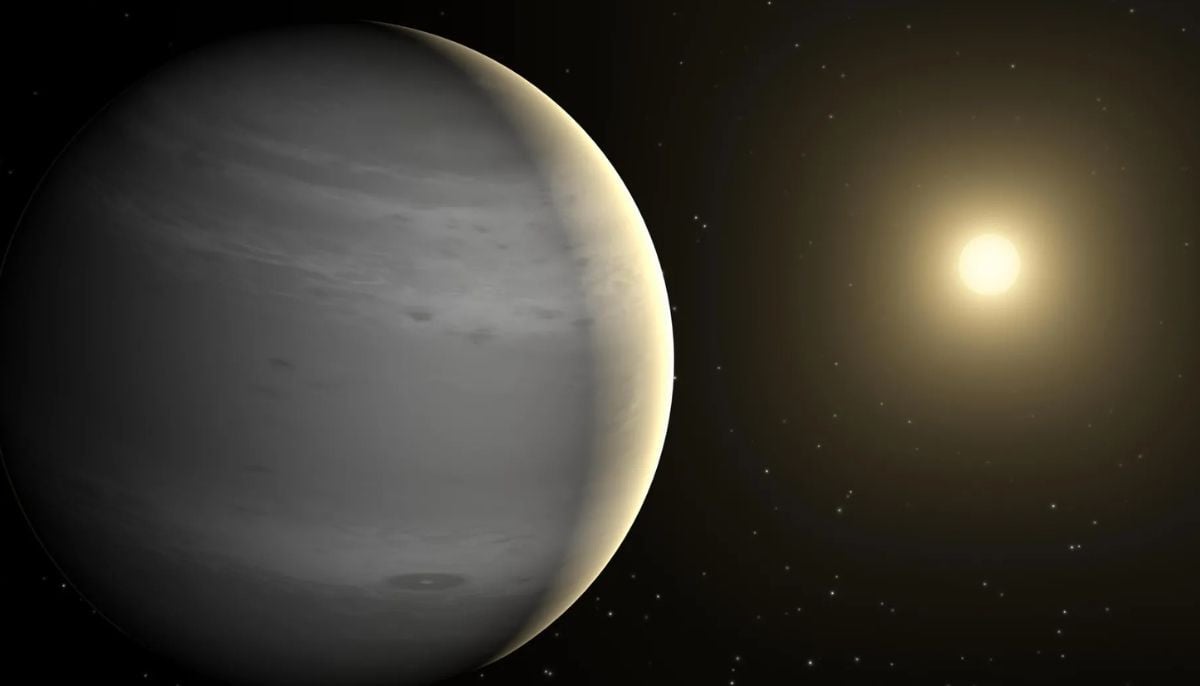 Is this Earth 2.0? NASA’s James Webb telescope spots ‘rare’ giant exoplanet
 -
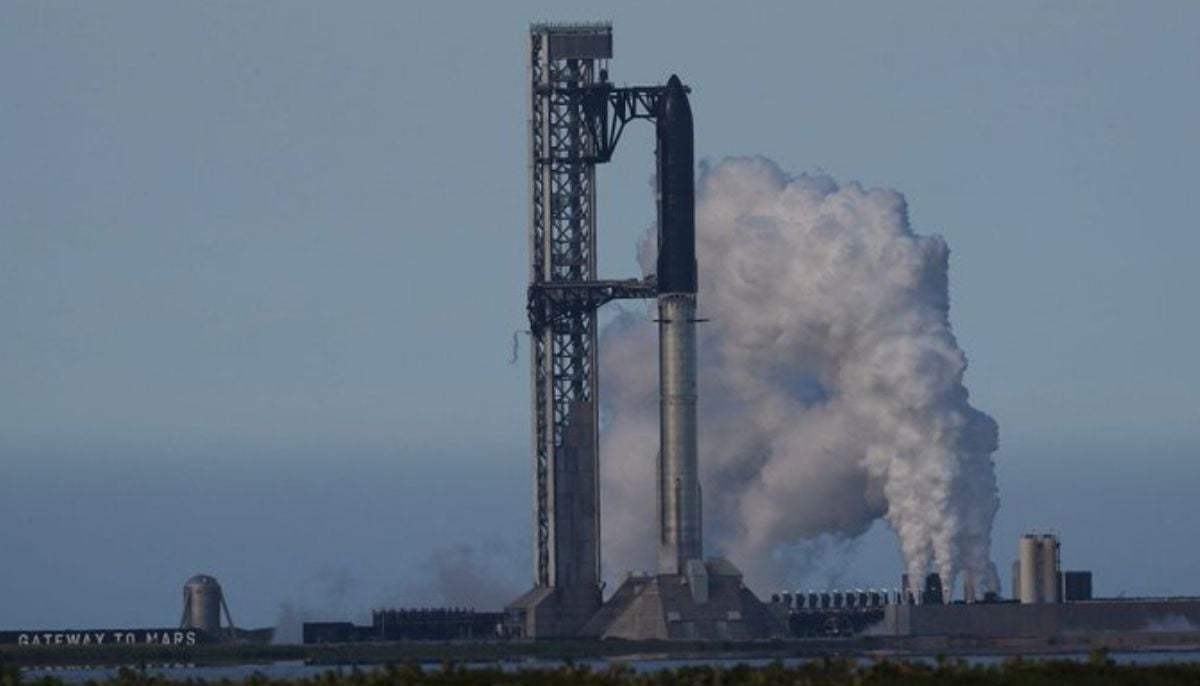 SpaceX Starship launch delayed again: Here’s what went wrong
 -
 Why do scientists think Neptune’s moon Nereid survived violent cosmic collision?
 -
 NASA set to unveil major Moon Base strategy and mission update
 -
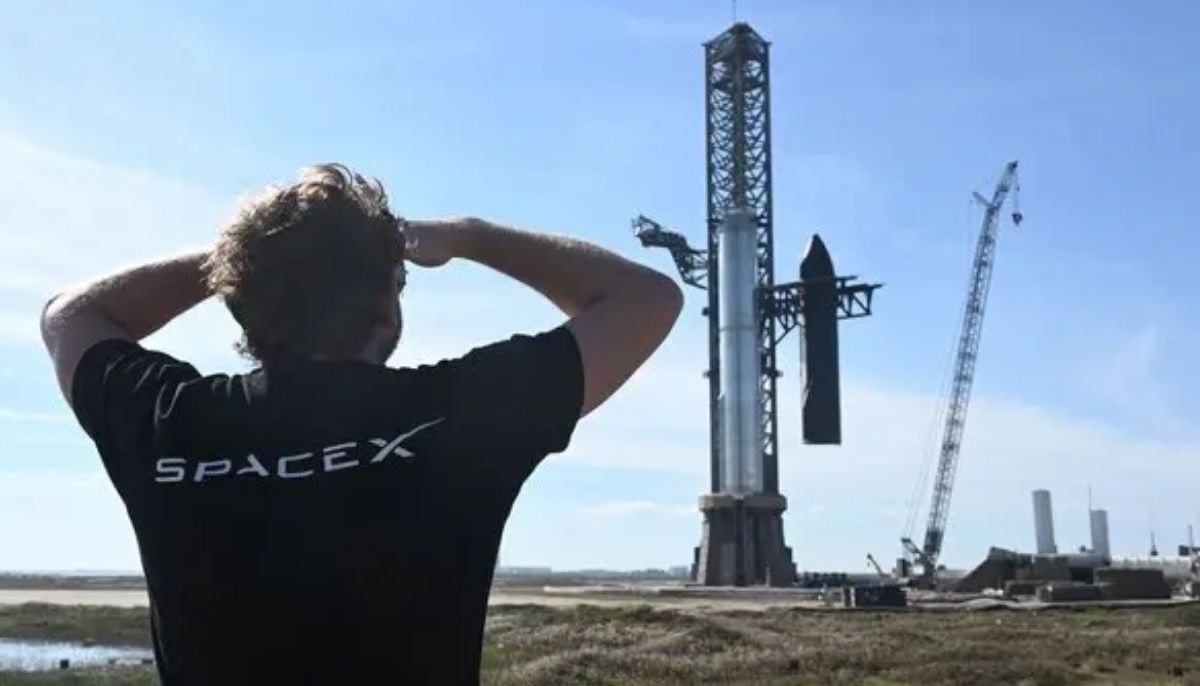 SpaceX’s upgraded Starship V3 ready for high-stakes test flight: Where to watch live
 -
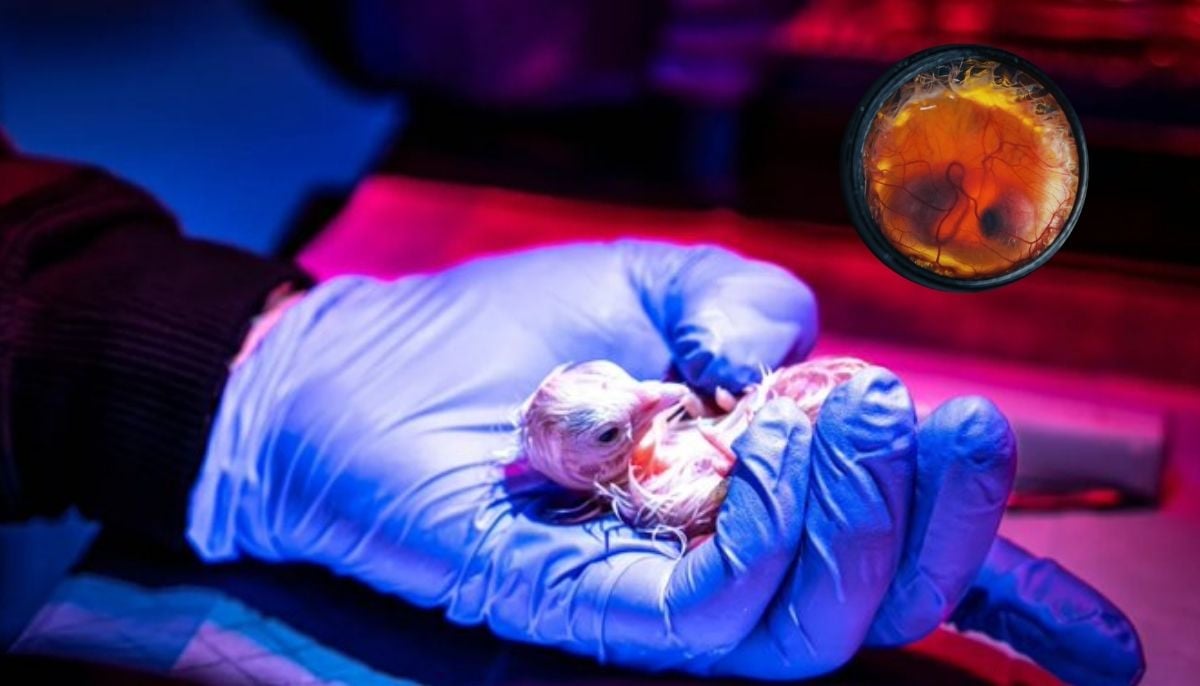 Scientists hatch live chickens from 3D-printed eggshells: Could artificial wombs be next?
 -
 SpaceX: Starship V3 all set for debut launch ahead of IPO
 -
 Four alien species recovered from crashed UFOs, Ex-CIA researcher claims