Remittances plunge to more than two-year low
Data from SBP shows inflows from expatriates fell to $1.9 billion in January 2023
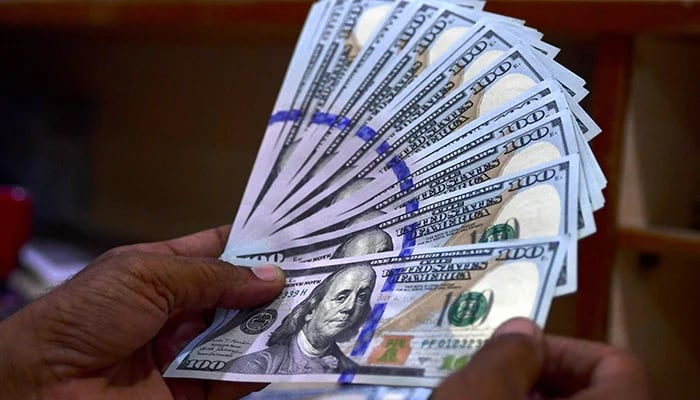
Remittances sent home by overseas Pakistani workers plunged to more than a two-year-low as the cap imposed on the US dollar forced transfers via illegal channels — hundi, hawala, and others.
Data released by the State Bank of Pakistan (SBP) showed that the remittances fell to $1.9 billion in January 2023, compared to $2.1 billion in December and $2.18 billion in January 2022. In May 2020, remittances stood at $1.865 billion.
Remittances dropped 9.9% month-on-month and 13.1% year-on-year, the central bank data showed. With a cumulative inflow of $16 billion during the first seven months — July to January — of FY23, the remittances decreased by 11% compared to the same period last year.
The dollar cap was removed by the end of January as per International Monetary Fund (IMF) conditions to pave the way for the release of the critical $1.1 billion loan tranche.
Remittances during January 2023 were mainly sourced from Saudi Arabia ($407.6 million), United Arab Emirates ($269.2 million), the United Kingdom ($330.4 million) and the United States of America ($213.9 million).
Talking to The News, Dr Khaqan Hassan Najeeb, a former adviser to the Ministry of Finance, said remittances were substantially low — both year-on-year and month-on-month in January.
Najeeb said the January data should be of concern as the country faces a severe dollar liquidity crisis.
The lesson, the economist said, was that the open market premium compared to the interbank market incentivised the remitters to use unofficial channels. "The gap between the two markets was quite substantive."
Countries should adhere to a market-based exchange rate mechanism otherwise the system creates perverse incentives, he said, hoping that with the removal of the dollar cap and the closing of the gap between the markets, there might be an improvement in February.
Najeeb added that it is important to note that rising interest rates and high inflation globally have had some role to play in slowing remittances to Pakistan.
"As the interest rates are rising globally, people are opting to invest in the countries they are residing in instead of sending the money to Pakistan," the economist concluded.





-
 US businesses hit by soaring wholesale inflation as fuel prices climb
 -
 'Robots are the Future': British tech firm Humanoid targets US IPO by 2030
 -
 Iran war could cost US taxpayers $1 trillion, expert warns
 -
 Alibaba shares fall after sharp decline in core profitability
 -
 Nebius revenue surges as AI cloud demand fuels rapid growth
 -
 Walmart eliminates 1000 roles amid digital transformation plans
 -
 Musk and Huang join Trump’s China mission: Inside the high-stakes tech delegation explained
 -
 Inflation in America reaches highest level since 2023 amid energy price surge