SBP-held forex reserves plunge to $4.5 billion: sources
Reserves fall further after repayment of loans worth $1.2 billion to UAE's banks, sources say
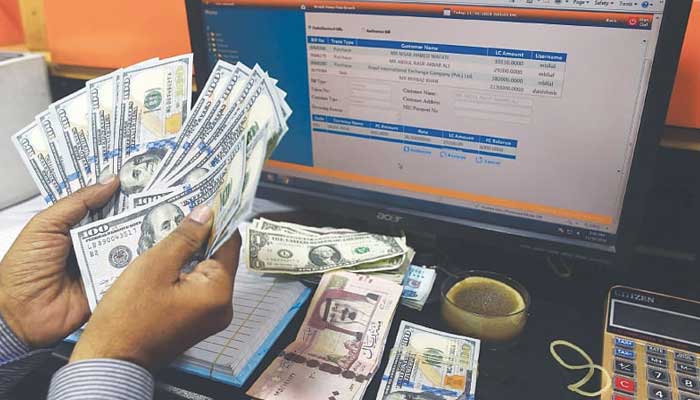
After the repayment of loans to banks in the United Arab Emirates (UAE) totaling $1.2 billion, foreign exchange reserves held by the State Bank of Pakistan (SBP) reduced to just $4.5 billion, sources told Geo News on Saturday.
The development has, as per sources, left Pakistan with an import cover of only under a month, as the country grapples with a deteriorating economic crisis while trying to bring down imports amid dollar shortage.
A breakup shows Pakistan returned $600 million to Emirates Bank, while it repaid $420 million to Dubai Islamic Bank, according to sources.
Sources said the coalition government would try to mobilise foreign funding worth $1.5 billion in the upcoming International Conference on Climate Resilient Pakistan.
Prime Minister Shehbaz Sharif will travel to Geneva on Sunday. He will lead a high-level delegation comprising federal ministers and SAPMs to Switzerland where he will co-host the conference — along with United Nations Secretary-General Antonio Guterres — on January 9.
The conference aims to assist Pakistan's people and government recover more effectively from the recent devastating floods.
"Maybe our friendly countries are waiting for the donors' conference so they can help us [and provide loans]," Minister Planning and Development Ahsan Iqbal told Geo News' Shahzeb Khanzada last month.
During the week ended on December 30, 2022, the forex reserves held by the central bank, dropped by $245 million to $5.57 billion — the lowest level since April 2014 — down from last week's reserves of $5.821 billion.
The net foreign reserves held by commercial banks amount to $5.84 billion, with the total reserves clocking in at $11.42 billion.
The National Security Committee (NSC) recently agreed on undertaking concrete steps — including import rationalisation as well as preventing illegal currency outflows and hawala business — in order to strengthen the economy.
Amid a crisis-like situation, Pakistan will have to repay approximately $8.3 billion in the shape of external debt servicing over the next three months (Jan-March) of the current fiscal year.
The government is eyeing to pass the ninth review of the International Monetary Fund (IMF) to secure a $1.7 billion bailout package, but both sides have made no substantial headway in recent days.
In this regard, Minister for Finance and Revenue Senator Ishaq Dar said that despite an uphill task, the country would meet its international obligations and not default.
Dar also sees Saudi Arabia and China beefing up their deposits in Pakistan "within a matter of days" and claimed that the forex reserves would see a rise gradually during the ongoing fiscal year.


-
 OPEC+ agrees to keep November oil targets steady amid market uncertainty
 -
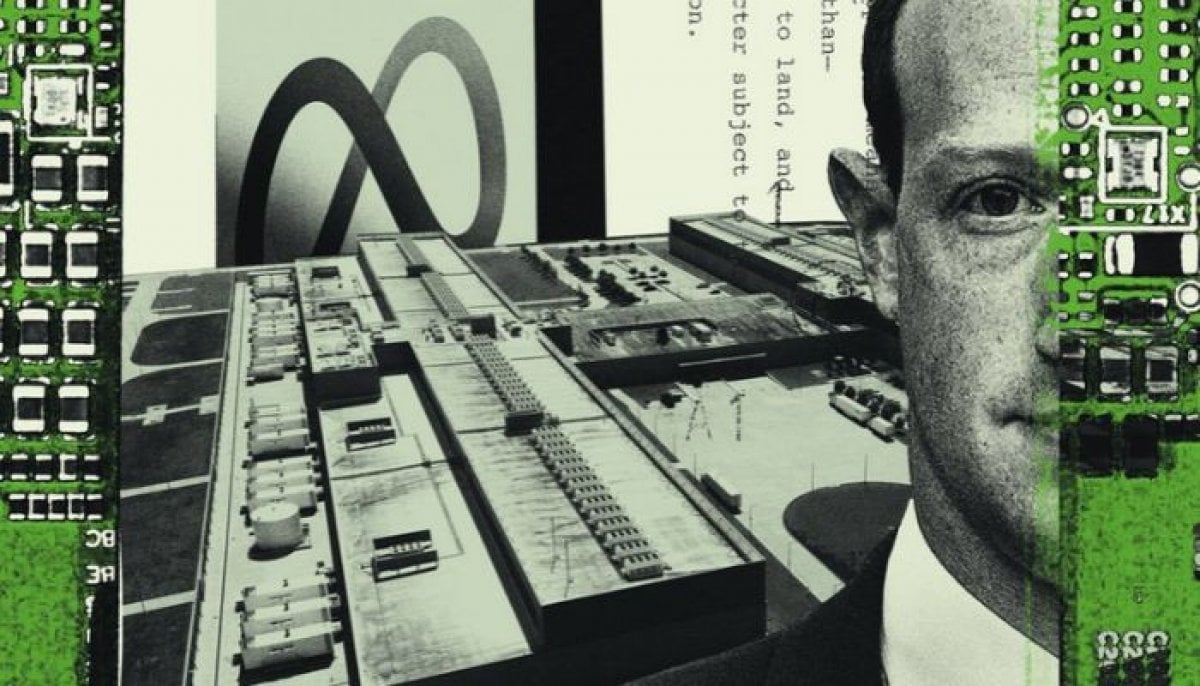 Meta’s AI data centers: What to know about its major tax strategy
 -
 Tesla’s Cybercab faces a tough test after rocky Austin debut: Here's why
 -
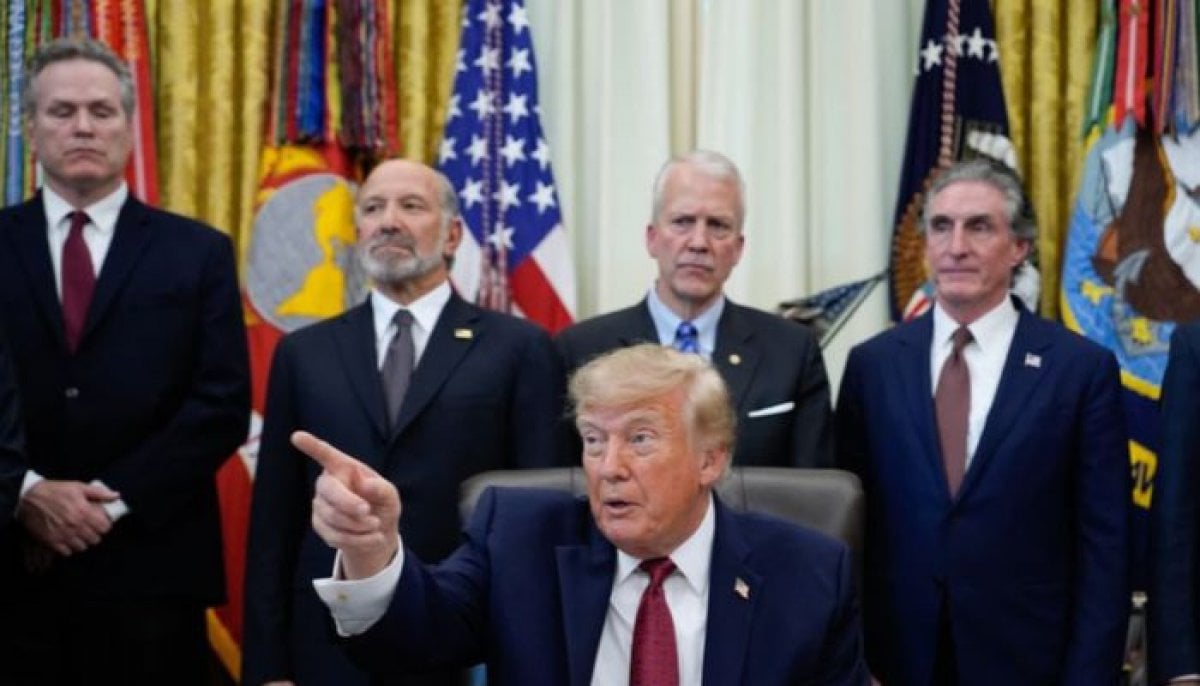 Trump pushes South Korea on Alaska LNG deal: Why Seoul is hesitant
 -
 AI boom could trigger severe market shocks, Bank of England warns
 -
 US inflation rises less than expected: What to know
 -
 OpenAI’s revenue run rate nears $70 billion: What to know
 -
 Canada’s economy records zero growth in July as key sectors decline
-
 UK diesel price hits all-time high amid Middle East supply crunch, RAC warns
 -
Meta’s Muse AI agent gets new tools for small businesses: What to know
-
China weighs allowing ByteDance, Alibaba to purchase new Nvidia RTX Pro 5500 chips
-
Why Bill Gates is calling for stronger AI rules amid growing safety concerns