
Parliamentary proceedings can’t be challenged in court, IHC told
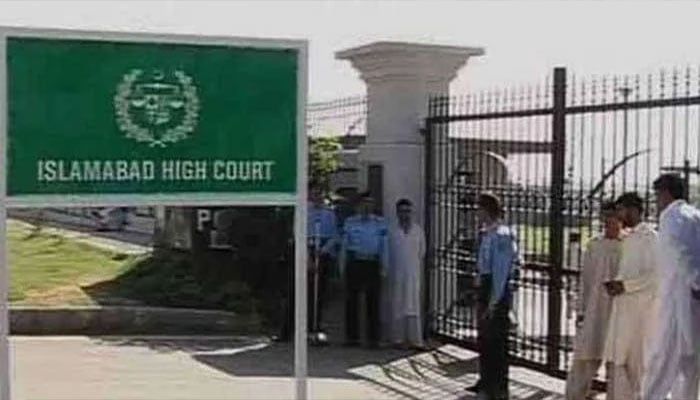
ISLAMABAD: Any decision associated with parliamentary proceedings could not be challenged in the court, Senate Chairman Sadiq Sanjrani's lawyer argued before the Islamabad High Court (IHC) in the Senate election case.
A two-judge bench comprising Justice Aamer Farooq and Justice Tariq Mehmood Jahangiri heard the plea of the Pakistan People's Party (PPP) Senator Syed Yusuf Raza Gilani who had challenged the rejection of his seven votes by the presiding officer in elections for the Senate chairman.
Barrister Ali Zafar pleaded that the powers of Parliament, its officers, committees and members could not be challenged under the law. He said only a single party had challenged the decision of the presiding officer. He said parliamentary or any of its committee's decision could only be discussed in the House.
Justice Aamer Farooq inquired the counsel that in case of any clash between the members of Parliament, either they could register a first information report (FIR) against each other. To this, Barrister Ali Zafar said an FIR could only be registered if anyone was killed in the fight.
Quoting another country's precedence of a quarrel in Parliament, he said the Parliament served a contempt notice to lawyers who challenged the parliamentary violence in the court. He said English courts also treated the parliamentary proceedings as their inner subject. The courts could not interfere directly or indirectly in the affairs of parliament, he contended. The lawyer said Pakistan's Parliament had the same privilege as the British Parliament kept.
Justice Aamer Farooq said traditions were also followed in several matters in Britain. Barrister Ali Zafar said the basic affairs here were similar to the British Parliament. His arguments were based on three points including freedom of expression, sovereignty and powers of Parliament and its members, he said, adding that the institution could not be strengthened without these basic points. He said the House had freedom of expression under Article 66(1) and it had powers to make rules for regulating its procedure and the conduct of its business under Article 67. He said neither a parliamentary matter could be challenged in any court under Article 68 of the Constitution nor the court could raise question on the parliamentary proceedings under Article 69.
The Senate chairman's lawyer said Article 66 also mentioned the privilege of parliamentary members. The 66(1) stated that the speech or vote of any member also could not be challenged in courts. The Constitution had drawn a clear line regarding the powers of Parliament and courts, he said. The court instructed the lawyer to conclude his arguments on the next hearing and adjourned the case till August 10.







-
 King Charles, Camilla To Snub Prince Harry’s America Meet-up Attempt
 -
 Zendaya Crashes Young Couple Wedding In Las Vegas
 -
 Patrick J. Adams Breaks Silence On How 'The Madison' Role Echoed Family Loss
 -
 Prince William, Kate Middleton Push Drastic Changes
 -
 Prince William Has ‘little Forgiveness’ In Heart For Prince Harry
 -
 Netflix Eyes Shock Revival Of 'The Crown' After Andrew Mountbatten Windsor Controversy
 -
 Jennifer Aniston's Beau Jim Curtis Becomes Her Guiding Light
 -
 Prince Harry, Meghan Markle Swimming Dangerous Waters With Australia Trip
 -
 Lewis Hamilton Warned Against Kim Kardashian Romance To Save Brand Name
 -
 'American Pie' Star Shannon Elizabeth Makes Rare Admission About Legacy Role
 -
 Prince William Spectates Team Wales During Rugby Match In Cardiff
 -
 Teyana Taylor Drops Cryptic Hint About What Could Happen At The Oscars
 -
 Andrew Mountbatten Windsor, Sarah Ferguson 'flagged By Intelligence Services'
 -
 Kim Kardashian Headed For Another Love Crash With Lewis Hamilton
 -
 Kris Jenner Recalls Trying To Save Kylie Jenner From 'biggest Failure' Of Life
 -
 Britney Spears Leaning On The Kardashians Post DUI Arrest