
GDP growth rate to remain negative 1.5pc this year: Hafeez Shaikh
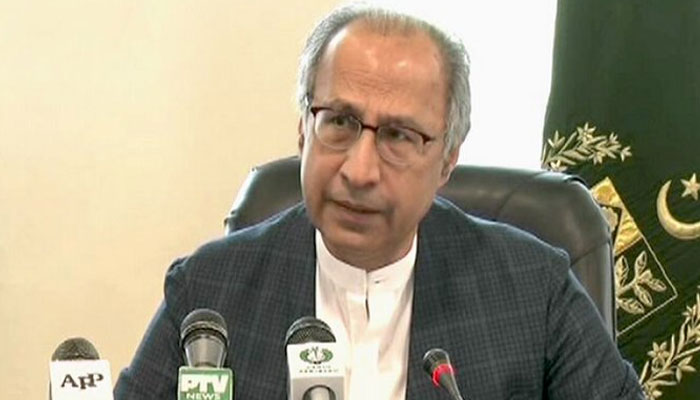
ISLAMABAD: With the current projections of negative 1.5, GDP growth rate owing to COVID-19 pandemic impact, the country’s economy would turn around to witness 2 percent growth in upcoming fiscal year (2020-21), Adviser to Prime Minister on Finance and Revenue Dr Abdul Hafeez Shaikh said on Thursday.
Participating in a Webinar on ‘Pakistan Economy: PostCOVID-19,’ organised by Institute of Chartered Accountant of Pakistan (ICAP), the adviser said that Pakistan was expecting around 3 percent growth during the current fiscal year, however it would end up negative 1 to 1.5 percent due to coronavirus impact.
However, he said when the situation improves, the GDP was expected to grow by 2 percent next year. Likewise, the adviser said that the fiscal deficit, which was projected at 9 percent this year compared to the target of 7 percent, would also be brought down next year while, the debt to GDP ratio would also be reduced.
Talking about the post COVID-19 situation, the adviser said that the International Monetary Fund (IMF) had predicted 3 percent global growth. The contraction in global economy had been affecting the country’s exports as had been witnessed in April during which the exports decline by 40 percent as compared to last April.
Likewise, unemployment was going up due to lockdown and low economic activity while the revenue collection also declined so the expenditure side was going to be affected. He said that the government had taken comprehensive measures and announced Rs1.2 trillion economic stimulus package to help businesses and vulnerable segments of the society deal with the challenges of coronavirus.
He said that IMF had been supportive of government’s stimulus package, which was introduced by the government to check contraction of economy, while the package given to construction industry would also help keep the economy activities on.
He said when the government came to power, the country was facing severe economic crisis, however efforts were made to get the country out of these crises while certain tough decisions were made which ultimately produced results.
Owing to those policies, he added, the current account deficit was reduced from $20 billion to just $3 billion. Likewise, stagnant exports started witnessing growth whereas rupee was allowed to find correct value in market. In addition, confidence was restored in global players and financial institutions after the country entered into IMF programme, which provided $6 billion whereas Asian Development Bank (ADB) and World Bank (WB) were also backing the country.


