
Better facilities sought for travelers at Torkham border
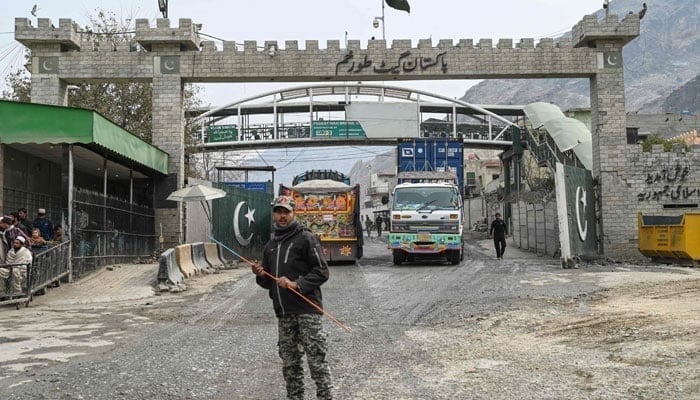
LANDIKOTAL: Travelers and traders have called for better facilities and increased staff at the Torkham border to ease the hardships faced by the public.
Talking to The News on Tuesday, they said they were forced to wait in long queues for hours in harsh weather conditions to cross the border.“We spend hours in queues under the open sky, without water or shelter. Elderly and sick people collapse in the heat, but no one listens,” complained Mirwais Mohmand, a trader from Lalpura.
The border, one of South Asia’s busiest land crossings, lacks basic facilities. Passengers complain of slow biometric systems, insufficient staff, and uncoordinated checks by multiple agencies.
Zia-ul-Haq Sarhadi, Senior Vice President of the Pak-Afghan Joint Chamber of Commerce and Industry, has long raised concerns about the state of the crossing point.“The government must establish separate lanes for cargo and passengers to avoid the current mess,” he said. “There are too few biometric scanners, and even those often break down. Proper maintenance is urgently needed.”
He stressed the importance of ensuring dignity and ease at the border, particularly for vulnerable individuals. “We need shaded, ventilated waiting halls with clean drinking water and functional toilets. Treating people with respect is not a luxury — it is a basic requirement,” Sarhadi said.
He also recommended reducing the number of government agencies involved in routine checking.“Currently, multiple departments duplicate each other’s work, creating delays and confusion. There should be a single-window operation,” he suggested.
To improve coordination and resolve issues in real time, Sarhadi proposed the formation of a joint monitoring cell between Pakistan and Afghanistan. “A bilateral mechanism can help solve ground-level problems faster and reduce tensions,” he said.
Local elder Haji Shah Nawaz of the Shinwari tribe expressed concern over the treatment of tribal passengers. “Even patients and women are made to stand in line for hours. Where is humanity?” he asked.
Students and business travelers have raised similar concerns. “I missed a university entrance interview in Jalalabad because the line at immigration took seven hours,” said Fazal Rabi, a student from Peshawar.







-
 King Charles, Camilla To Snub Prince Harry’s America Meet-up Attempt
 -
 Zendaya Crashes Young Couple Wedding In Las Vegas
 -
 Patrick J. Adams Breaks Silence On How 'The Madison' Role Echoed Family Loss
 -
 Prince William, Kate Middleton Push Drastic Changes
 -
 Prince William Has ‘little Forgiveness’ In Heart For Prince Harry
 -
 Netflix Eyes Shock Revival Of 'The Crown' After Andrew Mountbatten Windsor Controversy
 -
 Jennifer Aniston's Beau Jim Curtis Becomes Her Guiding Light
 -
 Prince Harry, Meghan Markle Swimming Dangerous Waters With Australia Trip
 -
 Lewis Hamilton Warned Against Kim Kardashian Romance To Save Brand Name
 -
 'American Pie' Star Shannon Elizabeth Makes Rare Admission About Legacy Role
 -
 Prince William Spectates Team Wales During Rugby Match In Cardiff
 -
 Teyana Taylor Drops Cryptic Hint About What Could Happen At The Oscars
 -
 Andrew Mountbatten Windsor, Sarah Ferguson 'flagged By Intelligence Services'
 -
 Kim Kardashian Headed For Another Love Crash With Lewis Hamilton
 -
 Kris Jenner Recalls Trying To Save Kylie Jenner From 'biggest Failure' Of Life
 -
 Britney Spears Leaning On The Kardashians Post DUI Arrest