
$23 billion loss — who’s responsible?
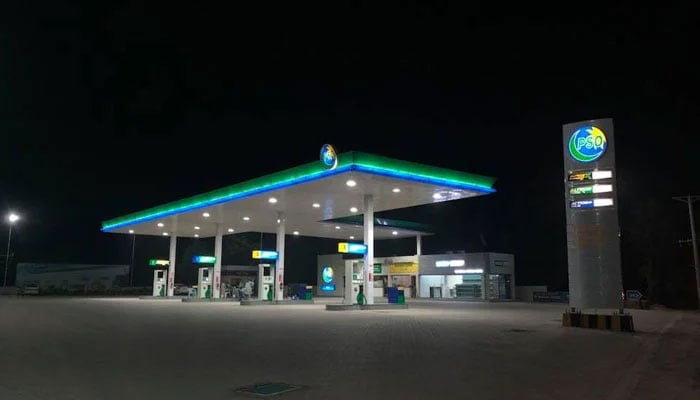
On February 10, 2016, Pakistan State Oil (PSO), representing the government of Pakistan, signed a 15-year agreement with Qatargas to purchase up to 3.75 million tonnes per annum of LNG, equivalent to approximately 60 cargoes per year or 500 million cubic feet per day (MMCFD), priced at 13.37 per cent of Brent crude oil.
At that time, Nawaz Sharif served as the prime minister of Pakistan, and Shahid Khaqan Abbasi was the minister for petroleum and natural resources. The estimated total value of the contract: $13 billion.
In February 2021, Pakistan LNG Limited (PLL), a subsidiary of Government Holdings Private Limited, finalised a supplemental LNG sale and purchase agreement with QatarEnergy for an additional 1-1.5 million tonnes per annum (MTPA) of LNG, equivalent to approximately 12-18 cargoes annually, at a pricing rate of 10.2 per cent of Brent crude oil for a 10-year term (2021-2031). At that time, Imran Khan was Pakistan’s Prime Minister, and Nadeem Babar was the special assistant to the prime minister (SAPM) on Petroleum. The estimated total value of the contract: $4 billion.
Red alert: As of July 2025, Pakistan faces a massive LNG surplus, with multiple cargoes unutilized due to inaccurate demand forecasting and poorly negotiated contracts. This misjudgment of domestic demand has led to an estimated annual financial loss of Rs100 billion for Pakistani taxpayers.
In 2015, National Power Parks Management Company Limited (NPPMCL), a government-owned entity under Pakistan’s Ministry of Energy, initiated the construction of two RLNG-based power plants: Haveli Bahadur Shah Power Plant and Balloki Power Plant, each costing $798 million. Additionally, the Punjab government invested $920 million in the Bhikki power plant, while the Nandipur power project was converted to LNG at a cost of $329 million.
Red alert: The high cost of generating electricity using LNG has rendered these plants largely idle, as their operational expenses are economically unviable. Consequently, nearly $3 billion in taxpayers funds has been squandered on infrastructure that fails to deliver its intended economic and energy benefits.
Pakistan’s energy sector is hemorrhaging taxpayers funds at an alarming rate: the electricity sector’s circular debt has skyrocketed to Rs2.7 trillion, while the gas sector’s debt has ballooned to Rs3 trillion, culminating in a staggering total of Rs5.7 trillion -- equivalent to a colossal $20 billion blackhole.
Culprit number 1: systemic inefficiencies. Culprit number 2: gross mismanagement. Systemic inefficiencies erode operational effectiveness and gross mismanagement squanders critical resources. Together, the two-systemic inefficiencies and gross mismanagement-impose a crushing burden on taxpayers, draining resources that could have powered progress and prosperity.







-
 King Charles, Camilla To Snub Prince Harry’s America Meet-up Attempt
 -
 Zendaya Crashes Young Couple Wedding In Las Vegas
 -
 Patrick J. Adams Breaks Silence On How 'The Madison' Role Echoed Family Loss
 -
 Prince William, Kate Middleton Push Drastic Changes
 -
 Prince William Has ‘little Forgiveness’ In Heart For Prince Harry
 -
 Netflix Eyes Shock Revival Of 'The Crown' After Andrew Mountbatten Windsor Controversy
 -
 Jennifer Aniston's Beau Jim Curtis Becomes Her Guiding Light
 -
 Prince Harry, Meghan Markle Swimming Dangerous Waters With Australia Trip
 -
 Lewis Hamilton Warned Against Kim Kardashian Romance To Save Brand Name
 -
 'American Pie' Star Shannon Elizabeth Makes Rare Admission About Legacy Role
 -
 Prince William Spectates Team Wales During Rugby Match In Cardiff
 -
 Teyana Taylor Drops Cryptic Hint About What Could Happen At The Oscars
 -
 Andrew Mountbatten Windsor, Sarah Ferguson 'flagged By Intelligence Services'
 -
 Kim Kardashian Headed For Another Love Crash With Lewis Hamilton
 -
 Kris Jenner Recalls Trying To Save Kylie Jenner From 'biggest Failure' Of Life
 -
 Britney Spears Leaning On The Kardashians Post DUI Arrest