
‘Islamabad Gender Parity Report’ launched
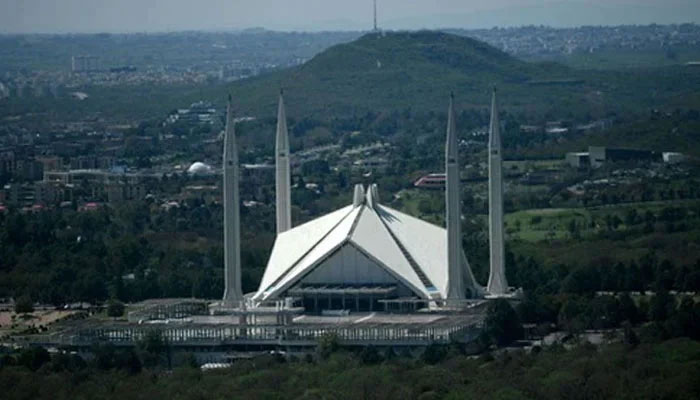
Islamabad : Women's labour force participation in Islamabad Capital Territory (ICT) remains low at 22.5 per cent, says ‘Islamabad Gender Parity Report’ launched by the National Commission on the Status of Women (NCSW), along the Ministry of Human Rights and United Nations Population Fund (UNFPA).
The report further says that girls outnumber boys in ICT public schools, but their representation declines in higher education and technical fields. It shows that the healthcare access, especially mental health and reproductive services, is alarmingly unequal in the federal capital whereas the conviction rates for violence against women remain dismally low as well.
Shedding light on the current state of gender equality in the Islamabad Capital Territory, the Islamabad Gender Parity Report provides an evidence base for policy-making and programming, highlighting systemic failures and areas for improvement.
The report is the result of extensive consultations with key stakeholders, including government ministries, provincial commissions, UN agencies, and civil society organisations. The report provides a detailed analysis of gender disparities, highlighting progress in certain areas while identifying challenges that need further attention. It covers crucial sectors like education, healthcare, economic empowerment, and political participation.
Recommendations from the report include strengthening policies and laws to promote gender equality, increasing access to education and healthcare, promoting economic empowerment by providing training, credit, and market access for women, and enhancing political participation through quotas and leadership support.
Speaking on this occasion, Ume Laila Azhar, Chairperson, NCSW, urged stakeholders to use the report as a launchpad for deeper reforms, stronger partnerships, and more inclusive governance. “Together, we can bridge the gaps and ensure that every woman and girl in Pakistan has the opportunity to thrive and contribute to the nation's progress," she said.
Senator Fauzia Arshad, Member Gender Mainstreaming Committee, while addressing the audiences remarked, that “We must not allow our daughters' dreams to shrink as they grow. It's time for collective action to break down barriers and create a society where women and girls can reach their full potential."
Humaira Zia Mufti, Secretary NCSW, said that the true measure of any society is how it treats its most marginalized. “Let us make this report not an end, but a beginning.” Mela Hidayat, Adviser UNFPA termed report a data-driven call to action.
The speakers urge all stakeholders to join hands in promoting gender equality and empowering women and girls in Pakistan.





-
 King Charles, Camilla To Snub Prince Harry’s America Meet-up Attempt
 -
 Zendaya Crashes Young Couple Wedding In Las Vegas
 -
 Patrick J. Adams Breaks Silence On How 'The Madison' Role Echoed Family Loss
 -
 Prince William, Kate Middleton Push Drastic Changes
 -
 Prince William Has ‘little Forgiveness’ In Heart For Prince Harry
 -
 Netflix Eyes Shock Revival Of 'The Crown' After Andrew Mountbatten Windsor Controversy
 -
 Jennifer Aniston's Beau Jim Curtis Becomes Her Guiding Light
 -
 Prince Harry, Meghan Markle Swimming Dangerous Waters With Australia Trip
 -
 Lewis Hamilton Warned Against Kim Kardashian Romance To Save Brand Name
 -
 'American Pie' Star Shannon Elizabeth Makes Rare Admission About Legacy Role
 -
 Prince William Spectates Team Wales During Rugby Match In Cardiff
 -
 Teyana Taylor Drops Cryptic Hint About What Could Happen At The Oscars
 -
 Andrew Mountbatten Windsor, Sarah Ferguson 'flagged By Intelligence Services'
 -
 Kim Kardashian Headed For Another Love Crash With Lewis Hamilton
 -
 Kris Jenner Recalls Trying To Save Kylie Jenner From 'biggest Failure' Of Life
 -
 Britney Spears Leaning On The Kardashians Post DUI Arrest