
Business community welcomes electricity tariff reduction
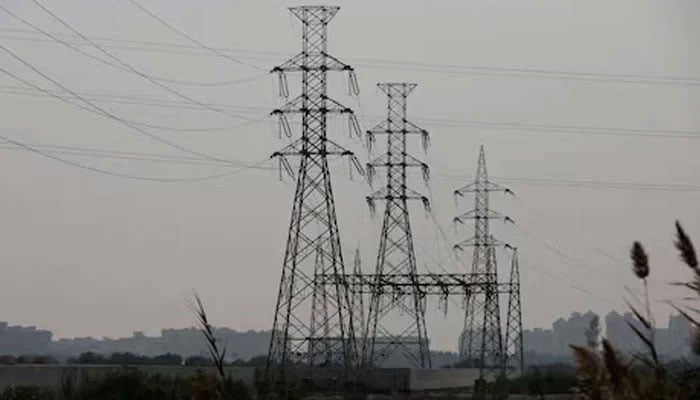
KARACHI: The business community on Thursday praised the government’s decision to cut electricity tariffs by Rs7.59 per unit for industrial consumers and Rs7.41 per unit for domestic users, calling it a crucial step in alleviating financial pressure on businesses and households struggling with high energy costs.
Chairman of the Businessmen Group (BMG) Zubair Motiwala, along with Vice Chairmen Tahir Khaliq, Anjum Nisar, and Mian Abrar Ahmed, Vice Chairman and President of the Karachi Chamber of Commerce and Industry (KCCI) Jawed Bilwani, Senior Vice President Ziaul Arfeen, and Vice President Faisal Khalil, emphasised that this long-awaited relief package comes at a critical time, easing the financial strain on industries and households burdened by soaring energy prices.
In a joint statement, BMG and KCCI leadership hailed the prime minister’s initiative as a “historic intervention”, a bold step towards providing much-needed relief to millions of households and businesses nationwide. They highlighted the wide-ranging benefits of the tariff reduction, including revitalising the industrial sector, driving economic growth, enhancing exports and fostering a more competitive business environment in Pakistan.
Commending the taskforce on the energy sector, formed by the PM, they particularly acknowledged the contributions of Federal Minister for Energy Sardar Awais Ahmed Khan Leghari and Special Assistant to the Prime Minister on Power Muhammad Ali in securing this significant relief.
Motiwala said, “We wholeheartedly commend Prime Minister Shehbaz Sharif for this landmark decision. Reducing electricity tariffs is not just a welcome relief for households and businesses, but also a vital catalyst for industrial growth. High energy costs have long hindered productivity, and this reduction will provide tangible benefits to manufacturing and exports -- key drivers of Pakistan’s economy.” KCCI President Jawed Bilwani also welcomed the tariff reduction but stressed the need for sustained government efforts to maintain affordable energy costs. “This is a step in the right direction,” Bilwani remarked. “However, the government must continue working closely with the business community to ensure long-term stability in electricity rates for industries and households.”
President of the Korangi Association of Trade and Industry (KATI) Junaid Naqi also welcomed the tariff reduction, calling it a positive step for industrial growth and cost reduction. He noted that the cut in industrial electricity rates from Rs58.5 per unit in June 2024 to Rs40.6 per unit would significantly benefit businesses. Similarly, household consumers will now pay Rs34.37 per unit, down from Rs48.70 per unit.
Naqi emphasised that lower electricity costs will ease financial pressures on industries, boost exports, and improve Pakistan’s global competitiveness. He pointed out that high energy costs had made it difficult for Pakistani industries to compete regionally, but this move would help regain a stronger international position.
In a separate statement on Thursday, the Pakistan Business Forum (PBF) welcomed the PM’s electricity relief package but said the business community had anticipated a steeper reduction of Rs12 per unit to support industrial and agricultural growth.
President of PBF Khawaja Mahboobur Rehman called the move a “positive start” but stressed the need for further cuts in the coming months. He urged the government to lower electricity rates to nine cents per kilowatt-hour to enhance Pakistan’s competitiveness in the region.
The PBF also called for the immediate removal of the PTV fee and other surcharges on electricity bills. The organisation stressed that stabilising the Pakistani rupee is crucial for boosting exports, noting that an appreciation of Rs20 against the US dollar could significantly curb inflation. The business body also welcomed relief measures for distribution companies (Discos) but warned that without investments in the national grid, Pakistan would continue to pay for stranded capacity while failing to distribute power effectively. The PBF urged authorities to prioritise technical loss reductions, curb electricity theft, improve bill recovery, transition from feeder-based to transformer-based load-shedding and implement smart grid technologies.







-
 Blake Lively Email Comes Up Ahead Of New May Trial Date In Baldoni Case
 -
 JBS Strike Ends: Why Colorado Workers Are Returning To The Plant
 -
 Royal Experts Warn King Charles, Prince William Regarding Princess Eugenie, Beatrice
 -
 Kanye West Becomes Reason For Chloe Bailey’s Online Hate
 -
 Britain Woos Anthropic After US Defence Clash
 -
 Louisiana Man Charged With Impaired Driving After Hitting Crowd Celebrating Lao New Year
 -
 Tori Spelling And Her Four Children Hospitalized Post Horrific Car Crash
 -
 Danielle Fishel Reveals One Thing She Turns To Sabrina Carpenter For
 -
 Gigi Hadid Breaks Silence On Epstein Files Mention
 -
 Sarah Ferguson Real Feelings Over New Memoir Laid Bare
 -
 Dakota Johnson And Tucker Pillsbury 'romance': When Did Their Love Story Begin?
 -
 Princess Beatrice, Princess Eugenie Drawing ‘clear Blue Water’ With Royals
 -
 Luke Combs Knew His 2016 Song Would Make Him Superstar
 -
 Prince William, Kate Middleton ‘mean Business’ As They Prepare For Kingship
 -
 Johnny Depp's Trump 'prophecy' Leaves Fans Divided
 -
 Shamed Andrew Should Go To ‘bailiffs’ Over His Blunders