
Affordable utilities
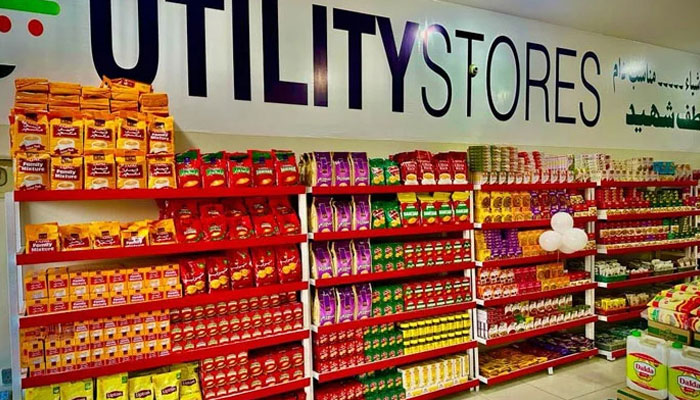
LAHORE: The government is considering shutting down utility stores, which predominantly serve rural communities. Although this plan has been under consideration for nearly a year, no viable alternative has been devised to provide affordable groceries to the poor.
The Utility Stores Corporation of Pakistan (USC) operates approximately 5,130 stores nationwide, comprising 3,982 regular stores and franchise outlets. Recently, 446 stores were closed due to low revenues and significant losses, particularly in rural areas.
Over the years, the USC has accumulated liabilities amounting to Rs15.616 billion, severely limiting its ability to pay vendors and sustain operations. The government has been exploring the closure of these stores as part of broader austerity measures to cut expenditures.
Due to bureaucratic procurement practices, USC stores have relied on government subsidies to offer discounts on essential goods. In contrast, private retailers negotiate directly with quality suppliers to secure competitive pricing and pass discounts on to consumers. Bureaucratic inefficiencies and financial constraints have hampered the USC’s ability to adopt similar practices.
A more effective approach could involve leveraging the USC’s existing network by involving the private sector to improve efficiency and sustainability. Privatising utility stores or outsourcing their operations to private entities could transform them into efficient and self-sustaining enterprises, similar to successful private-sector megastores.
Private-sector operators have the expertise to streamline operations, optimise supply chains, and negotiate better deals with suppliers. This could reduce waste, inefficiency and corruption, which are common in government-run operations. Private stores typically provide superior customer service, modern infrastructure and a broader selection of quality goods.
By adopting modern inventory management and data-driven decision-making, privatised stores could operate profitably or, at the very least, break even. Private-sector-run utility stores could secure bulk discounts from suppliers and pass the savings on to consumers. Instead of subsidising store operations, the government could provide direct financial assistance to low-income households through cash transfers or vouchers, enabling private operators to run these stores sustainably.
Privatisation need not result in mass layoffs. Existing employees could be retained and trained under the new management. However, resistance from employees and unions could arise, requiring careful negotiation and assurances regarding job security.
One challenge is the potential focus of private operators on urban centres, where profitability is higher, potentially neglecting rural areas. This could be addressed through contractual obligations or targeted incentives. Since utility stores aim to serve low-income groups, regulatory oversight would be necessary to ensure affordability and accessibility are maintained. Transparent procedures should also be adopted during the privatisation process to prevent cronyism or favouritism in awarding contracts.
In neighbouring India, the public distribution system (PDS) is primarily government-run, though certain states have partnered with private entities to enhance efficiency. Similarly, in Bangladesh, the Trading Corporation of Bangladesh (TCB) collaborates with private suppliers to procure goods, although issues such as stock mismanagement and corruption persist.
Privatising utility stores or forming public-private partnerships could modernise Pakistan’’s retail sector while safeguarding affordability for low-income households. To ensure transparency, the government should invite tenders from reputable private retailers or grocery chains to operate these stores. While maintaining ownership of the network, operations could be leased to private players under performance-based contracts.
Simultaneously, the government should implement a direct subsidy or voucher system for eligible households, similar to practices in developed countries, where retail operations are not government-run. For example, programs like food stamps in the US provide financial assistance to low-income households, enabling them to shop at private stores.
Maintaining some level of oversight and auditing would be essential to ensure quality and affordability for underserved communities.







-
 John F. Kennedy Jr.'s Ex Daryl Hannah's Pal Rosanna Arquette Slams 'Love Story' Portrayal
 -
 Bianca Censori's Plan To Expose Kanye West Revealed
 -
 Princess Diana Disliked Woman Who ‘really Understood’ King Charles
 -
 Tori Spelling Reacts To Online Rumors About Her Appearance: 'It’s Horrific'
 -
 Arnold Schwarzenegger 'in Talks' For Potential Return To Iconic ’80s Roles
 -
 Oil Crisis: Saudi Cuts Oil Output As Prices Hit Highest Since 2022; G7 Weighs Stock Release
 -
 Priyanka Chopra Jonas Explains Why She Protects Daughter Malti's Privacy
 -
 King Charles Urged To ‘upturn Weather’ On Commonwealth Day
 -
 Margot Robbie Swaps Long Blonde Tresses With New Hair At Paris Fashion Week
 -
 Shamed Andrew In Trouble As Police Launches ‘Operation Ironville’
 -
 King Charles Told To ‘do More’ After Commonwealth Day Faux Pas
 -
 'Avatar 4' Surprising Update: James Cameron Teases Fourth Instalment On The Cards
 -
 King Charles, Queen Camila Mark Commonwealth Day With William, Kate
 -
 Prince William, Kate Middleton Share Special Message On 56th Commonwealth Day
 -
 The Royal Family Dumped By Major Media House Over Andrew Mountbatten Windsor
 -
 Suki Waterhouse Gushes Over Her 'princess' On Special Day